
You May Have Missed
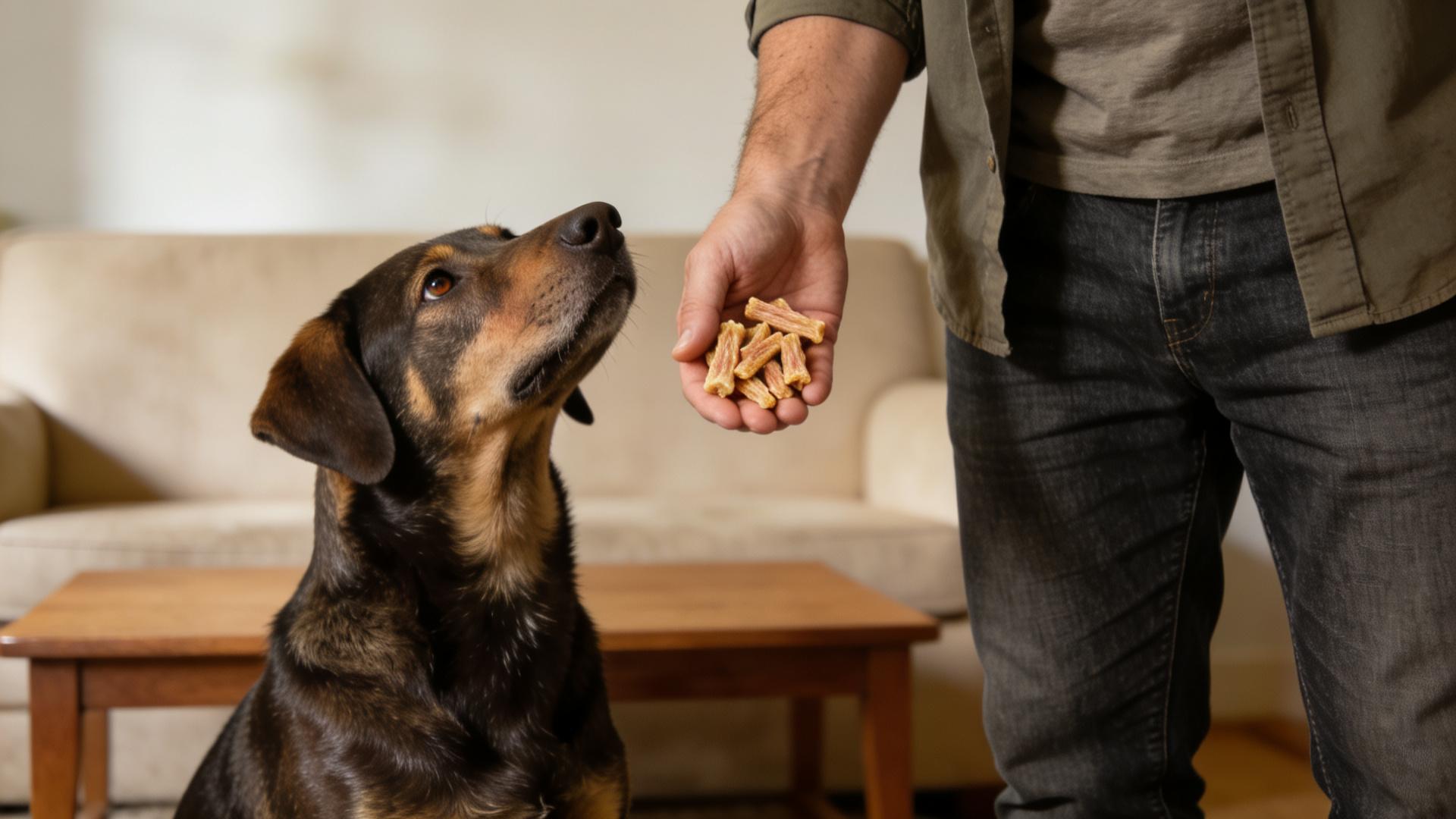
The "Stay" instruction: a step-by-step progression from 3 seconds to 3 minutes.
In the world of canine obedience training, few commands are as vital for both safety and everyday harmony as a reliable "Stay". It's the pause button that can prevent a dog from darting into traffic, the polite manners that keep them settled when guests arrive, and the foundation for more advanced skills. Yet, for many owners, the journey from a fleeting moment of stillness to a calm, prolonged stay command feels daunting. This article is your definitive guide. Our goal is to provide a clear, actionable, and stress-free training protocol that builds duration and distance gradually, transforming impatience into impeccable impulse control.

2026 Puppy Training Kit: 5 Essential Training Tools for New Parents
Bringing home your new puppy is a whirlwind of joy, cuddles, and… pure, unadulterated overwhelm. Between the excited piddles, the sharp little teeth, and the sudden midnight serenades, it’s easy for first-time pet parents to feel lost. Traditional training advice is plentiful, but the future of puppy parenting is here, blending timeless canine psychology with smart technology and innovative design. Welcome to the 2026 Puppy Training Kit, a curated collection not just of supplies, but of solutions. This guide cuts through the noise to present five essential tools designed to make your training journey more efficient, effective, and deeply connected. Let’s transform that adorable handful of chaos into a well-mannered companion with tools that empower you both.
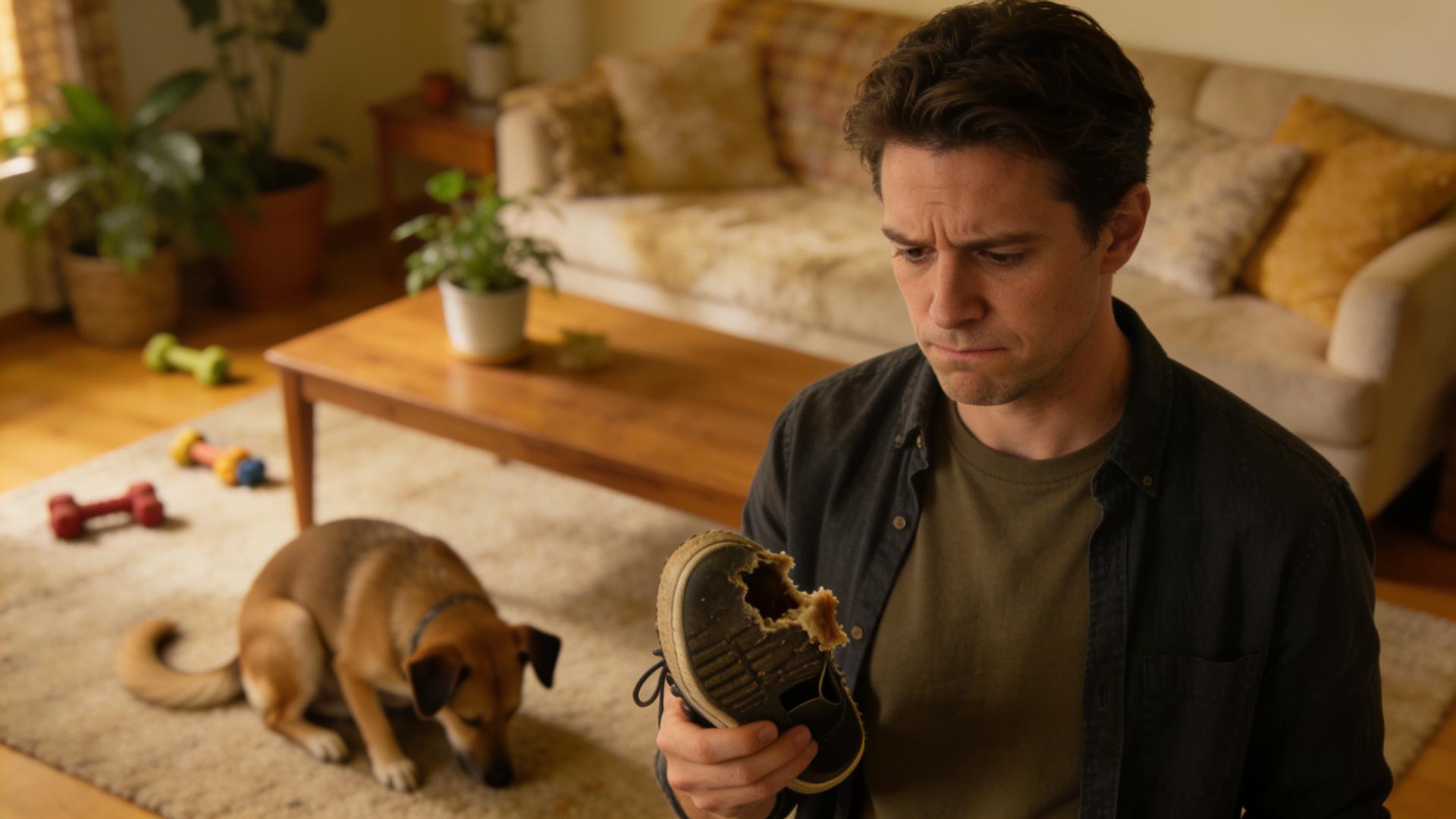
Side effects of punishment: Analyzing why corporal punishment can lead to more severe behavioral deviations
You are at the end of your rope. Your dog has chewed another shoe, barked relentlessly at a passerby, or had an accident on the rug for the third time this week. Frustration mounts, and a thought crosses your mind: "Maybe a firm physical correction is what they need to finally understand." This moment of desperation is a crossroads for countless dog owners. The intention is to stop the unwanted behavior, but the outcome is often a deeper, more complex problem. This article delves into the critical question: Why do harsh punitive methods so frequently backfire, creating more severe behavioral deviations than the original issue? We will analyze the unintended psychological consequences of punishment, providing a clear, science-based rationale for abandoning these methods in favor of ethical, effective training that builds trust instead of fear.
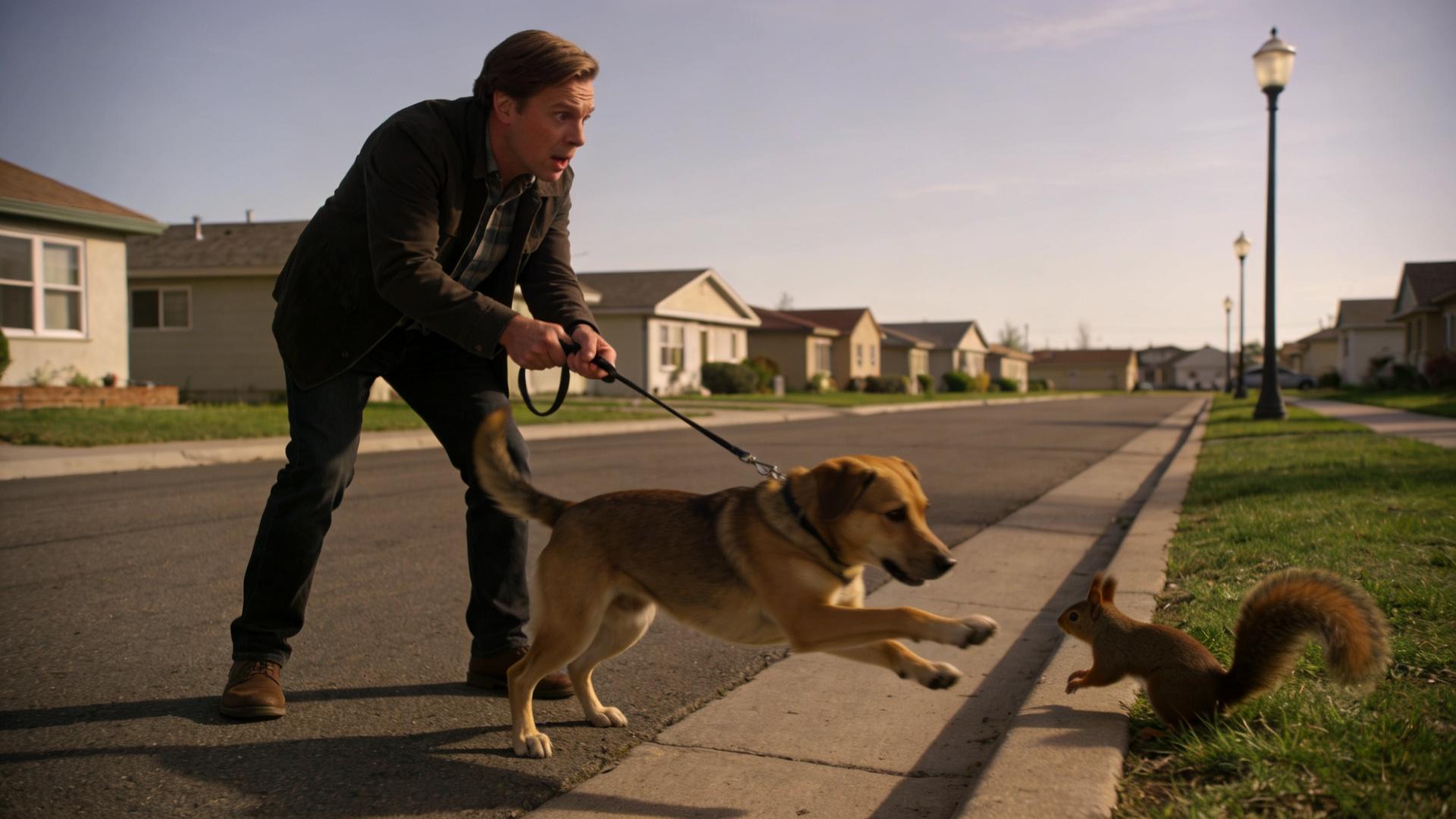
Crossing the road safety training: Do dogs also need to be aware of traffic flow?
As a dog owner, you’ve likely experienced that heart-stopping moment: your dog lunges toward the street, captivated by a squirrel or simply forging ahead without a care. It’s a stark reminder that our canine companions perceive the world—and the dangers within it—differently than we do. This brings us to a critical question: Do dogs also need to be aware of traffic flow? The unequivocal answer is yes. While a dog may never understand a green light, they can and must learn to rely on your cues and exhibit specific, life-saving behaviors near roads. Road safety for canines is not an optional advanced trick; it's a fundamental pillar of responsible pet ownership, especially in our busy urban and suburban landscapes.
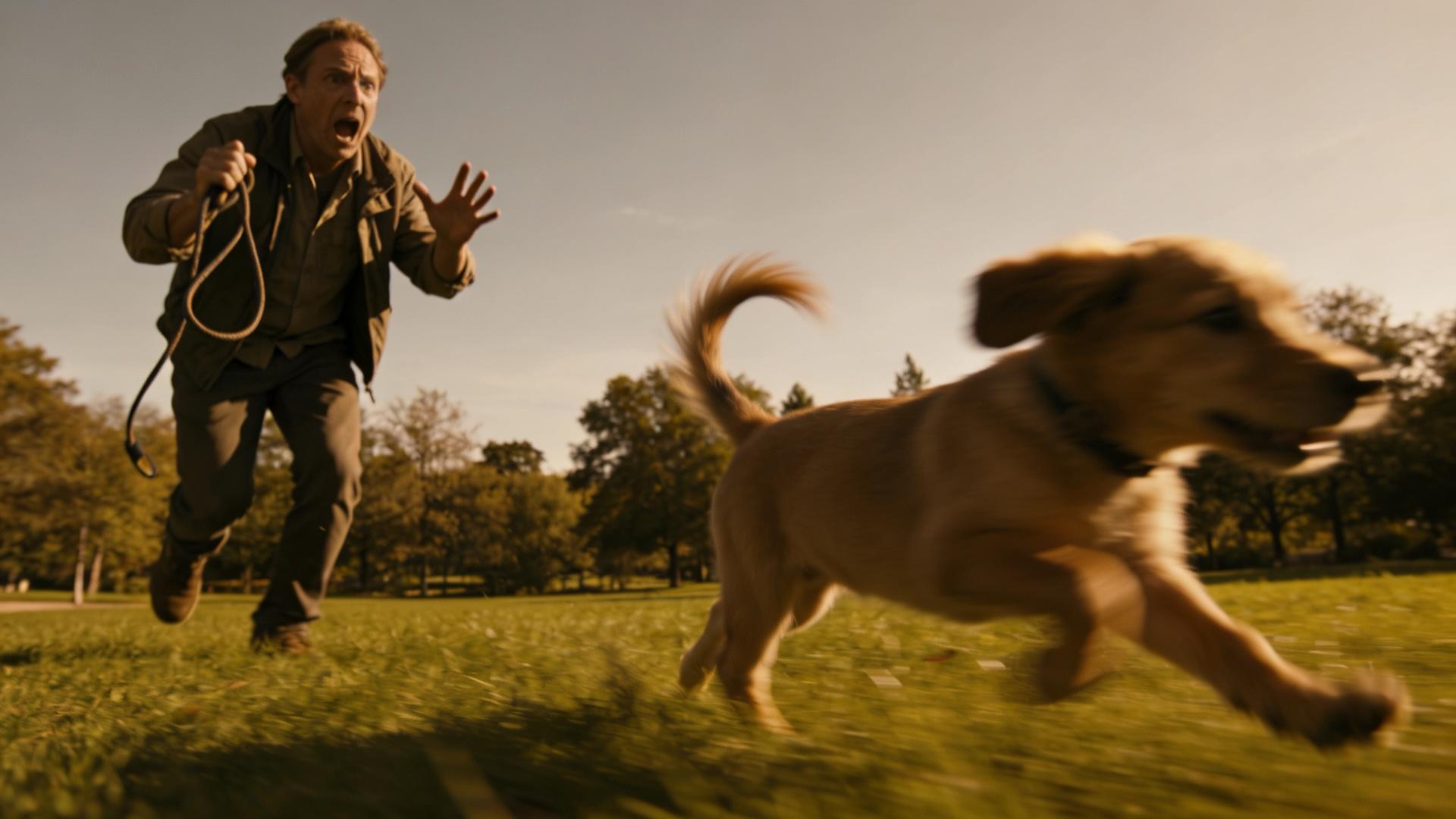
Puppy recall lesson one: Make it run to you no matter what.
Imagine this: your puppy’s leash slips from your hand at the park, or your front door swings open a moment too long. In that heartbeat, the single most important command you will ever teach your dog isn't just a trick—it's a lifesaving behavior. A reliable recall, the act of your dog coming to you instantly and joyfully, is the ultimate insurance policy. But this first lesson isn't about the word "come." It's about building an irresistible gravitational pull that makes your puppy sprint to you with unfiltered joy, every single time. We are not merely requesting an action; we are programming a reaction. This is the art and science of creating a foundation so strong that squirrels, smells, and other dogs simply can't compete. Let's begin.
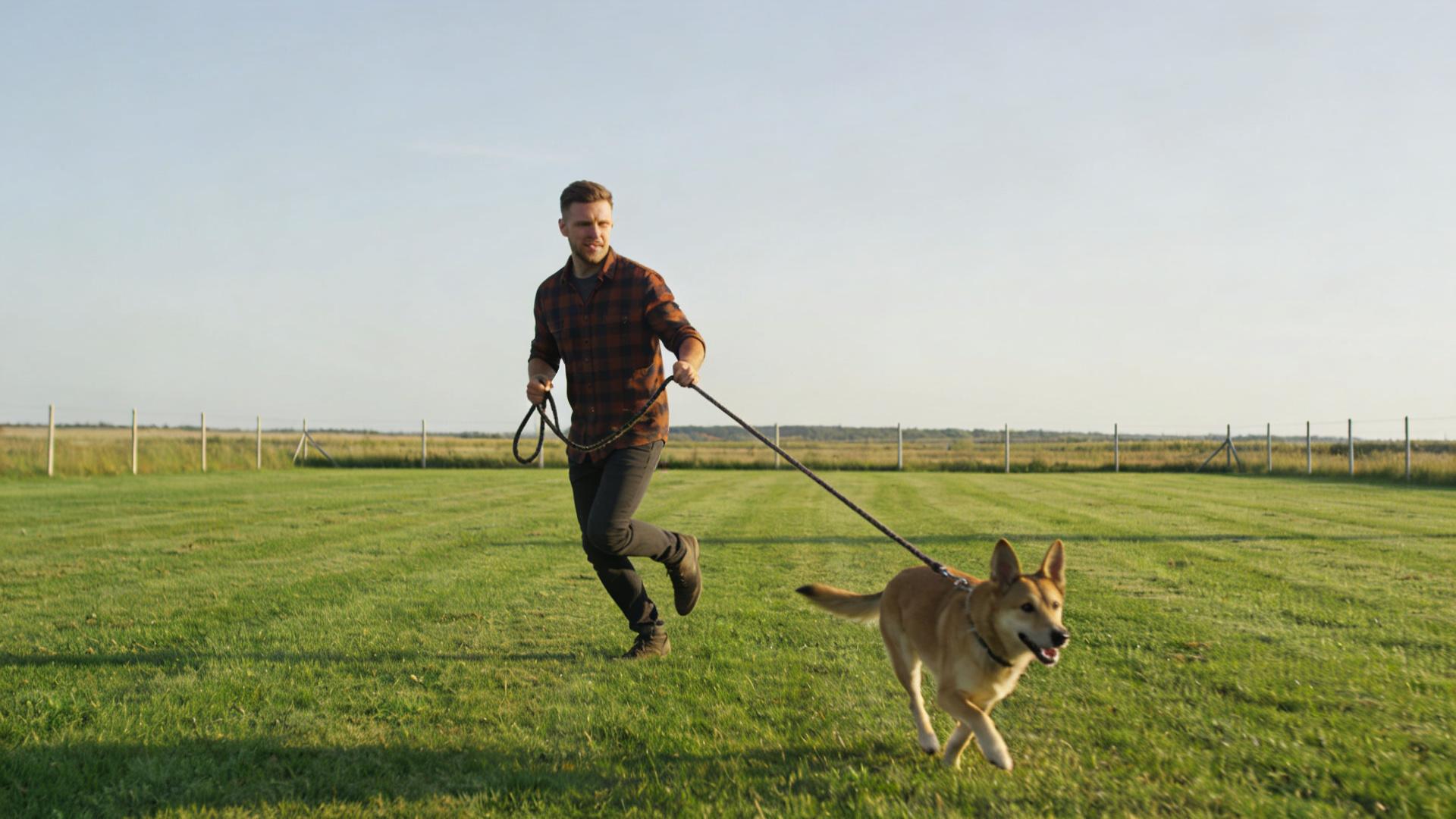
Long rope assistance: Training dogs in a semi-free state within a safe area.
Imagine your dog, joyfully bounding through a field, yet still responding instantly to your recall command. This isn't a distant dream—it's the powerful reality of long rope dog training. For countless dog owners and trainers, the leap from on-leash obedience to reliable off-leash freedom feels like a perilous cliff. The long line, or long rope, is your essential safety bridge. This comprehensive guide will walk you through transforming any secure space into a dynamic classroom for semi-free dog training, where controlled freedom builds unshakeable trust and flawless response.