
You May Have Missed
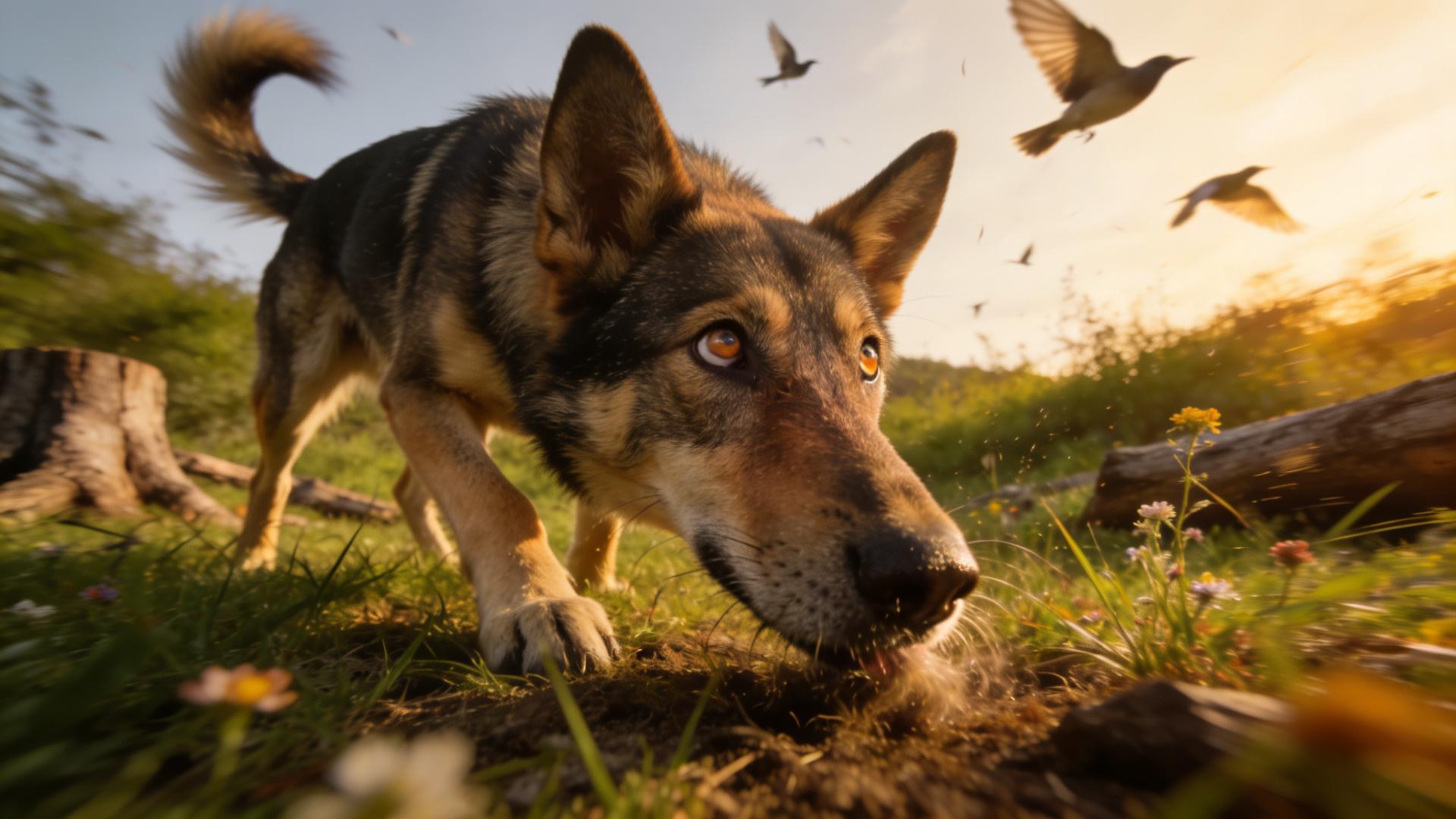
Shifting the training environment: Why is my dog obedient at home but goes crazy outside?
You’ve nailed it. Inside your living room, your dog is the picture of perfection—sitting on cue, staying calmly, and coming when called. But the moment you step outside, it’s as if a switch flips. The leash becomes a taut line of tension, commands vanish into the wind, and your well-mannered companion transforms into a pulsing, pulling, distracted whirlwind. If this scenario sounds painfully familiar, you are far from alone. This frustrating dichotomy between indoor obedience and outdoor chaos is one of the most common challenges in dog training. Understanding this training environment shift is not just about fixing a behavior; it’s about comprehending how your dog perceives the world. This article will delve into the core reasons behind this behavior and equip you with practical, proven strategies to build a reliable, well-behaved partner in any setting.
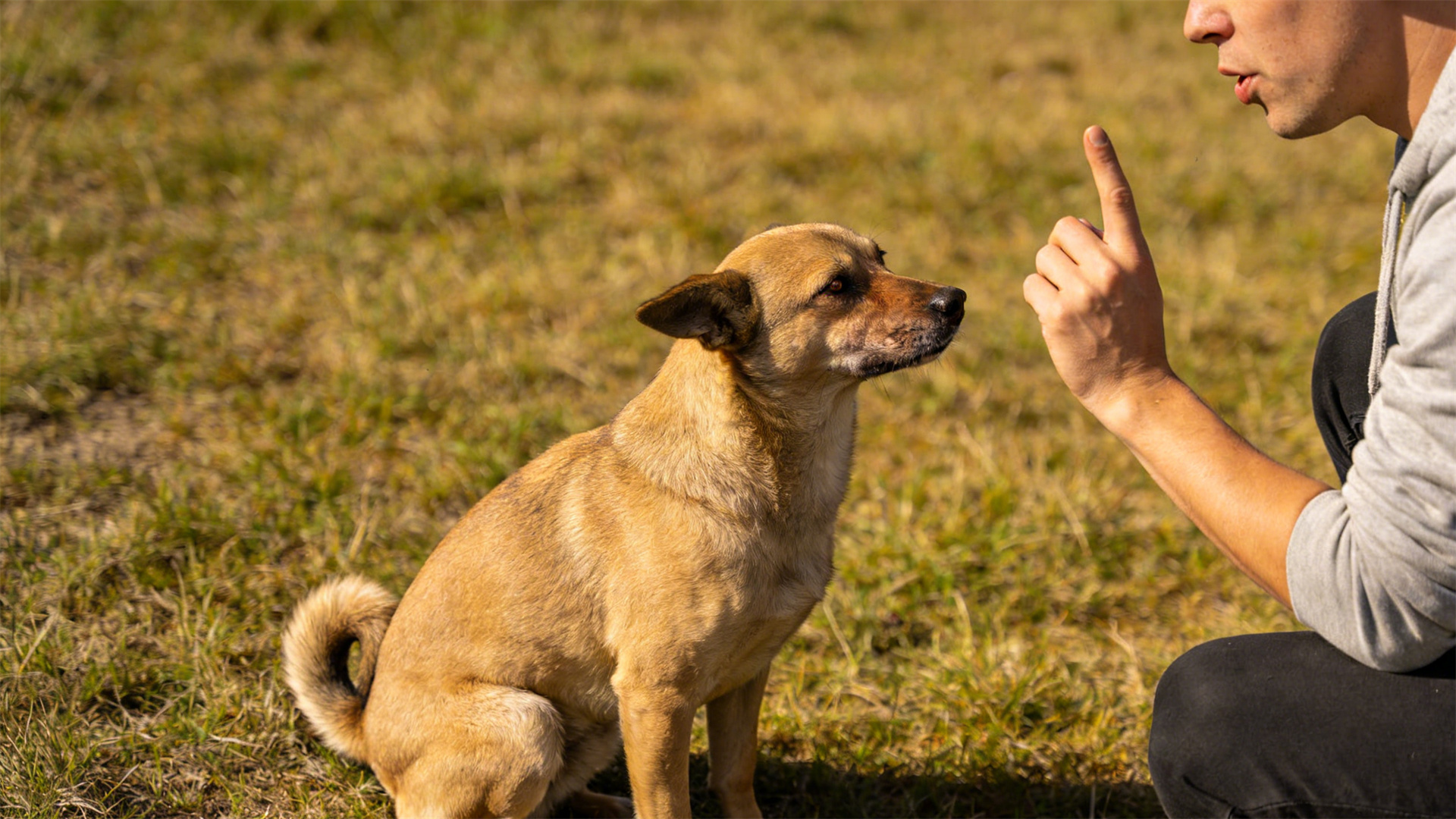
Quick Method for Establishing a Fixed Toileting Habit: How to Build a Conditioned Reflex Using Inducers and Rewards
House training. For many new dog owners, these two words conjure feelings of frustration, confusion, and the unmistakable scent of enzymatic cleaner. The cycle of guessing, accidents, and failed schedules can test the bond with your new companion. But what if the key wasn't just more frequent trips outside, but smarter communication? What if you could build a reliable, almost automatic habit in your dog? The solution lies not in scolding, but in leveraging the simple, powerful principles of behavioral psychology. This guide outlines a quick method for establishing a fixed toileting habit by constructing a clear conditioned reflex using two precise tools: the inducer and the reward. It’s a method that transforms you from a cleaner to a coach, forging a partnership built on clarity and positive reinforcement.
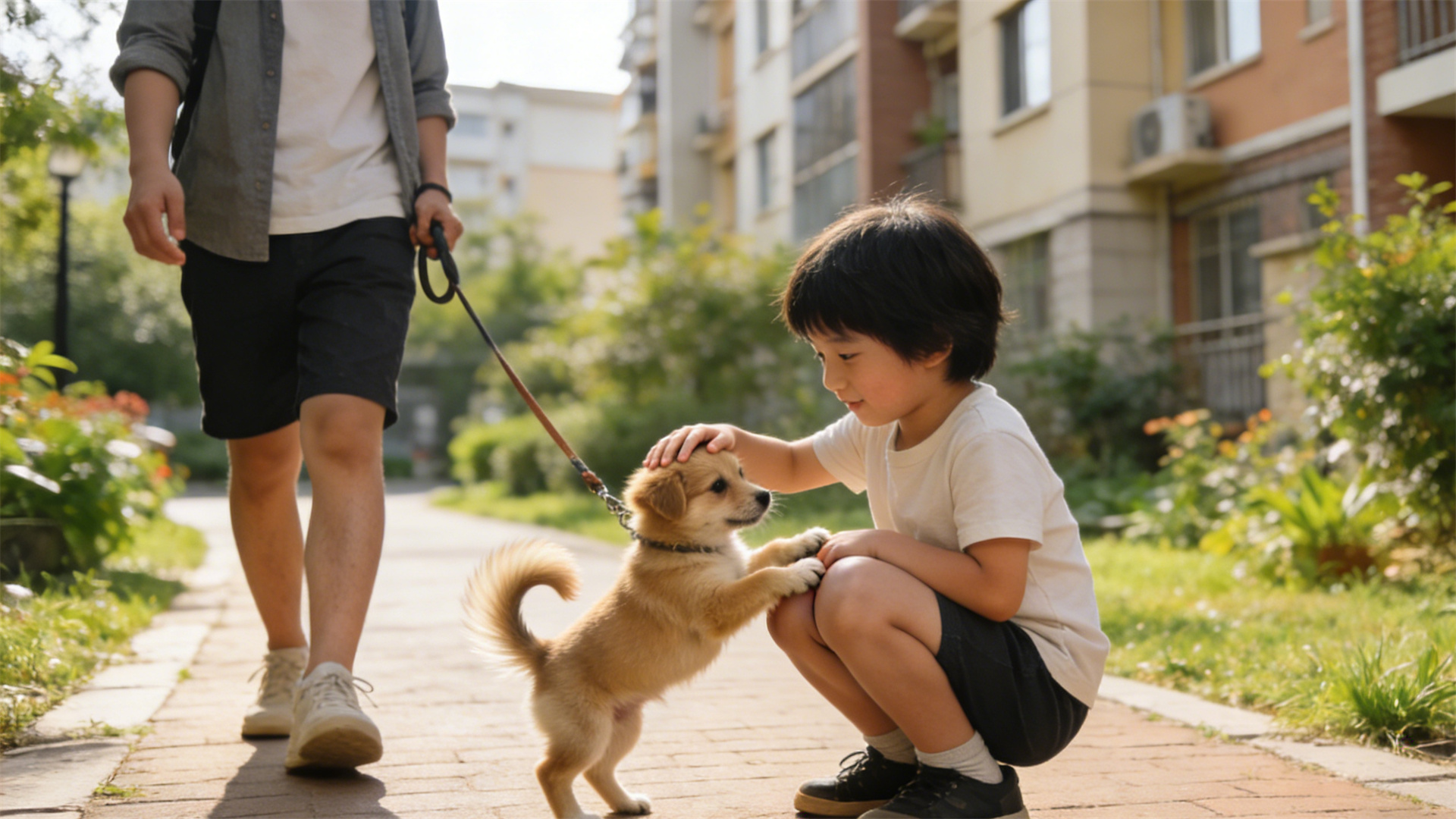
Level 1: Socialization and Order in the Cub Stage
The first few weeks with your new puppy are a whirlwind of joy, licks, and… let's be honest, a bit of chaos. In this critical period, your most important jobs aren't just cuddling and playing. They are socialization and establishing order. Think of this as Level 1 in your dog's lifelong training game. Mastering these two foundational pillars is the single greatest investment you can make in your pup's future. It builds a confident, well-mannered companion and prevents a host of behavioral issues down the line. This guide will walk you through exactly how to navigate your puppy's cub stage with purpose and positivity.
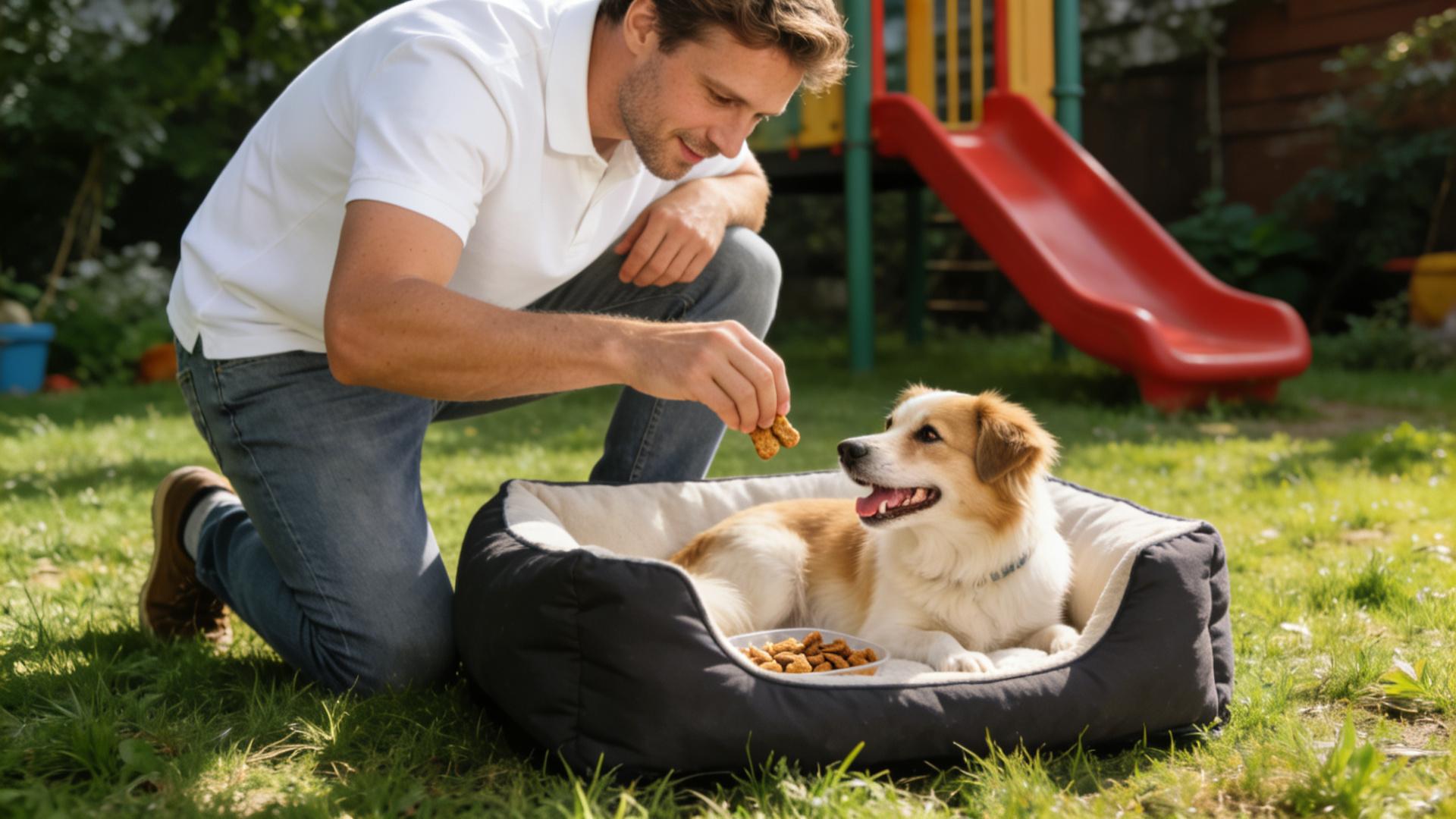
Correcting "attention-seeking" behavior: Teach your dog to go back to its kennel when guests arrive.
You’ve been looking forward to a quiet evening with friends. The doorbell rings, and instantly, your peaceful home erupts into chaos. Your dog transforms into a furry tornado of barking, jumping, and weaving between legs, desperate for pats and completely derailing any attempt at a calm greeting. If this scene feels familiar, you’re not alone. This is a classic, often frustrating, form of attention-seeking behavior in dogs.
Backward walking training: Developing a dog's hind leg muscles and spatial awareness
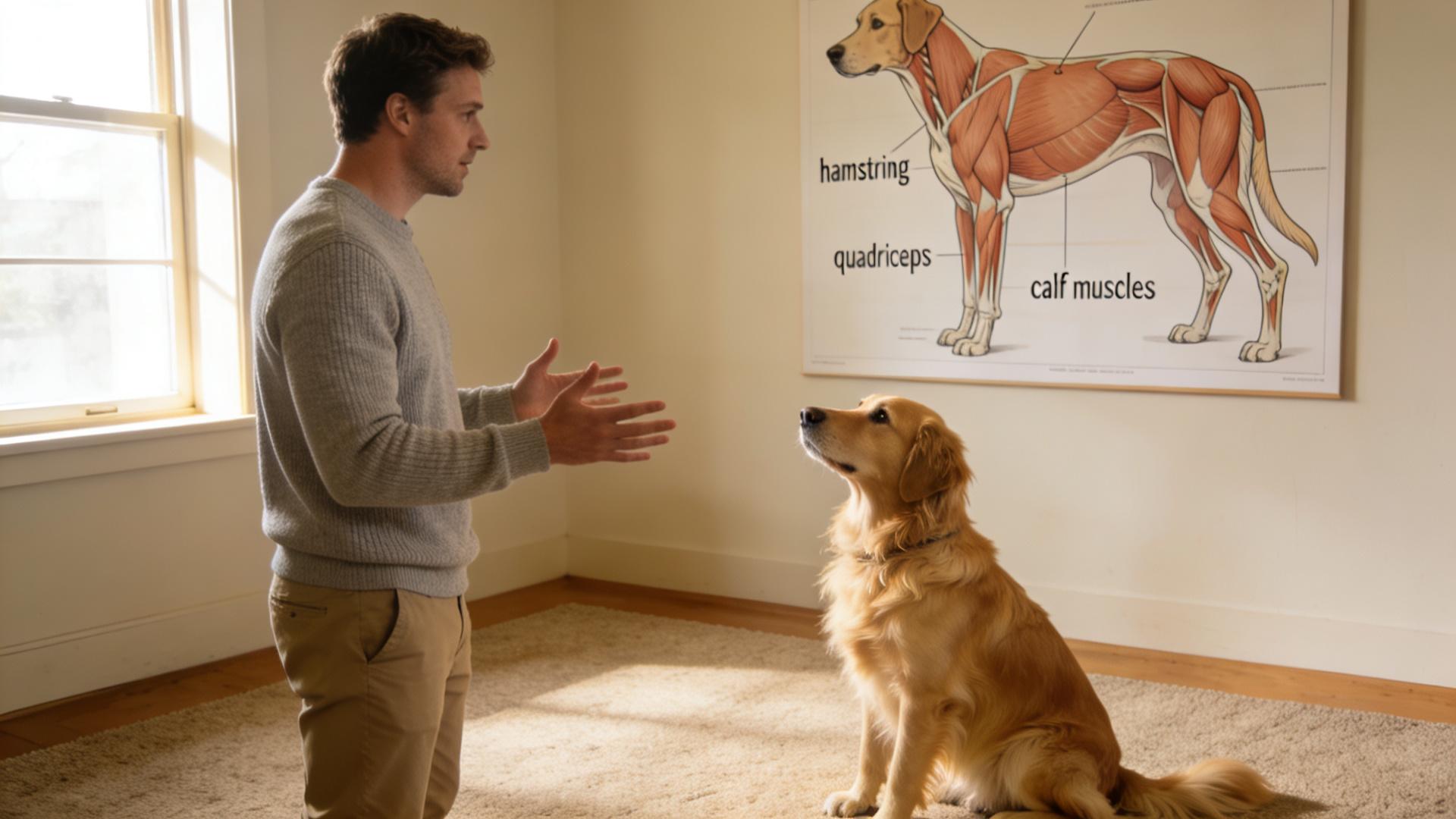
Ever watched a dog navigate a tricky obstacle course with precision, or seen a senior pup regain a spring in their step? The secret might not be in running faster, but in walking backwards. Backward walking training for dogs is an innovative exercise that goes beyond a party trick to become a cornerstone of canine fitness and cognition. This targeted movement directly builds stronger hindquarters and sharpens body awareness, offering profound benefits for sport dogs chasing agility titles, senior dogs managing mobility, and every family pet aiming for holistic wellness. By teaching your dog to walk backwards, you're engaging key muscle groups and neural pathways that foster both physical and mental agility.
Level 2: Outdoor High-Interference Resistance Training
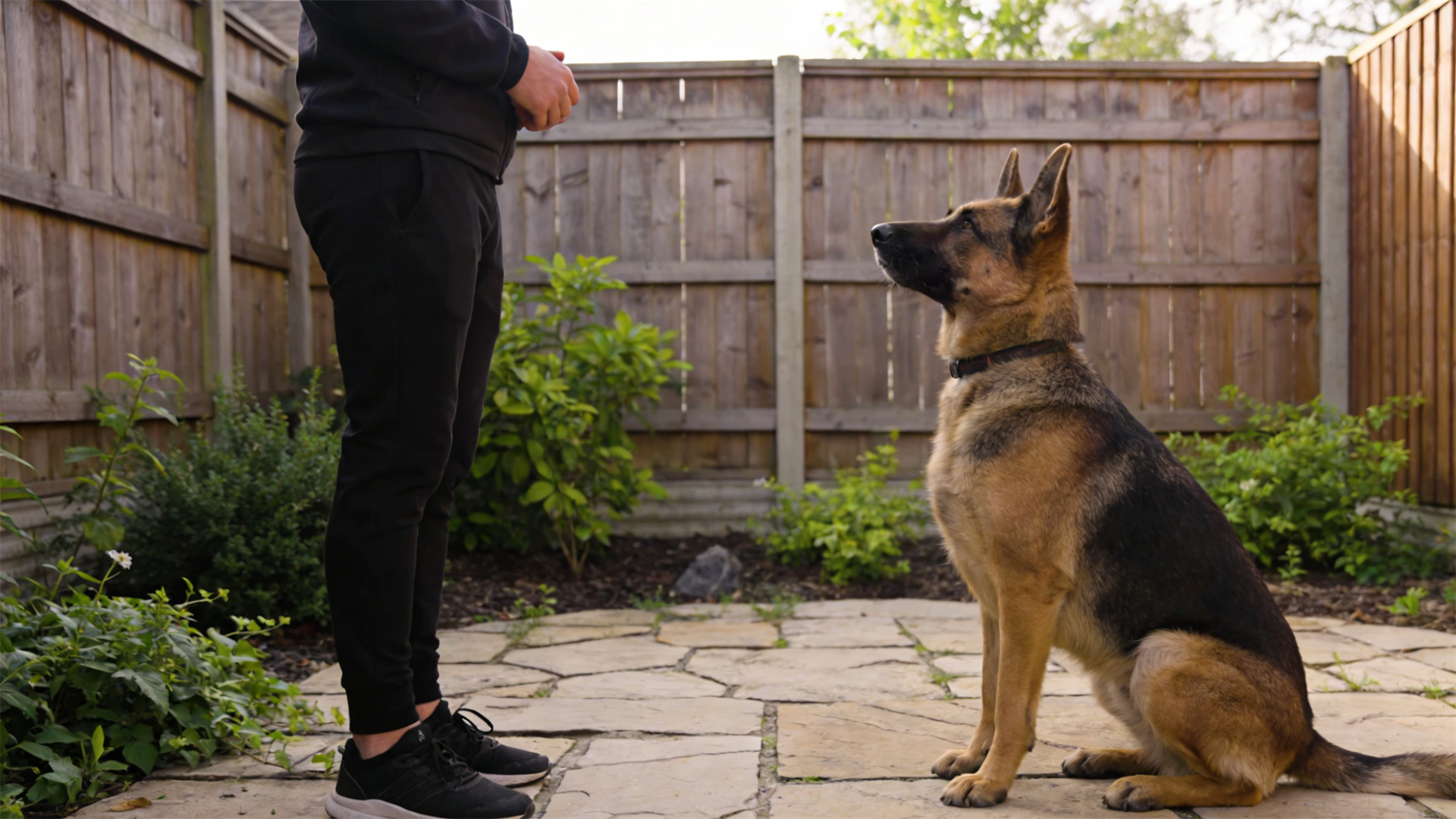
You’ve mastered the basics in your living room and backyard. Your dog is a star when it’s just the two of you. But the moment you step into the real world—a park buzzing with squirrels, joggers, and other dogs—their training seems to vanish. This gap between controlled obedience and real-world reliability is the single biggest challenge for dedicated dog owners. Closing it requires a systematic approach known as Outdoor High-Interference Resistance Training. This advanced methodology is designed to "proof" your dog's commands against the chaos of everyday life, transforming them from a pet that can listen into a partner you can always trust. This guide will provide you with the exact roadmap to achieve that unwavering focus and control.