
You May Have Missed

Dog sun protection information: How to prevent skin cancer during outdoor activities in summer?
The sun is shining, the trails are calling, and your canine companion is eagerly waiting by the door. Summer is the season for adventure, but as responsible pet parents, we often lather ourselves in sunscreen while overlooking a critical danger for our four-legged friends. The sun's powerful ultraviolet (UV) rays pose a significant threat to your dog's health, capable of causing painful sunburns and, more alarmingly, increasing the risk of developing skin cancers. Proactive, informed sun protection is not an optional extra—it's an essential component of modern, preventative canine healthcare. This comprehensive guide will equip you with the knowledge and strategies to safeguard your dog, ensuring your summer memories are filled with nothing but joy and good health.
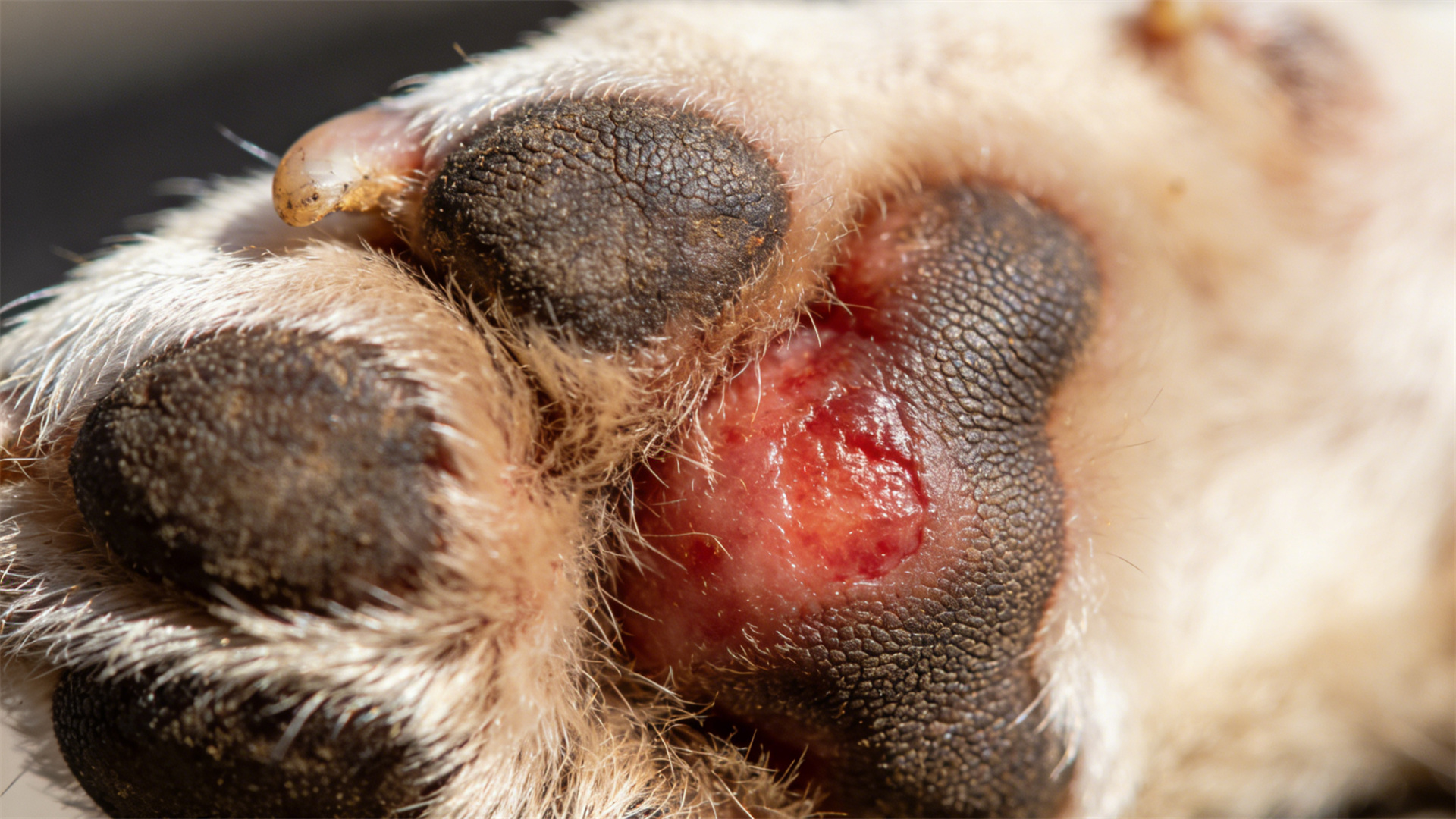
Health signals from between the toes: Thorough prevention and intervention for interdigital dermatitis
You’ve seen it a hundred times: your beloved dog curled up, intently focused on licking or chewing at their paws. It might seem like a harmless, quirky habit. But what if that persistent nibbling is a distress signal, a plea for help written in the language of discomfort? The spaces between your dog’s toes—the interdigital spaces—are more than just gaps; they are sensitive, vital health monitors. Ignoring their signals can lead your pet down a path of pain and chronic infection. This guide will empower you to become an expert in recognizing, preventing, and tackling interdigital dermatitis, one of the most common yet misunderstood canine ailments.
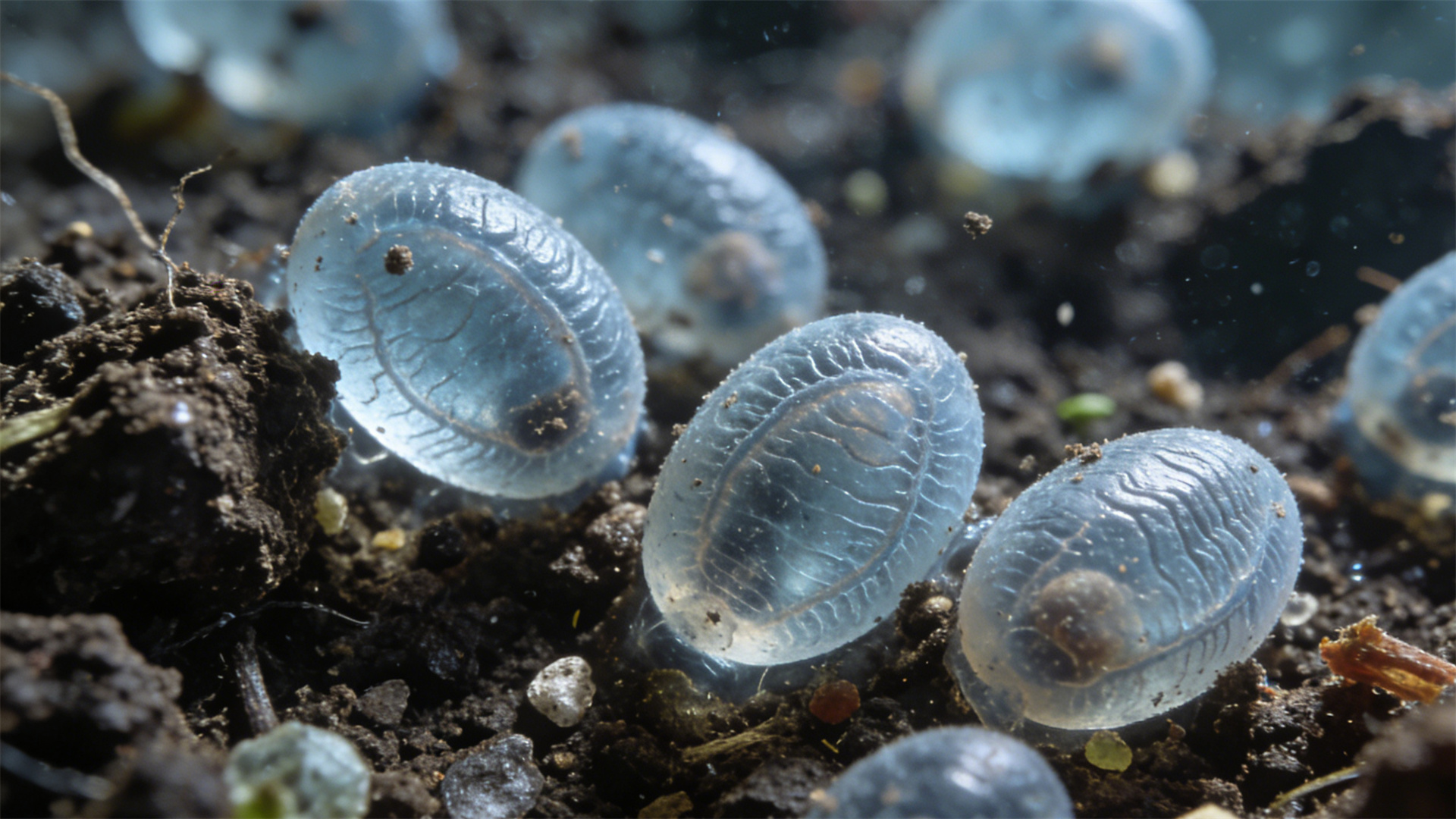
Warning about zoonotic diseases in cats and dogs: How to prevent cross-infection of parasites in multi-pet households
Welcome to your essential guide for safeguarding your furry family and yourself! If your home is blessed with the pitter-patter of both canine and feline paws, you're part of a vibrant multi-pet household. However, this wonderful coexistence comes with a heightened responsibility: managing the risk of zoonotic diseases. These are infections that can transfer from animals to humans, and parasites are often the culprits. The close quarters of a shared home create perfect conditions for parasite cross infection. But fear not—with knowledge and proactive steps, you can create a fortress of safety. This article will equip you with everything you need to know about common threats and actionable zoonosis prevention tips.

Hidden Concerns about Drinking Water Health: The Effects of Tap Water, Purified Water, and Mineral Water on Dogs' Kidneys
For the devoted dog owner, every wag, every bark, and every soulful gaze is a reminder of the profound bond we share. We meticulously choose their food, schedule their exercise, and lavish them with care. Yet, there is one fundamental, often overlooked, element coursing through every aspect of their well-being: water. It is the essence of life, comprising about 60-70% of an adult dog's body weight and playing a critical role in every cellular function. While we ensure the bowl is never empty, have we ever paused to consider what is in that bowl? This article delves into a hidden, long-term concern—the subtle but significant impact of different water types on the cornerstone of your dog's filtration system: their kidneys. We will dissect the profiles of tap water, purified water, and mineral water, moving beyond myth to provide clear, actionable guidance for safeguarding your canine companion's vitality through informed hydration.
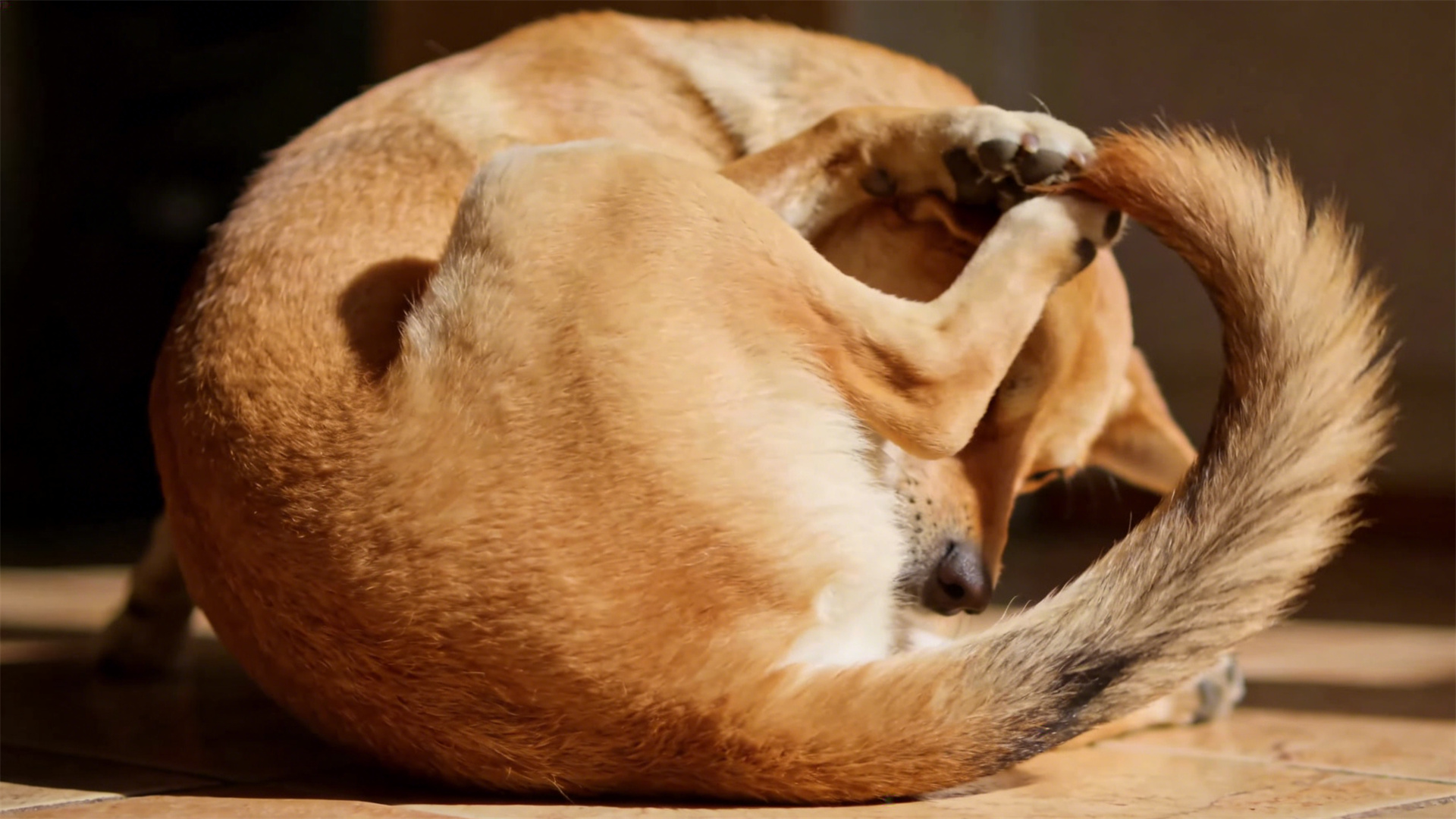
Compulsive behaviors (such as tail chasing): Is it naughtiness or brain damage?
As a dog owner, few sights are as simultaneously amusing and perplexing as watching your dog spin in frantic circles, determined to catch that elusive tail. It’s a classic canine quirk, often laughed off as a moment of goofy antics. But when the spinning becomes a daily ritual, when it intensifies to the point of exhaustion or injury, that amusement can quickly curdle into concern. Is this just a naughty phase, a silly habit? Or could it be a red flag for something more serious, like brain damage or a neurological disorder? Understanding the stark difference between playful behavior and a pathological compulsion is not just academic—it’s crucial for the long-term health and happiness of your four-legged family member.

Cognitive impairment in older dogs (CCD): How to differentiate between aging and dementia
You've noticed it. The subtle shifts. Your once-energetic companion now spends more time napping. They might hesitate at the top of the stairs or seem momentarily confused in the backyard. As a devoted dog owner, you chalk it up to "just getting old." But a nagging thought persists: Is this normal aging, or is it something more? This article is your guide. We will explore the nuanced difference between the natural slowing down of senior years and Canine Cognitive Dysfunction (CCD), a form of dog dementia. By understanding the signs, you can become your dog's best advocate and ensure their golden years are as comfortable and joyful as possible.