
You May Have Missed

Mental health monitoring
For decades, the focus of pet care was predominantly on physical health—vaccinations, nutrition, and exercise. However, a profound shift has occurred, recognizing that our canine companions possess rich emotional lives. Just like humans, dogs can experience stress, anxiety, and depression. Monitoring your dog's mental health is not a luxury; it's a critical component of responsible ownership that directly impacts their quality of life, behavior, and even physical health. This comprehensive guide will empower you, the dedicated dog owner or caregiver, with the knowledge to spot the subtle signs of distress and provide actionable, empathetic support to cultivate a happier, more balanced pet.
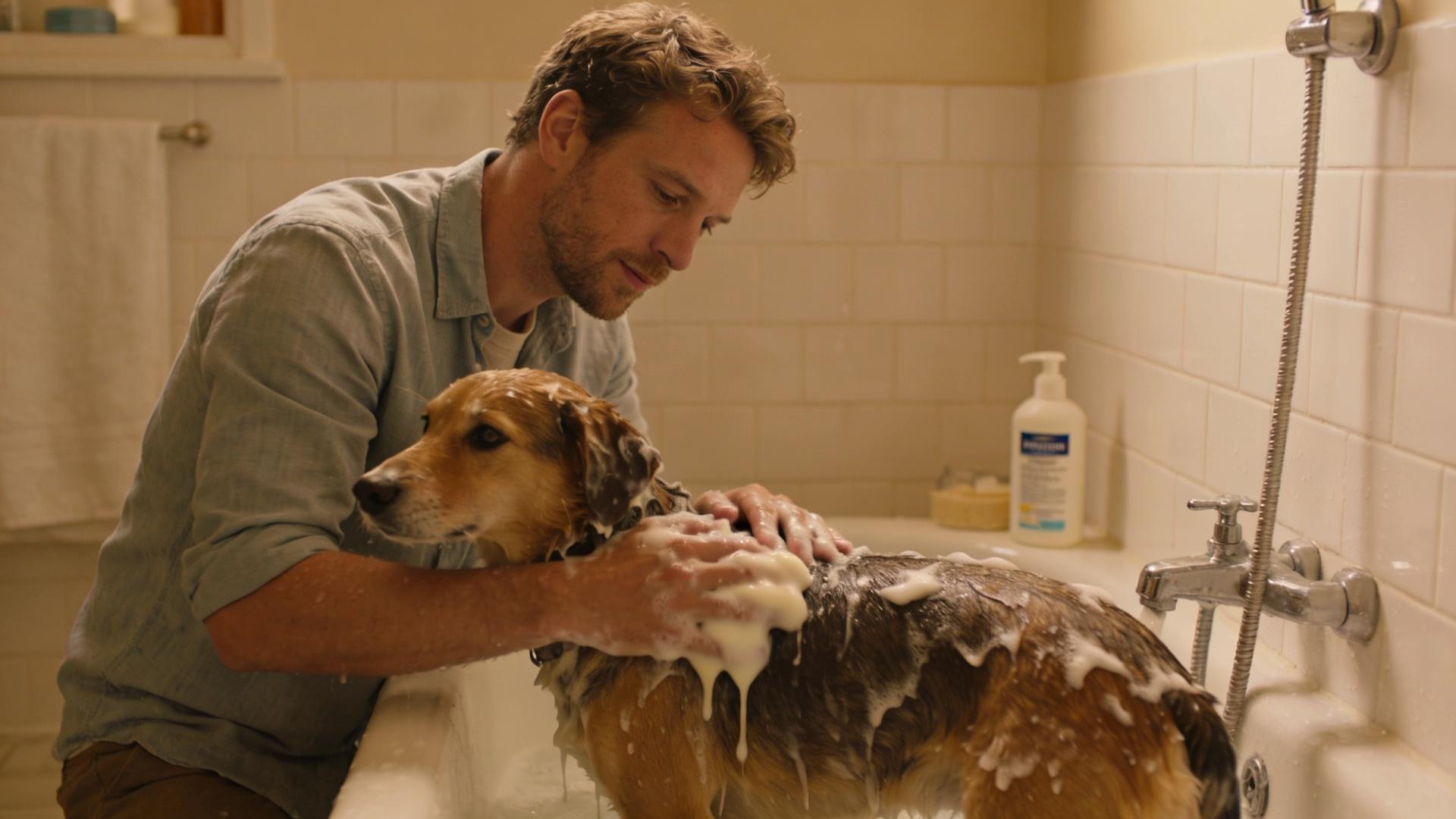
Are dog conditioners a rip-off? Scientific solutions for repairing dry, brittle fur.
As a dog parent, you want nothing but the best for your furry companion. A shiny, soft coat is often the most visible sign of a healthy dog. But when that coat turns dry, brittle, and lackluster, the search for solutions begins, often leading you to the pet care aisle and the myriad of dog conditioners. The immediate question arises: is this a genuine solution or just a clever marketing ploy? Let's dive deep into the science of canine coat health and separate fact from fiction.
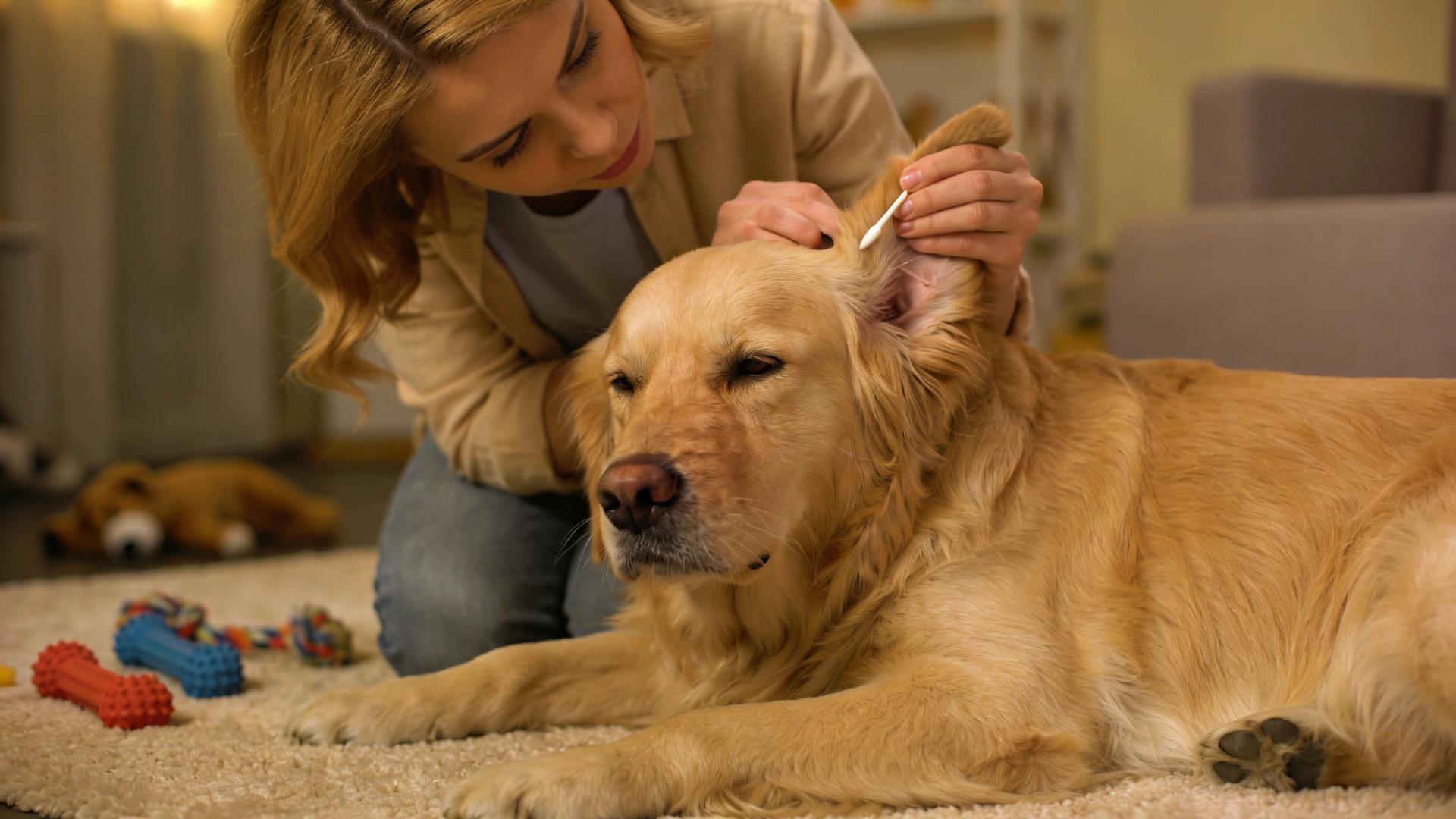
Detailed Guide to Dog Ear Cleaning: How to Properly Use Ear Cleaning Solution to Prevent Earwax Buildup
A frantic head shake, a persistent paw scratching at the side, an unusual odor you can’t quite place—if you’re a dog owner, you may have witnessed these signs. What’s often dismissed as a quirky habit can be a cry for help from your dog’s delicate ears. Canine ear health is a pillar of overall wellness, yet it's frequently overlooked until a problem arises. This comprehensive guide is your definitive resource on dog ear cleaning, demystifying the process and empowering you to confidently use an ear cleaning solution for dogs to prevent earwax buildup and more serious issues. We'll walk you through anatomy, product selection, a fail-safe step-by-step tutorial, and critical safety tips to transform a potentially stressful task into a simple, routine act of care.

Rainy Season Moisture Control Guide: How to Keep Your Dog's Bed and Mat Dry and Mold-Free
The pitter-patter of rain might be soothing, but for dog owners, the wet season brings a silent, sneaky challenge: the battle against a damp, musty dog bed. That cozy nest your furry friend loves can quickly become a haven for mold, mildew, and harmful bacteria. This isn't just about a smelly inconvenience; it's a direct threat to your dog's health, potentially leading to skin infections, allergic reactions, and respiratory issues. The core objective of this guide is simple: to arm you with a practical, step-by-step strategy to win this battle. We'll transform you from a reactive cleaner into a proactive protector of your pet's sleeping environment, ensuring their sanctuary stays dry, fresh, and healthy, no matter how high the humidity climbs. Let's dive into the ultimate playbook for mastering the art of how to keep dog bed dry.
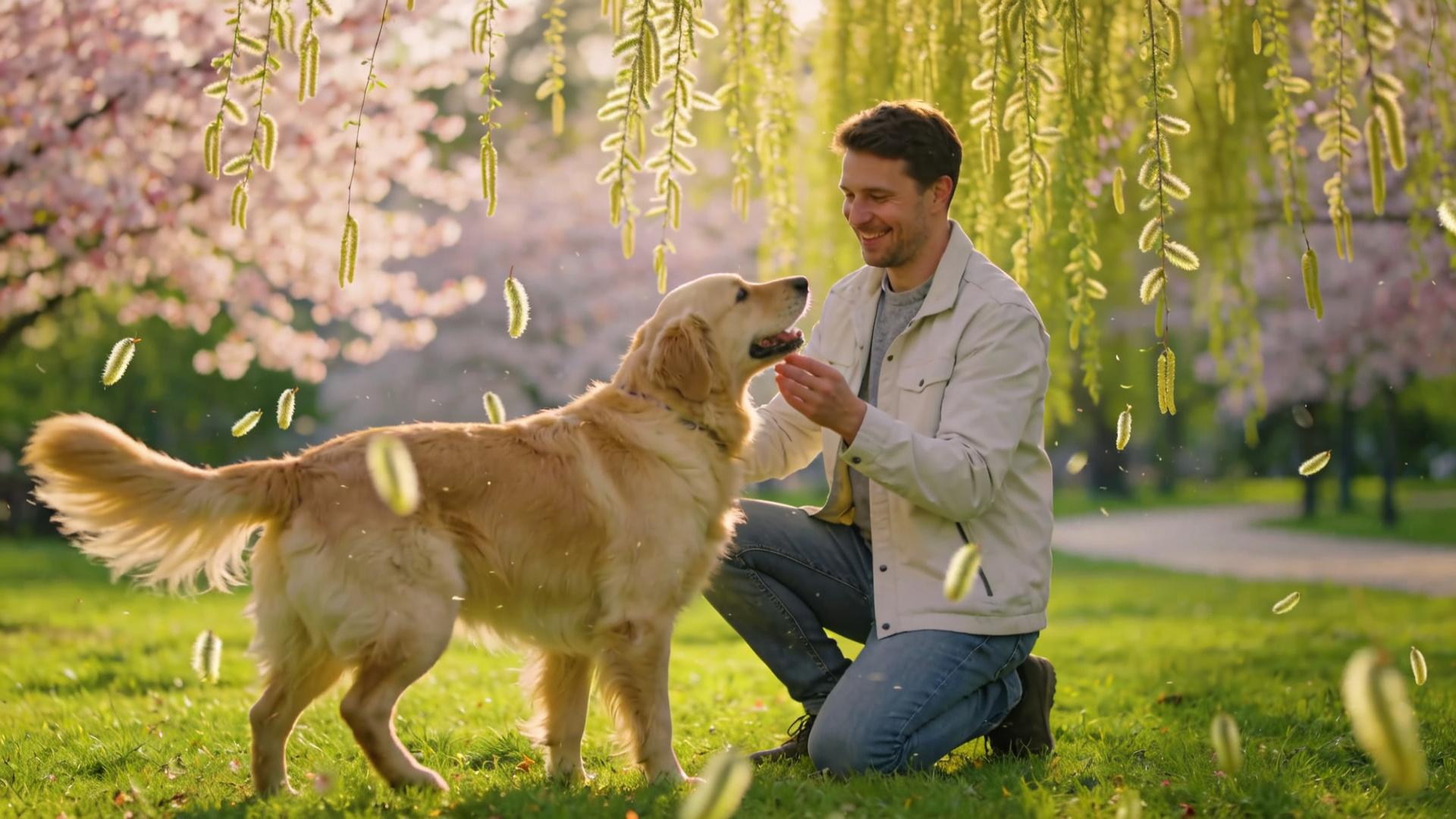
Springtime willow catkin allergy season: Is it okay to put a mask on your dog?
Spring is a symphony of rebirth—blooming flowers, longer days, and a sense of renewal. However, for countless dogs and their owners, this season also heralds the arrival of a delicate, floating nuisance: willow catkins. These fluffy seed pods, while picturesque, can turn into a cloud of allergens, triggering a range of uncomfortable symptoms in our canine companions. As a pet parent, seeing your dog sneeze incessantly or scratch relentlessly can be heart-wrenching. In the search for solutions, a question has emerged in parks and online forums alike: “Can I put a mask on my dog?” This article, crafted from a dual lens of canine health expertise, will provide a comprehensive, nuanced guide to navigating this seasonal challenge. We’ll explore the science, weigh the practicalities, and outline a holistic management plan to ensure your dog enjoys the spring safely and comfortably.
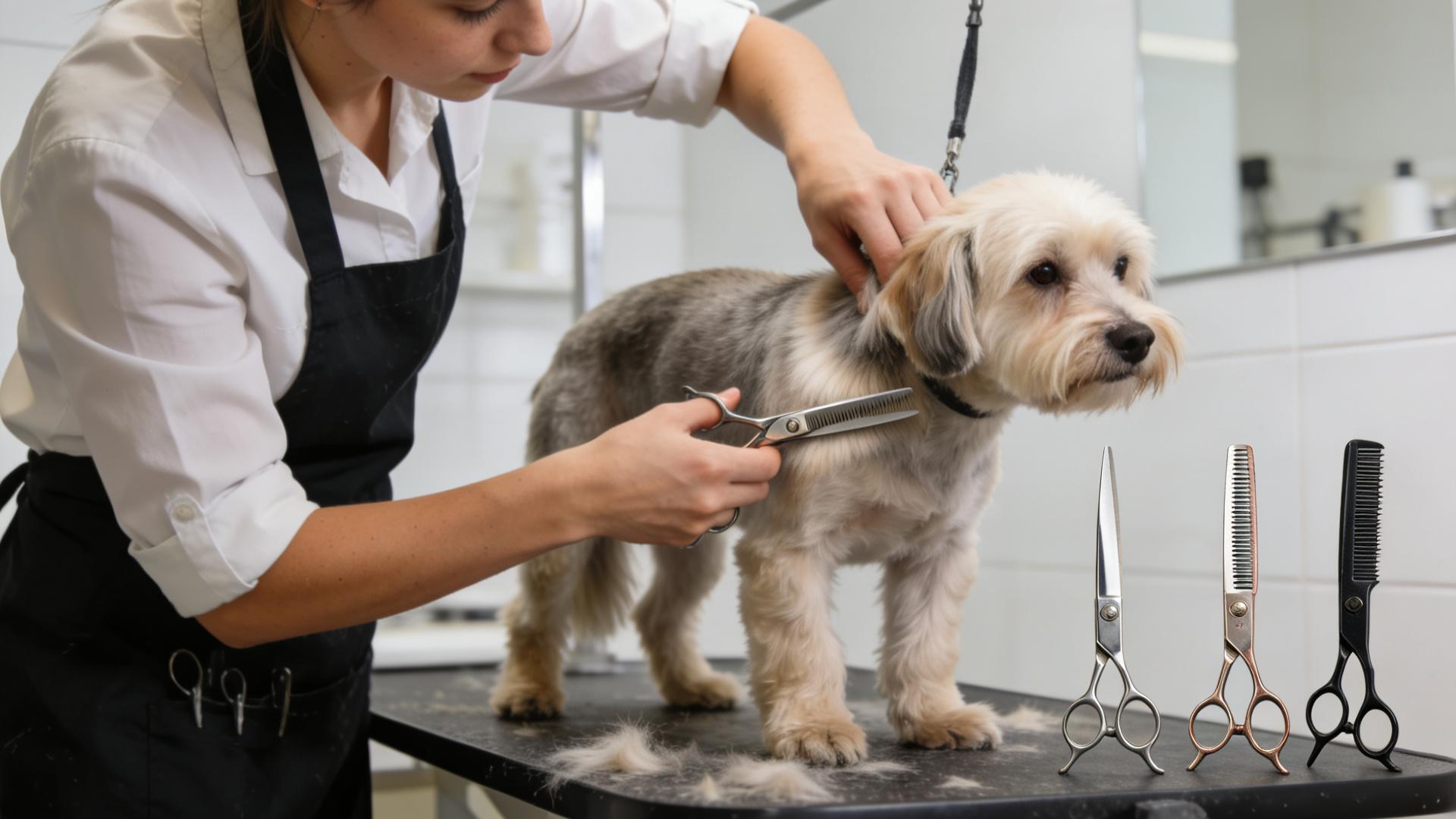
Dog grooming scissors buying guide: Differences in usage between straight scissors, thinning scissors, and backspinning scissors.
Every professional groomer and dedicated pet parent knows that the secret to a flawless dog haircut lies not just in skill, but in the tools. Among the most critical instruments in your arsenal are grooming scissors. Using the wrong type can lead to a choppy, uneven, or even uncomfortable result for your pup. This comprehensive guide will dissect the three essential types—straight, thinning, and backspinning scissors—demystifying their distinct purposes and techniques. By understanding their differences, you can transform your grooming results from amateur to artisan, ensuring both safety and style for your canine companion.