
You May Have Missed
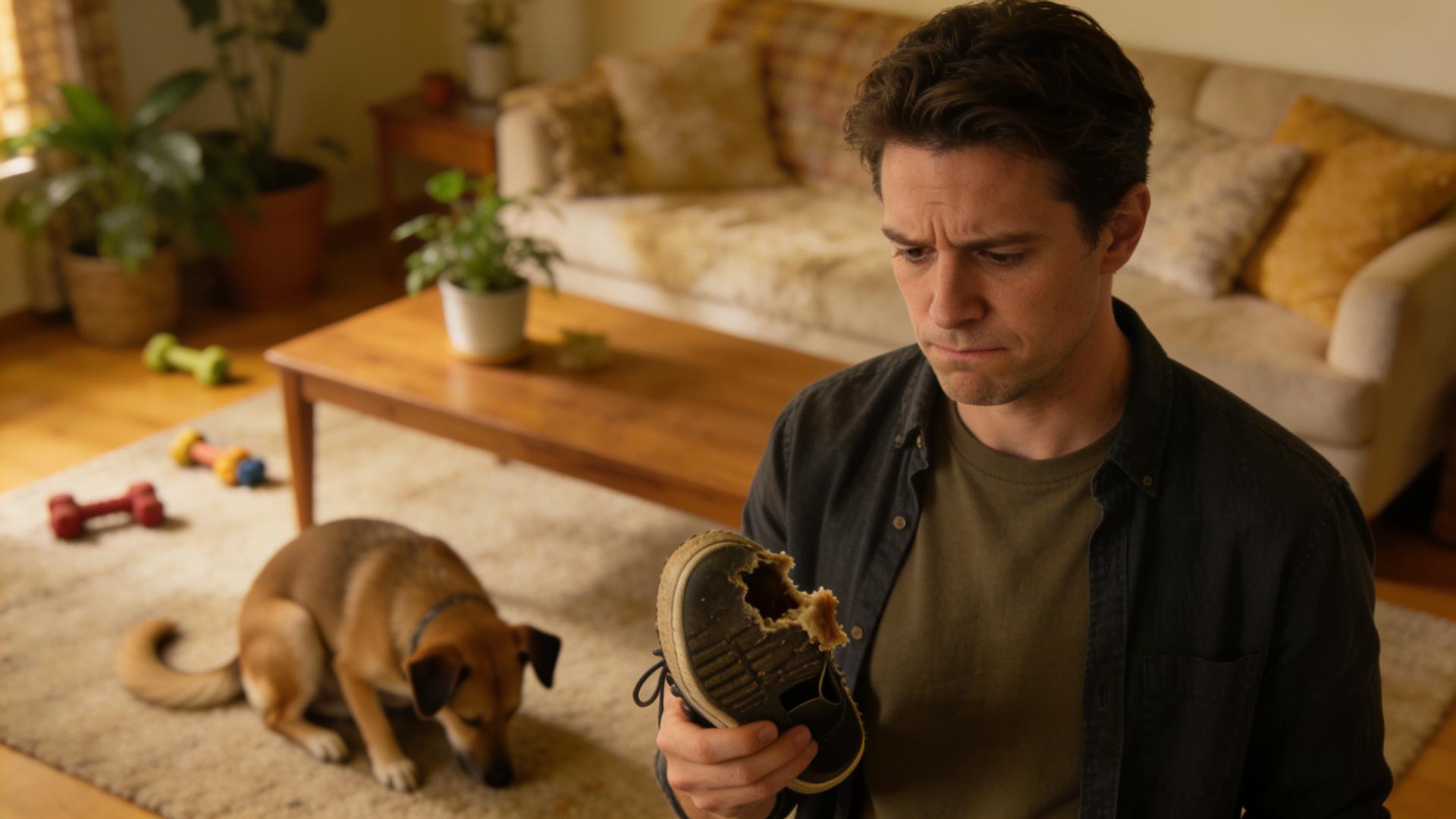
Side effects of punishment: Analyzing why corporal punishment can lead to more severe behavioral deviations
You are at the end of your rope. Your dog has chewed another shoe, barked relentlessly at a passerby, or had an accident on the rug for the third time this week. Frustration mounts, and a thought crosses your mind: "Maybe a firm physical correction is what they need to finally understand." This moment of desperation is a crossroads for countless dog owners. The intention is to stop the unwanted behavior, but the outcome is often a deeper, more complex problem. This article delves into the critical question: Why do harsh punitive methods so frequently backfire, creating more severe behavioral deviations than the original issue? We will analyze the unintended psychological consequences of punishment, providing a clear, science-based rationale for abandoning these methods in favor of ethical, effective training that builds trust instead of fear.
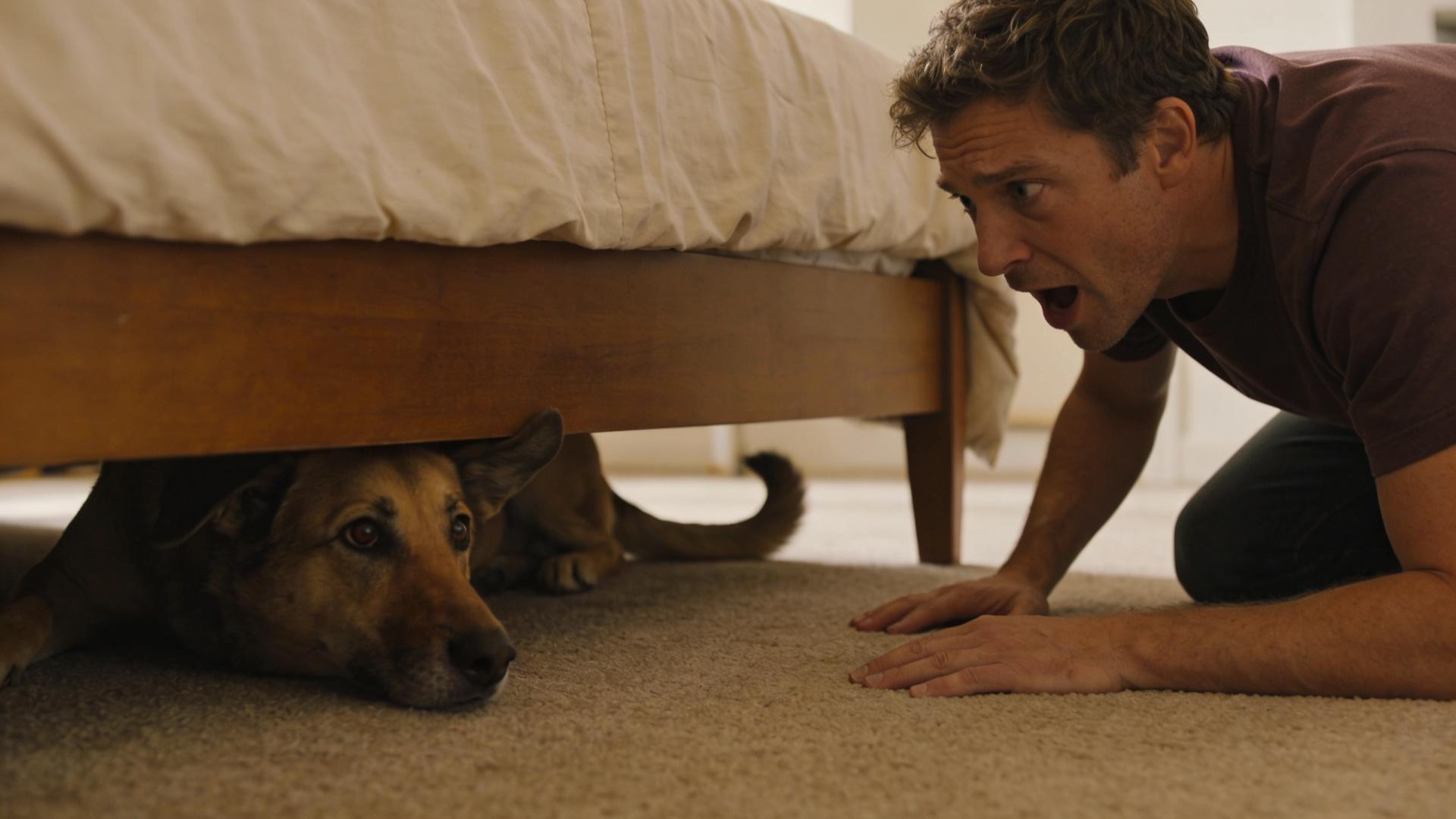
Happy Bath Training: Techniques to Make Your Dog Love Playing in Water and Blow-drying
Does your dog dive under the bed at the mere mention of a bath? You're not alone! But what if bath time could be filled with wagging tails and happy splashes? Welcome to the world of happy bath training—a systematic, positive approach designed to transform grooming from a stressful ordeal into a fun, trust-building activity. This comprehensive guide will equip you with proven techniques to help your dog not only tolerate but genuinely enjoy water and blow-drying. Embracing happy bath time is a game-changer for your dog's health and your peace of mind. Let's turn that fear into fun! 🐾
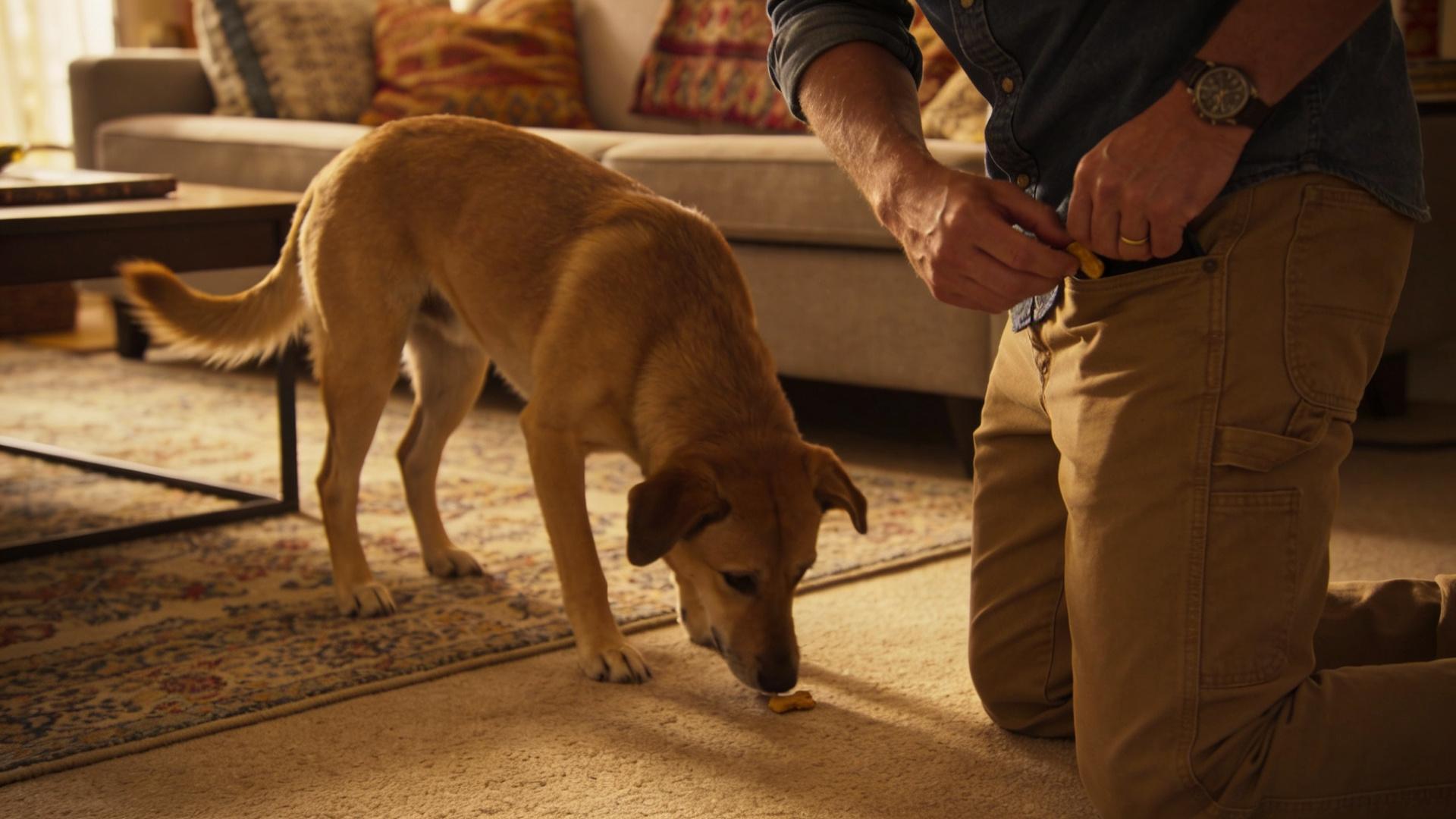
Dogs' "Jet Lag": Why is a 5-second delayed reward meaningless?
You’ve just spent ten minutes trying to teach your dog to "sit." Finally, he does it! You fumble for a treat in your pocket, unhook the leash, and by the time you deliver the reward, he’s already standing up and sniffing the ground. You think you’ve rewarded the "sit," but your dog is utterly confused. Sound familiar? This common frustration isn't your dog being stubborn—it's a fundamental breakdown in communication, a case of what we can call canine jet lag. While we operate on a timeline of minutes and intentions, your dog lives in a world of instantaneous cause and effect. So, why does a delay of just a few seconds render a reward completely meaningless in your dog’s mind? The answer lies in the very mechanics of how dogs learn.
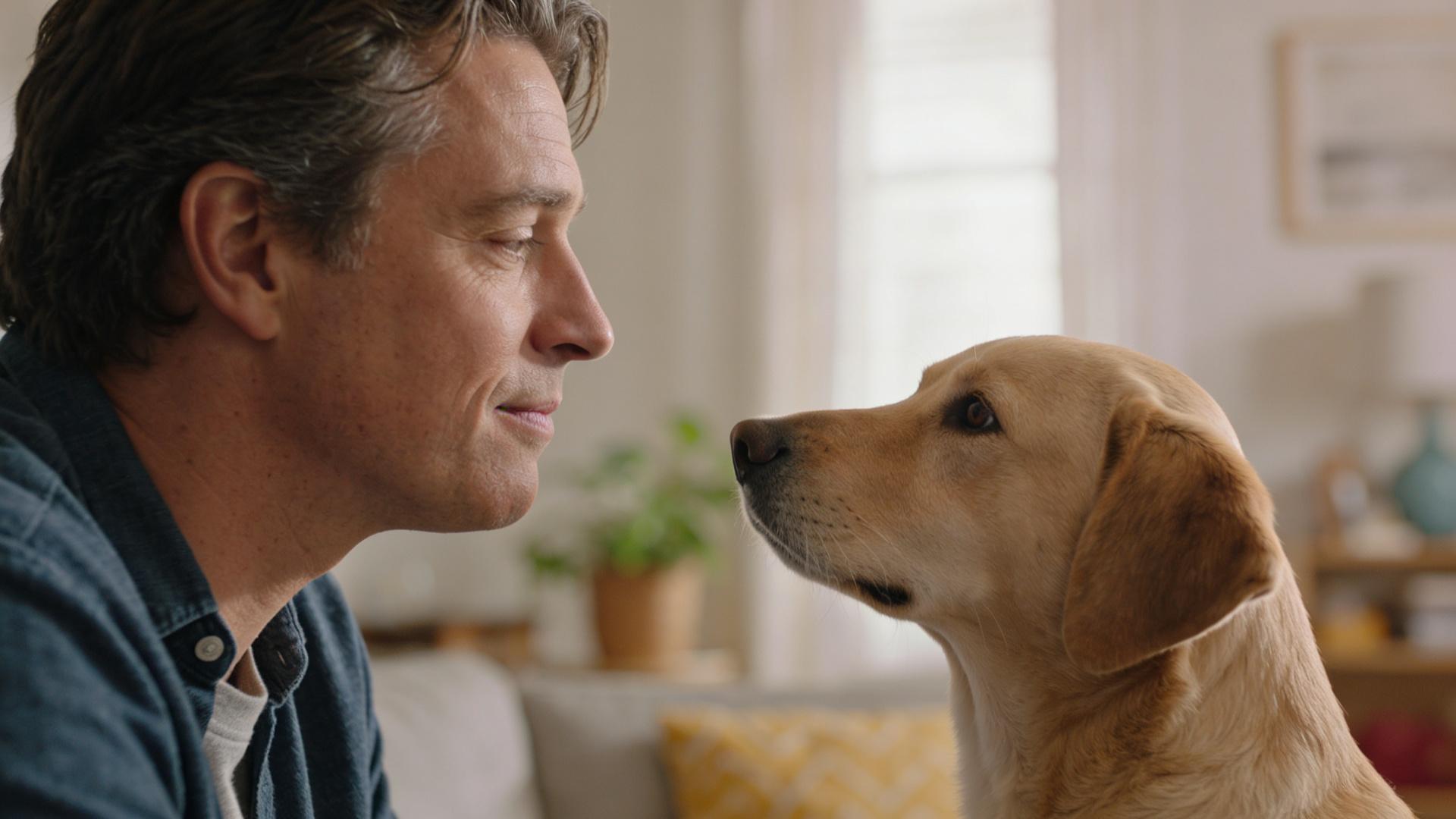
Emotional synchronization: How does the owner's anxiety interfere with training effectiveness?
Picture this: You’re in the backyard, treat pouch on your hip, ready to practice a solid "stay." You give the cue, take one step back, and your dog immediately breaks position. A wave of frustration rises. You try again, your voice tightening. Your dog now seems distracted, sniffing the ground, avoiding eye contact. The more you try to "get it right," the worse it gets. Your anxiety climbs, and your dog’s behavior unravels in tandem. Why does it feel like your emotional state is the invisible hand guiding—or sabotaging—your training session? The answer lies in a powerful, biological phenomenon: emotional synchronization. This is the shared emotional leash that connects your inner world directly to your dog's ability to learn, focus, and cooperate.

Fighting disputes in multi-dog households: How to rebuild hierarchy and peace within the home.
Welcome, dedicated dog owner. If the sound of snarling and the sight of clashing fur has replaced the peaceful coexistence you envisioned for your multi-dog home, you are not alone, and more importantly, there is a clear path forward. As a canine content creator and SEO expert, I have delved deep into the science of dog behavior and the art of creating harmony. The urgency you feel to restore peace is valid—chronic stress from conflict deteriorates the health and wellbeing of every being in the home. This comprehensive guide moves beyond vague advice to provide you with actionable, sequential strategies to dismantle conflict, rebuild a stable hierarchy, and foster lasting tranquility. Let's transform your home from a battleground back to a sanctuary.
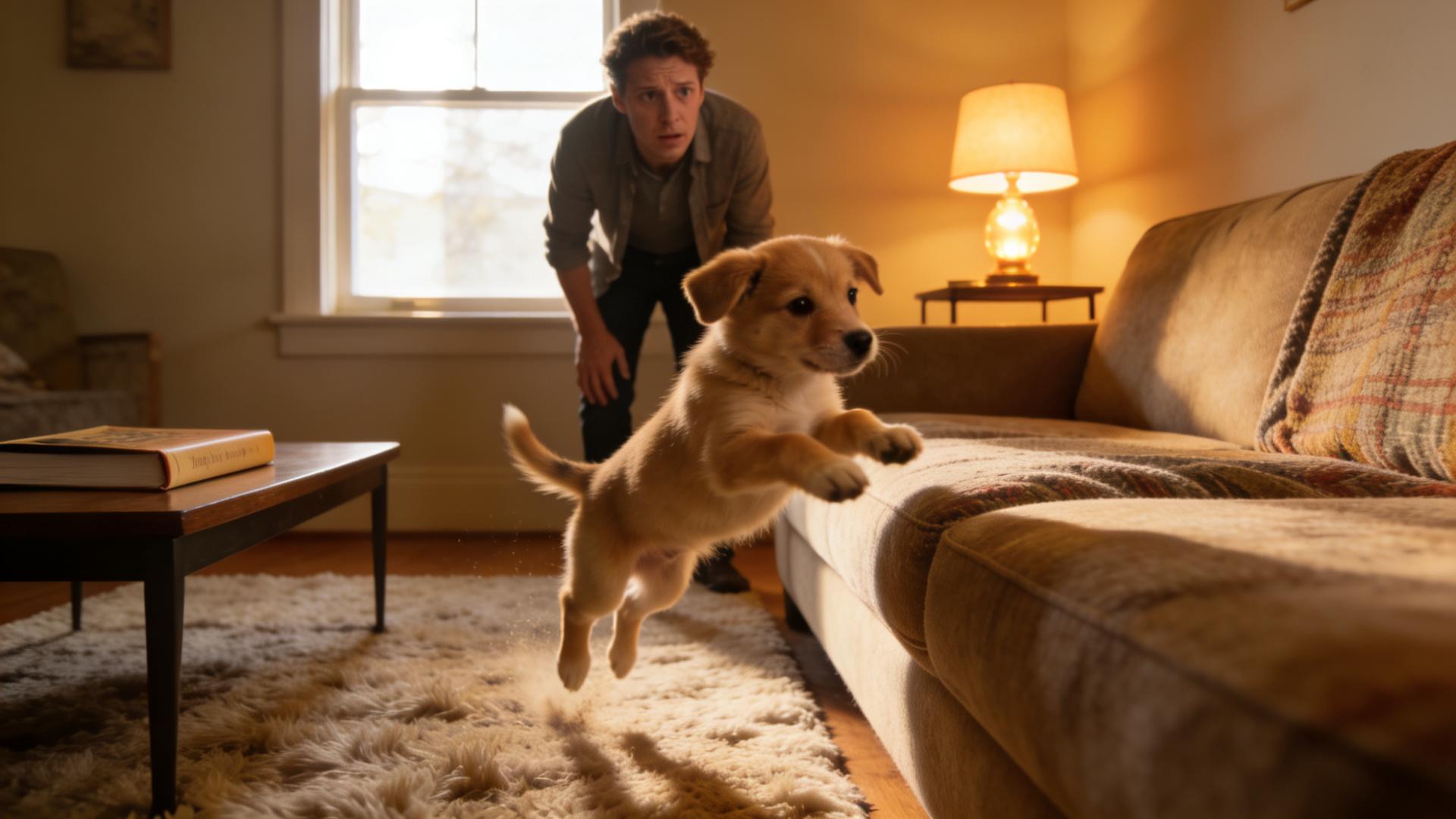
Step and ramp training: Develops puppies' limb coordination
As a loving puppy parent, you watch every wobbly step and joyful bounce with a mix of adoration and quiet concern. That leap off the couch makes your heart skip a beat. You wonder: is this safe for their growing joints? What if they miss and tumble? This instinct to protect is the first sign of a great owner. Today, we’re turning that concern into proactive, health-building action. Beyond just getting on the bed, structured step and ramp training is a foundational skill that cultivates body awareness, prevents injury, and sets the stage for a lifetime of confident movement. This article will guide you through why it's critical, how to choose the right tools, and provide a step-by-step protocol to develop your puppy's limb coordination and proprioception safely and effectively.