
You May Have Missed
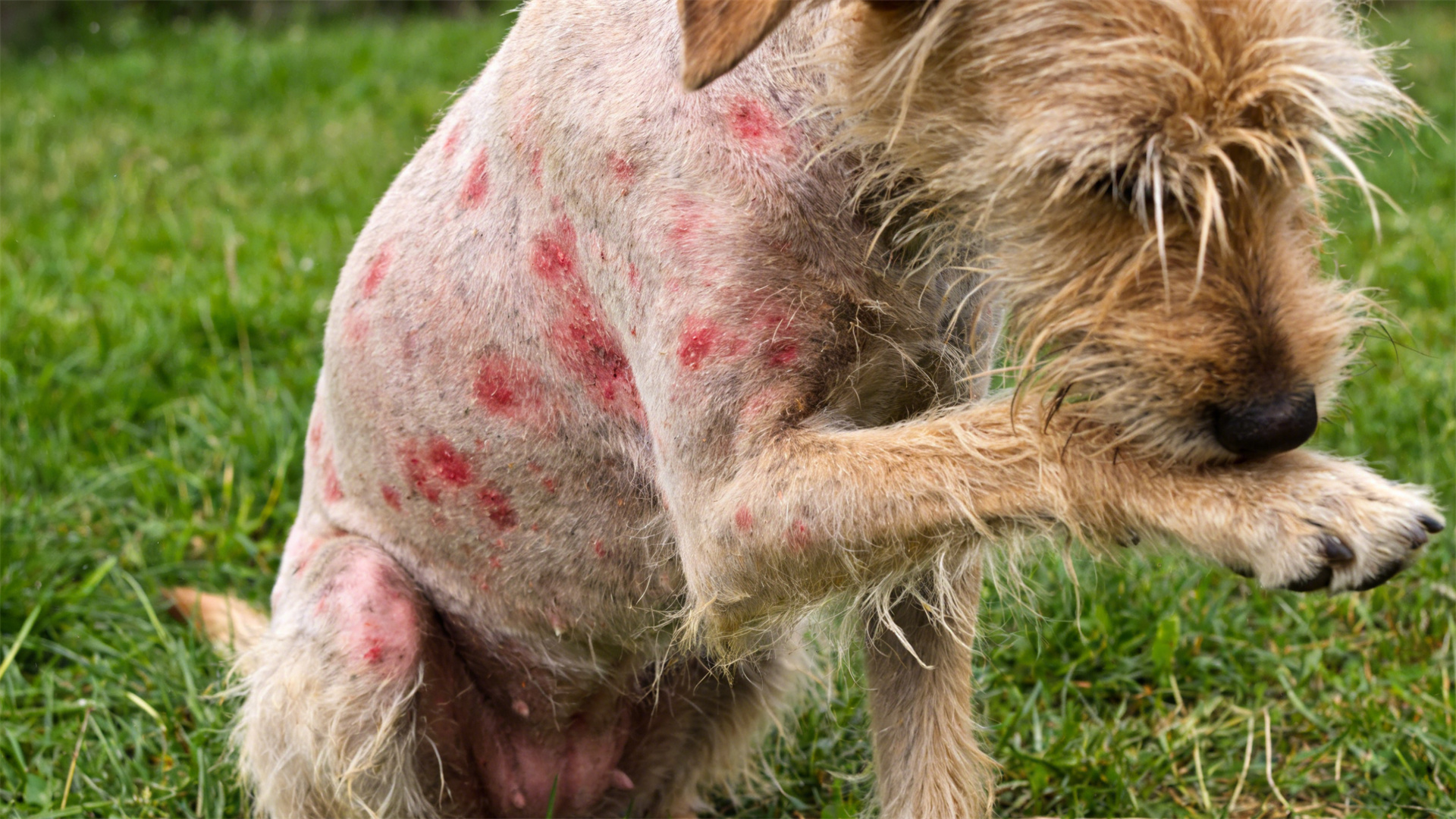
Springtime Allergy-Reducing Diet: Alleviating Skin Redness and Itching by Adjusting Your Food
Is your dog driving you both crazy with constant scratching, licking, and chewing the moment spring arrives. You're not alone. As flowers bloom and pollen fills the air, countless dogs suffer from seasonal allergy flare-ups, manifesting most commonly as miserable skin redness and relentless itching. While environmental allergens are the trigger, the solution may lie in their bowl. This comprehensive guide explores how a targeted springtime allergy diet for dogs can fortify their skin barrier and calm inflammatory responses from the inside out, offering profound relief for your itchy companion.
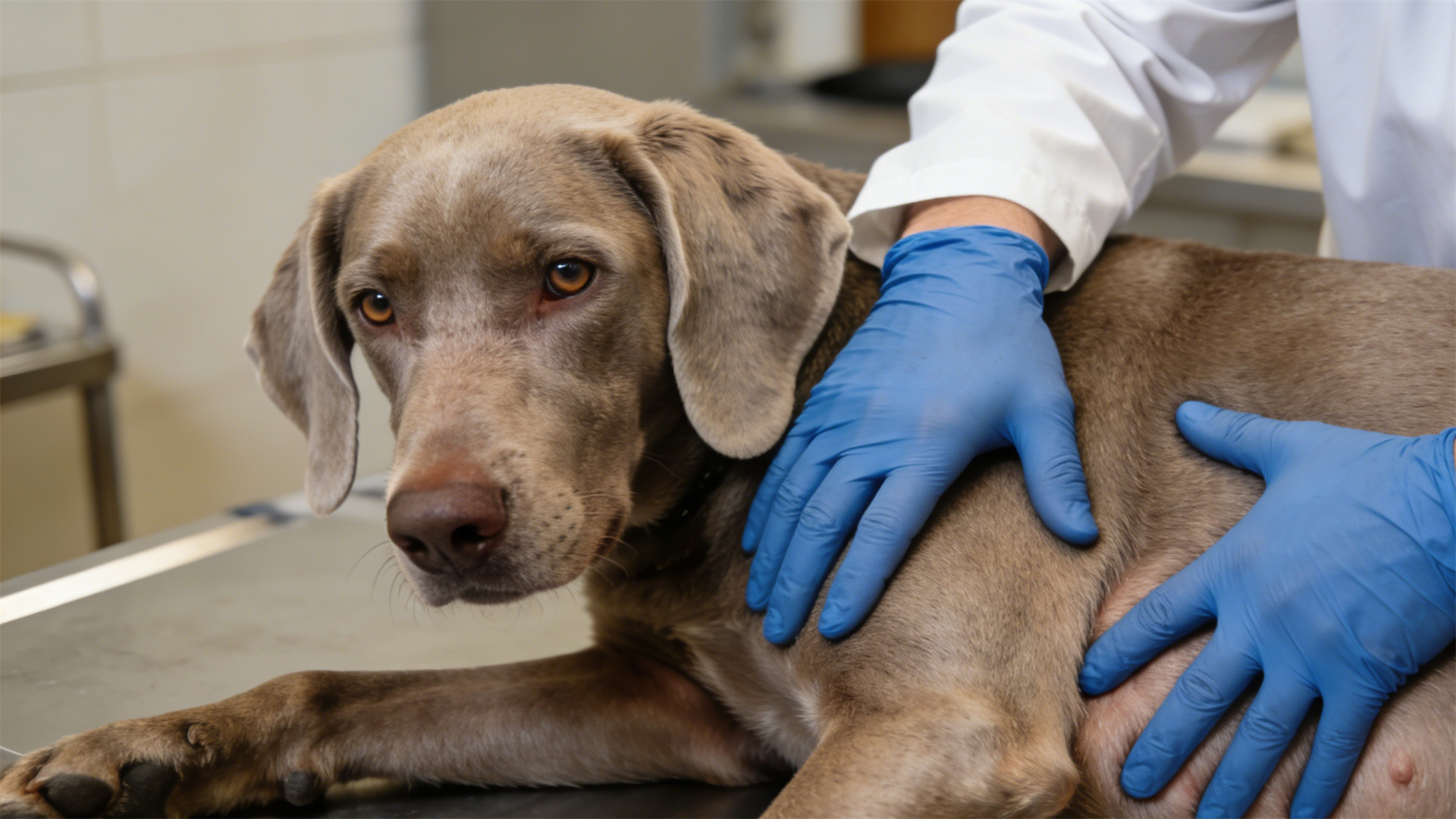
The Health Logic of Slow-Feed Bowls: A Lifeline for Preventing Gastric Toxosis (GDV) in Large Dogs
For owners of large and giant breed dogs, there is perhaps no veterinary term more terrifying than GDV. It strikes with little warning, progresses with alarming speed, and carries a soberingly high mortality rate. Yet, one of the most powerful preventive tools is deceptively simple and sits right on your kitchen floor. This article delves into the critical, life-saving connection between your dog's eating speed and their risk of gastric toxosis, making the authoritative case that a slow-feed bowl is not a mere convenience gadget—it is an essential health intervention.

Resource competition pressure in multi-dog households: How to alleviate long-term social stress in dogs
You come home to your two dogs, and instead of a joyful, wiggling greeting, you're met with a subtle tension. One dog is on the couch, stiffening as the other walks by. The younger dog quickly grabs a toy and scurries to another room when the older one glances over. There's no growling, no fights—just a quiet, palpable strain in the air. This is the often-overlooked reality of resource competition in a multi-dog household, and it extends far beyond squabbles over food bowls. Resources include prime sleeping spots, your attention, doorways, and even a clear path to walk through a room. When dogs live in a state of low-grade, perpetual negotiation for these assets, it leads to long-term social stress, a serious health and welfare issue that can manifest in behavioral and physical decline. The good news? This guide provides actionable, evidence-based strategies to transform your home into a more peaceful, predictable, and low-stress environment for every canine member of your family.
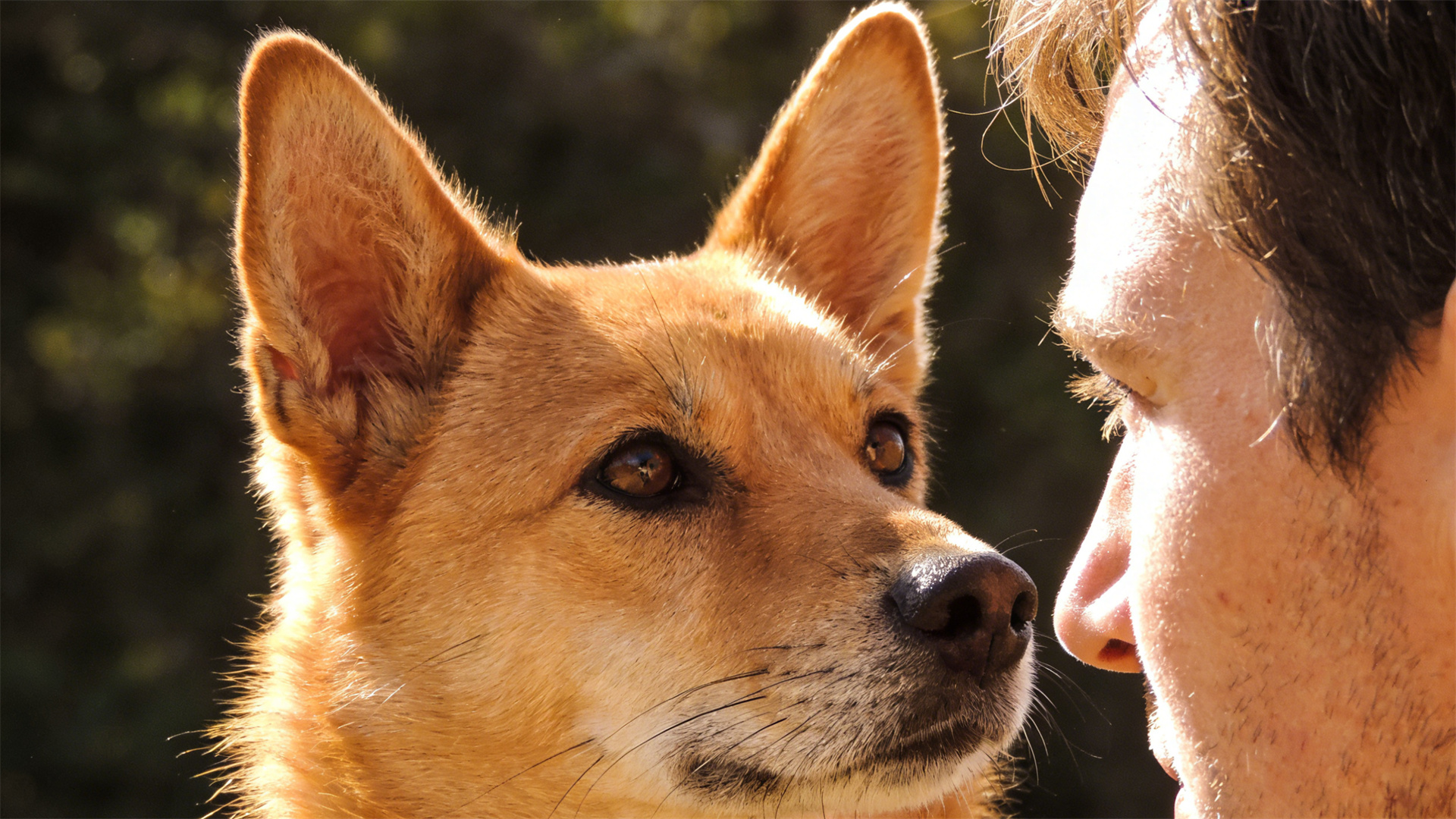
A dog's ability to sense its owner's emotions: Your stress is subtly being transmitted to it.
Have you ever collapsed on the couch after a grueling day, only to have your dog immediately lay its head on your lap with a soft sigh? Or perhaps you've noticed a spike in your dog's nervous energy during a period of personal tension or anxiety. This is not a coincidence. The bond between a dog and its owner is profound, built on millennia of co-evolution and daily companionship that goes far beyond the transactional nature of food and walks. Modern science now confirms what devoted pet lovers have always felt in their hearts: our dogs are deeply, intrinsically attuned to our emotional states. Your stress, often without a single word spoken, is being perceived, interpreted, and even felt by your canine companion.
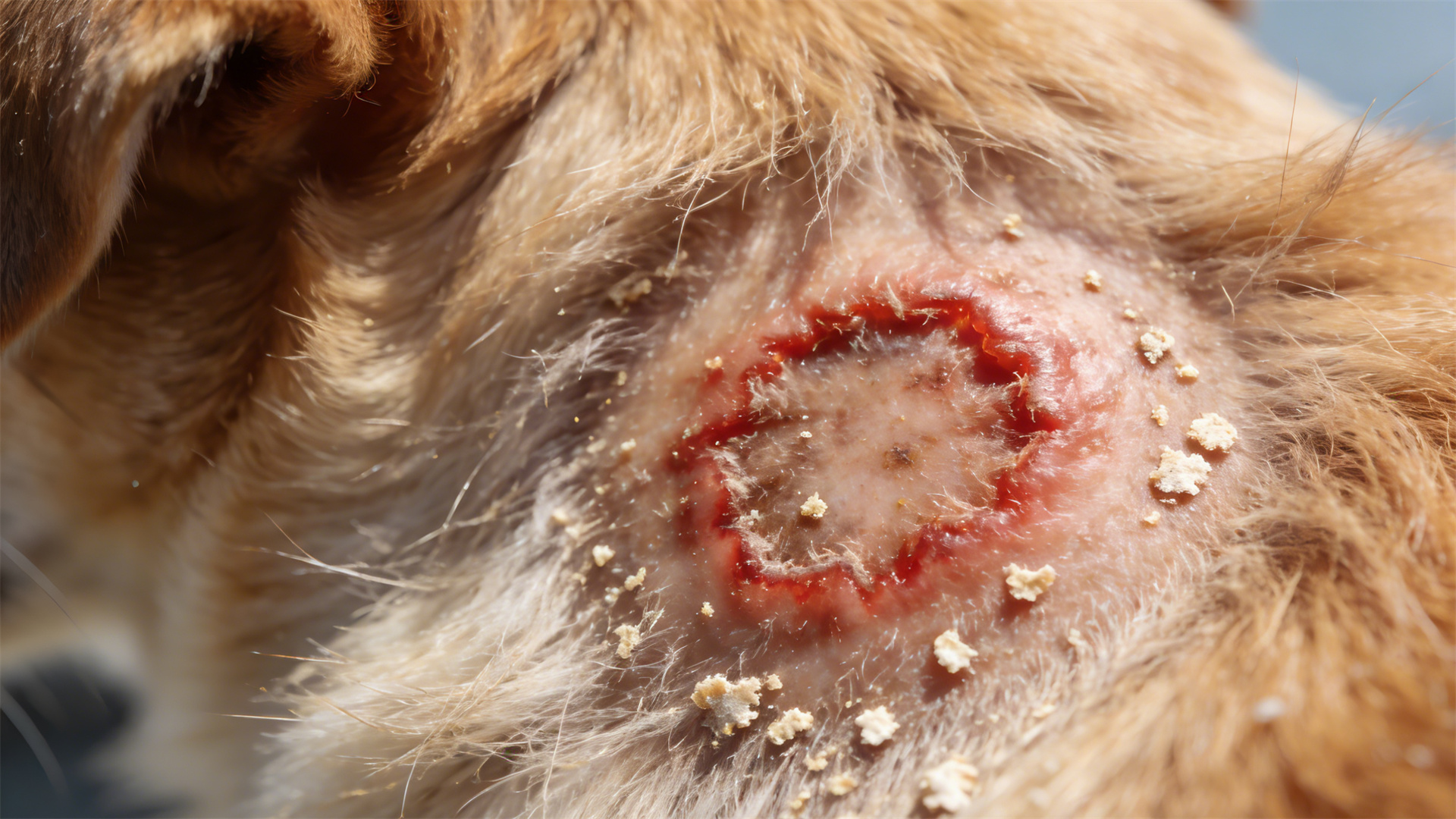
The "detective" approach to canine skin diseases: differentiating between fungal, bacterial, and allergic dermatitis.
As a seasoned content creator and SEO expert in canine care, I know that understanding your dog's skin issues is like solving a complex mystery. 🕵️♂️ Your dog can't tell you what's wrong, and the symptoms—itching, redness, hair loss—often look frustratingly similar. But just like a skilled detective, you can learn to gather clues, examine evidence, and narrow down the suspects. This comprehensive guide will empower you to become a "skin detective" for your furry friend, learning to differentiate between the three most common culprits: fungal, bacterial, and allergic dermatitis. Remember, while this information is an invaluable tool for observation and communication, always consult your veterinarian for a definitive diagnosis and treatment plan. Your vet is the forensic lab and the chief inspector rolled into one.
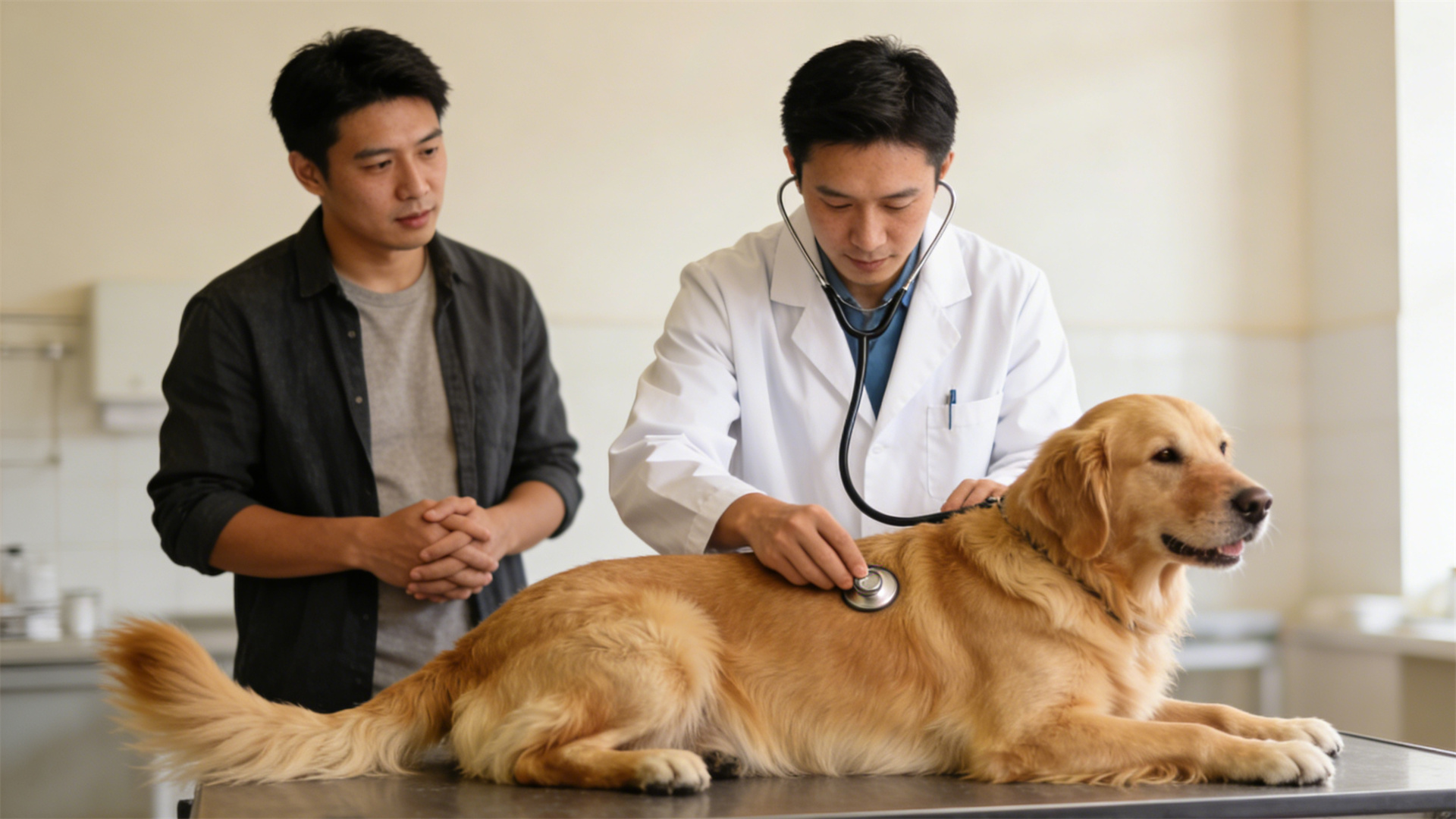
Full-cycle physical examination checklist
Have you ever looked at your dog and wondered if they're truly as healthy as they seem? That wagging tail and eager eyes can sometimes hide subtle signs of discomfort or early illness. As a devoted dog owner, your vigilance is the first line of defense in your pet's lifelong wellness journey. A full-cycle physical examination is not merely a sporadic vet visit; it's a proactive, consistent practice of observation and assessment that spans from puppyhood to the senior years. This comprehensive canine health checklist empowers you to become an active partner in your dog's health care. By mastering this nose-to-tail exam, you'll learn to spot minute changes, communicate effectively with your veterinarian, and ultimately, add more happy, healthy years to your dog's life. Let's embark on this essential aspect of responsible pet ownership together.