
You May Have Missed
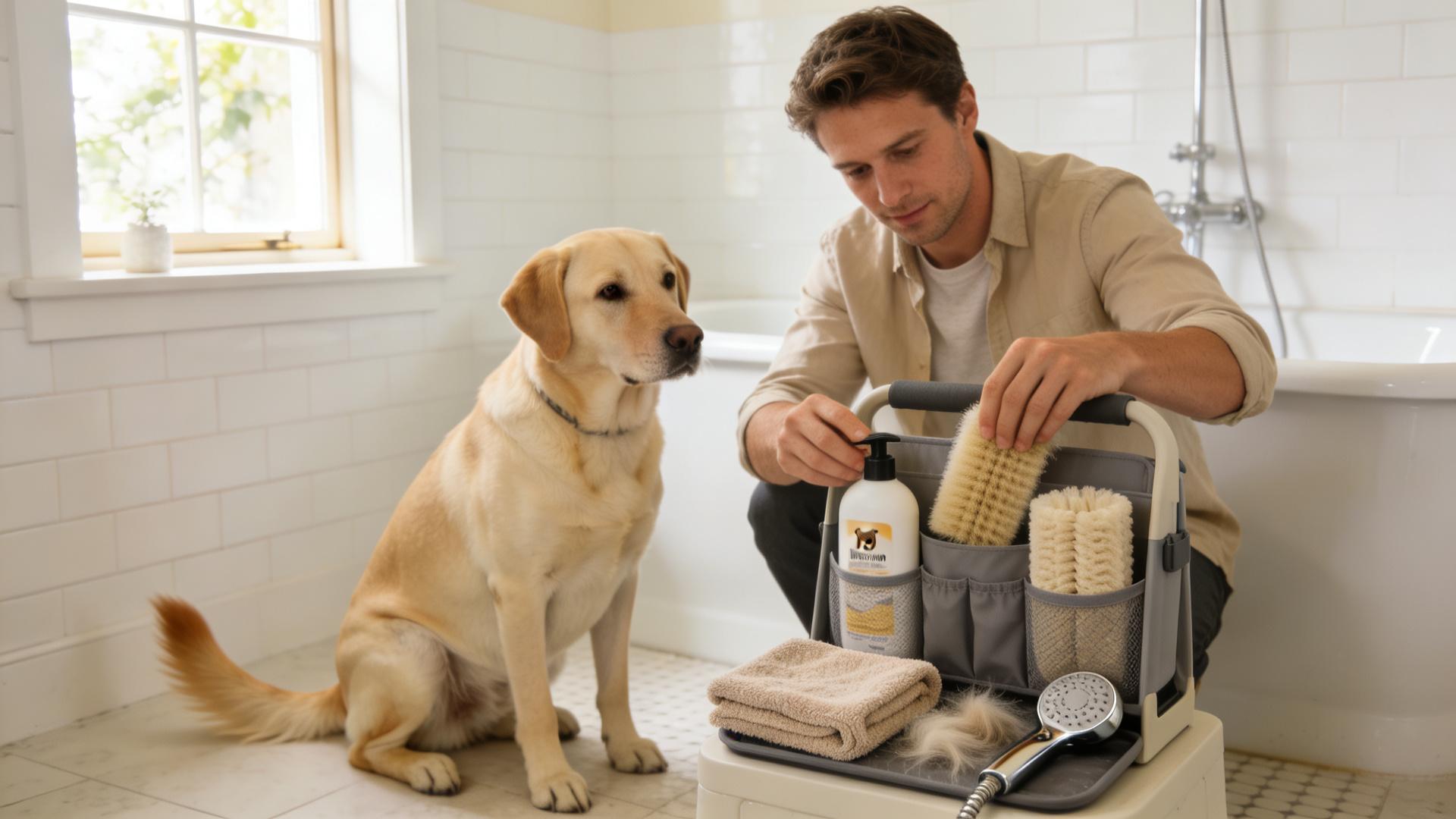
No more need for help with dog washing at home: 5 steps to turn your bathroom into a professional pet grooming studio
Tired of the chaotic, soggy struggle of bathing your dog. Wrestling with a wet, slippery pup in a cramped tub is a chore for both of you. But what if you could transform that ordinary bathroom into a serene, efficient, and professional pet grooming at home studio. Imagine achieving a salon-quality wash and dry in the comfort of your own home, saving money and reducing stress for your canine companion. It's not a fantasy. With these five strategic steps, you can create the perfect environment for a successful, mess-controlled, and even enjoyable dog washing at home experience. Say goodbye to needing an extra pair of hands and hello to your new role as your dog's personal groomer.
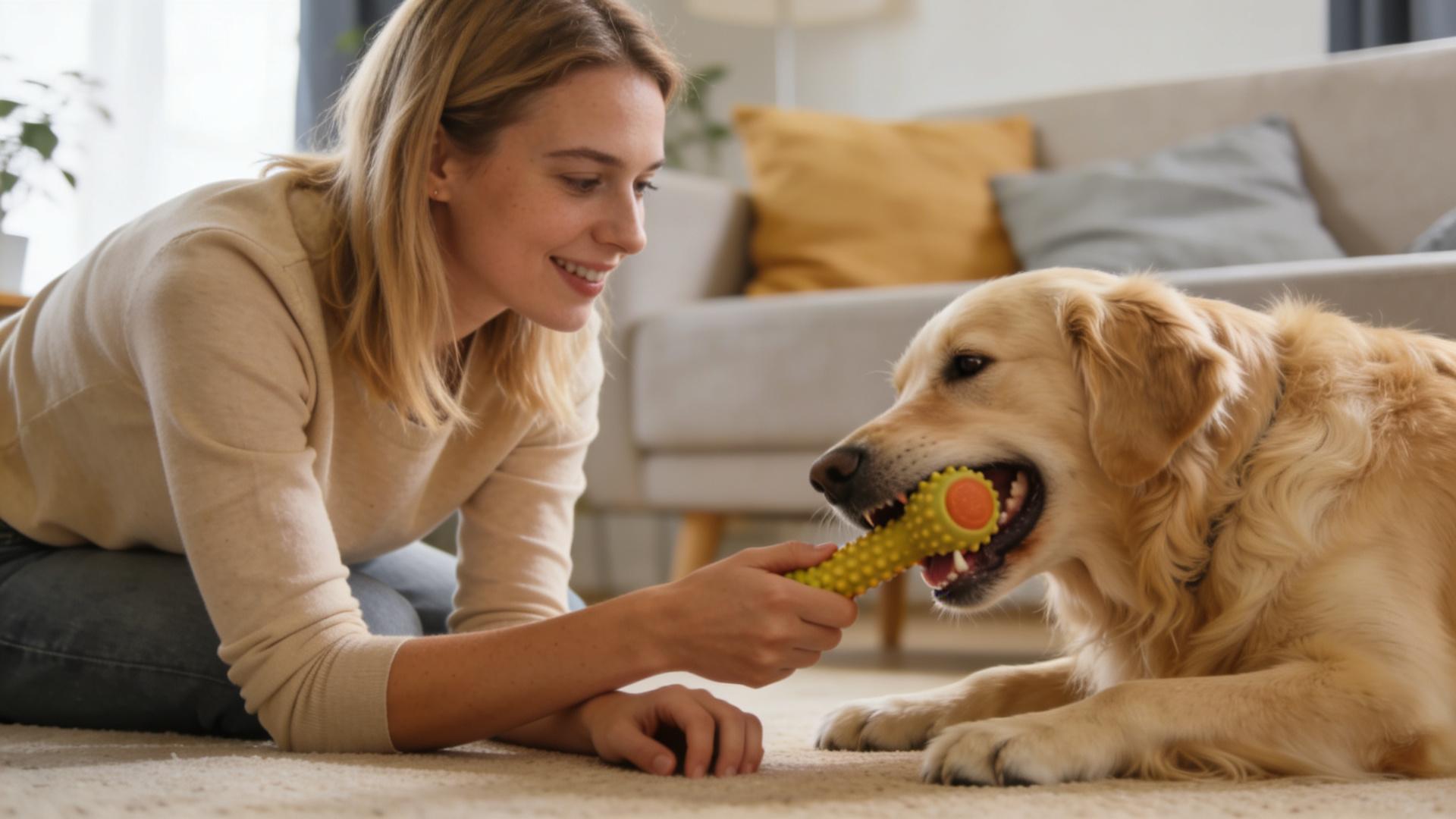
Cleaning and discarding standards for dog toys: Don't let crumbs clog your intestines.
For any dog parent, the sight of their furry friend gleefully shredding a new toy is pure joy. Toys are not just playthings; they are essential tools for mental stimulation, dental health, and combating boredom. However, lurking beneath that playful exterior of a worn-out squeaky toy or a beloved plush lamb is a potential health hazard few consider. Without a rigorous protocol for maintenance, the very objects meant to enrich your dog's life can become silent threats, leading to costly vet visits, emergency surgeries, or worse. This comprehensive guide dives deep into the non-negotiable cleaning and discarding standards for dog toys, arming you with the knowledge to prevent dangerous intestinal blockages from ingested toy fragments.
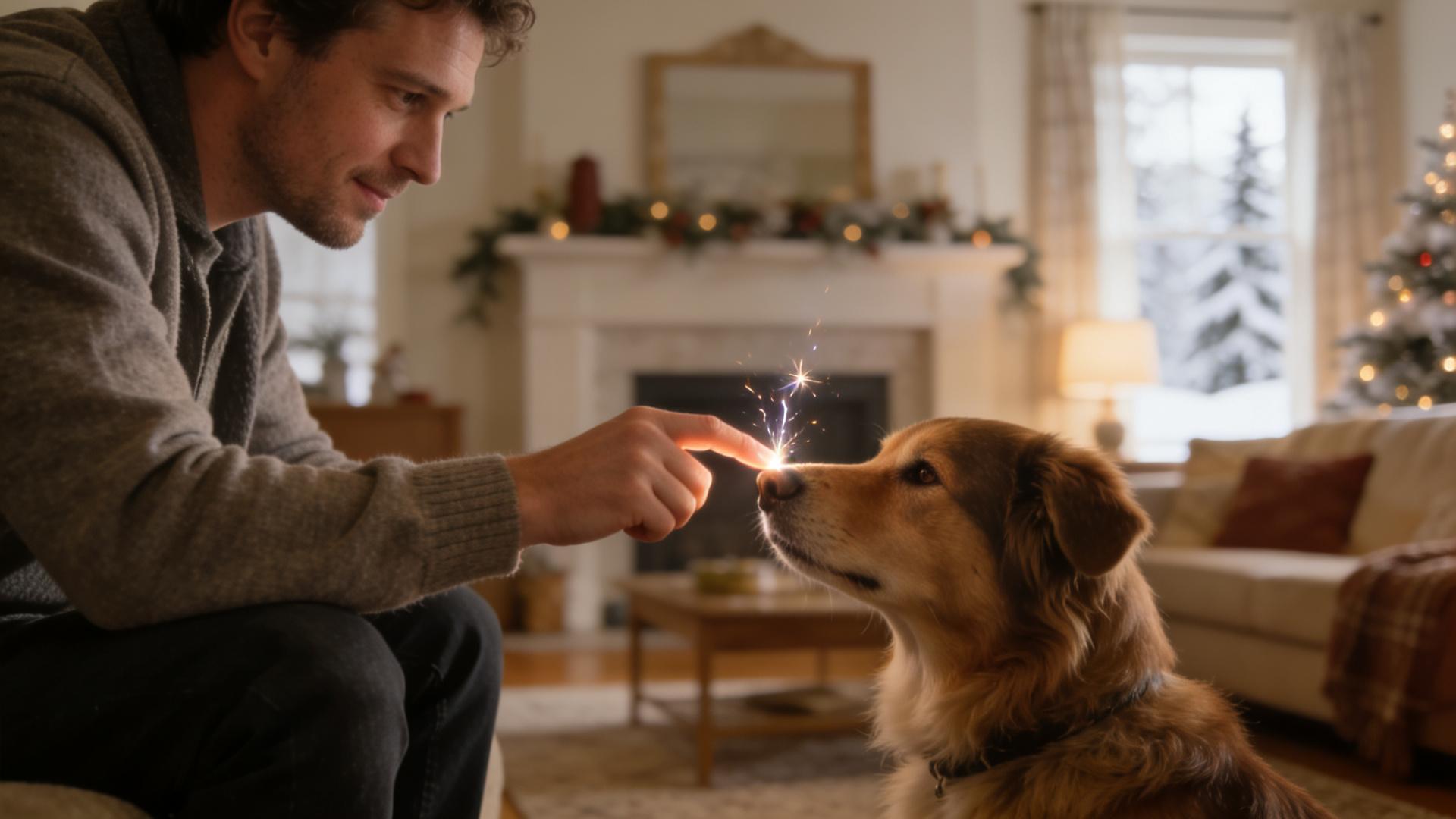
Winter Static Electricity Protection: Simple Tips to Reduce Flying Fur and Electric Shock in Dogs
You reach down to give your beloved dog a good morning scratch behind the ears, and zap. A tiny blue spark leaps from your fingertip to their nose, causing them to yelp and flinch away. Or perhaps you notice their normally sleek coat suddenly resembles a dandelion puff, with fine hairs standing straight out, defiantly repelling your attempts to smooth them down. Welcome to the season of winter static, a common but often distressing issue for dogs and their owners in cold, dry climates. These small shocks and the phenomenon of flying fur are more than just minor annoyances. They can cause your pet anxiety, discomfort, and even a lingering fear of your touch. As a concerned pet parent, you naturally want a solution. This article is your comprehensive guide. We will demystify the causes of winter static in dogs and provide you with simple, effective, and pet-safe strategies to reduce electric shocks and control flyaway fur, ensuring a more comfortable winter for both you and your four-legged family member.
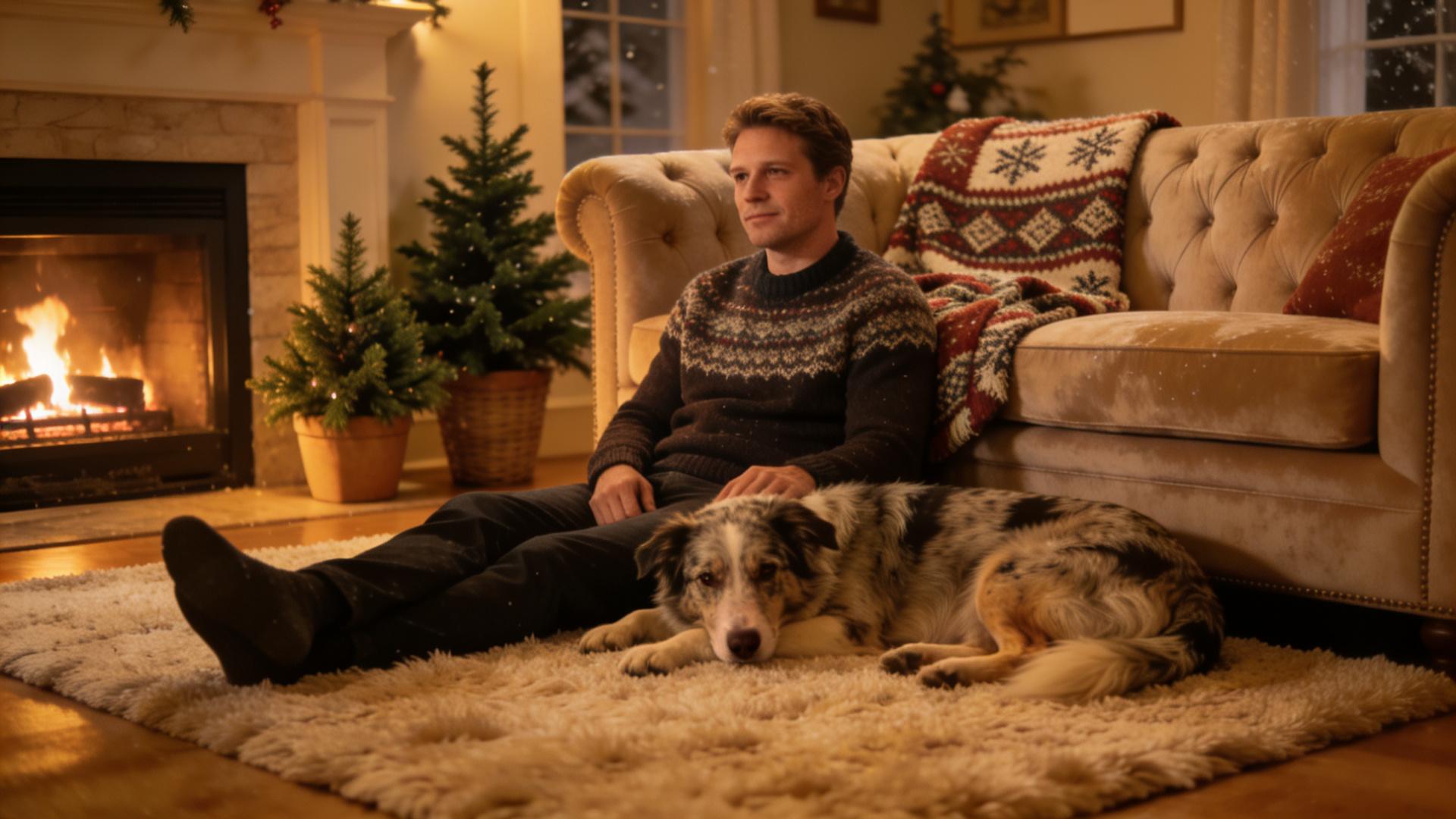
Dryness and itchiness in dogs in heated rooms: Using humidifiers and moisturizing sprays
As the winter chill sets in or we rely on constant heating to stay cozy, a hidden discomfort often plagues our canine companions. Have you noticed your dog scratching more frequently, perhaps with flaky skin or a dull coat? You're not alone. The same artificial heat that keeps us warm can create an arid indoor environment that wreaks havoc on your dog's skin health. This article delves into the root causes of this common issue and provides a detailed, actionable plan centered on two powerful tools: humidifiers and moisturizing sprays. Let's restore comfort to your furry friend's life.
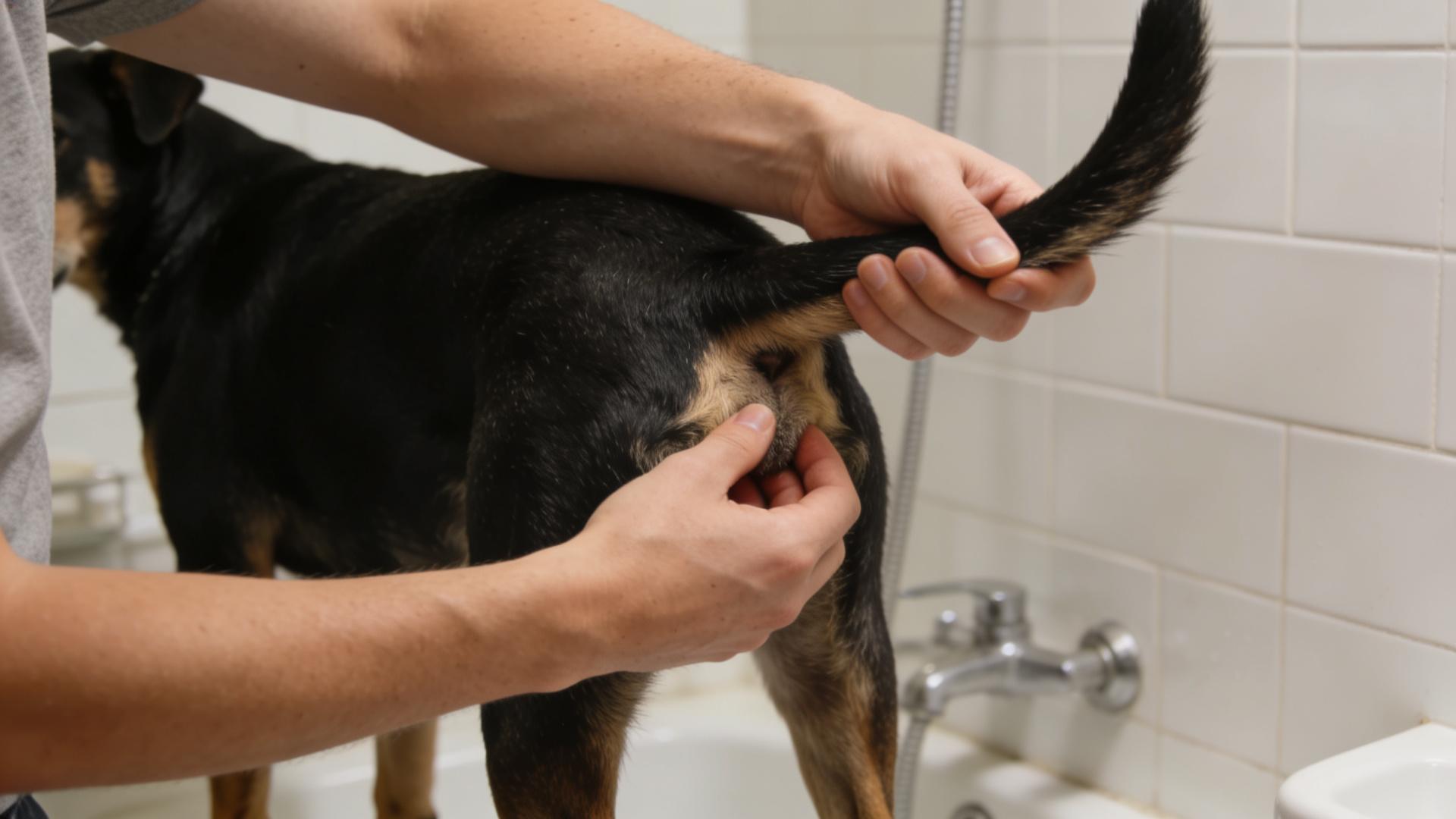
The secret at the base of the tail: an easily overlooked blind spot for skin cleaning.
As a dedicated dog owner, you pride yourself on your pet's sparkling coat, clean paws, and fresh breath. You have the grooming routine down to a science—or so you think. Yet, in the intricate map of canine hygiene, there lies a territory often left uncharted, a zone hidden in plain sight: the base of the tail. This crucial junction is a frequent casualty of grooming oversight, a secret hotspot where minor neglect can seed major discomfort for your beloved companion. Let's shine a light on this shadowy area, understand why it's forgotten, and master the art of keeping it healthy. 🐕
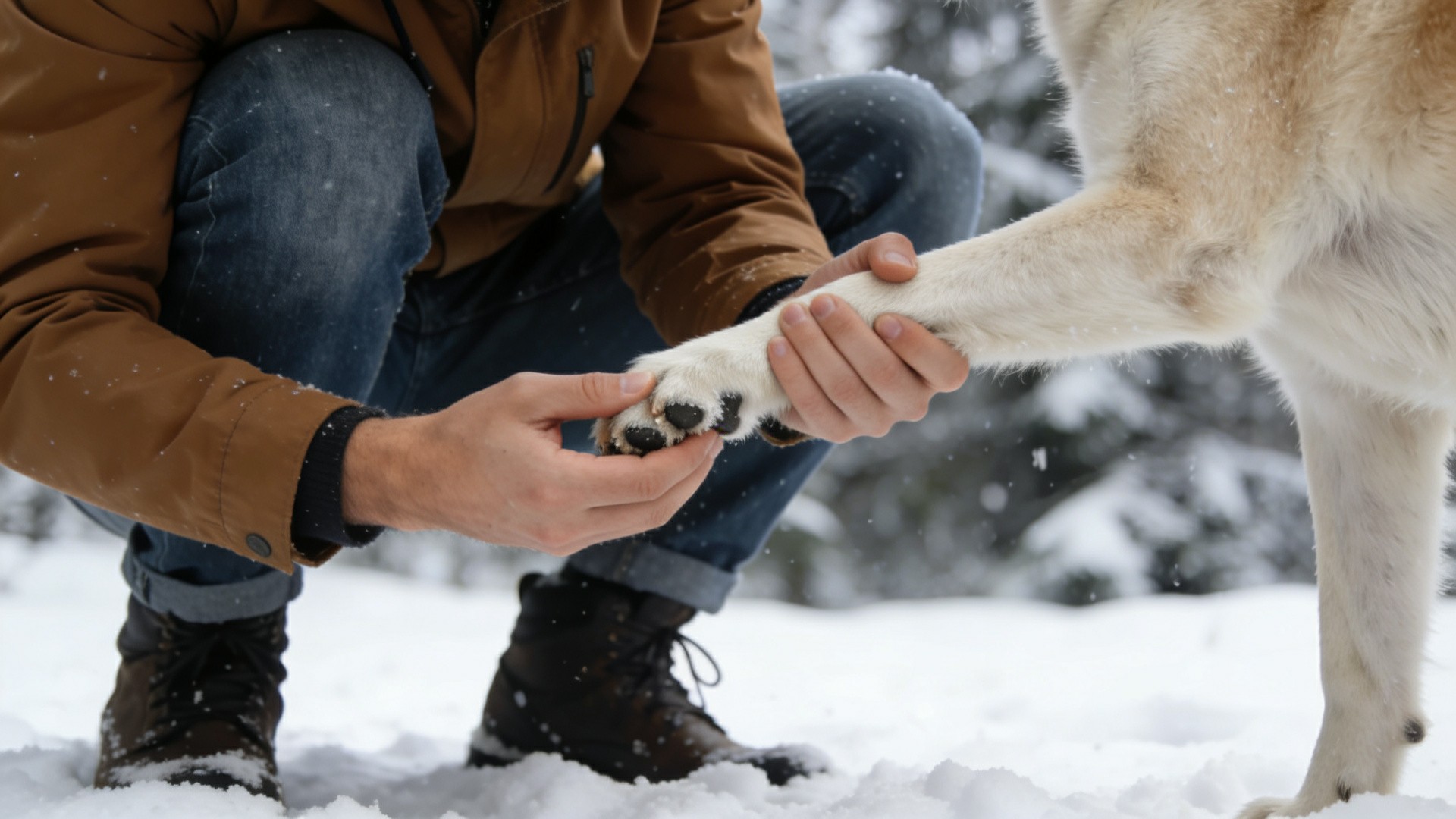
Dog paw pad care cream: A home remedy for dry, cracked paw pads in winter.
As the mercury drops and winter's grip tightens, our canine companions face a silent, often overlooked adversary: the harsh conditions underfoot. ❄️ While we bundle up in boots and coats, our dogs’ first line of defense is their resilient yet vulnerable paw pads. Dry air, icy surfaces, and corrosive de-icing chemicals conspire to strip away natural oils, leading to painful dryness, cracking, and even infections. This comprehensive guide delves beyond store-bought solutions, offering you a safe, effective, and natural home remedy for dry cracked paw pads. We'll equip you with everything you need to create a healing DIY dog paw balm, apply it effectively, and fortify your dog's paw health all season long.