
You May Have Missed
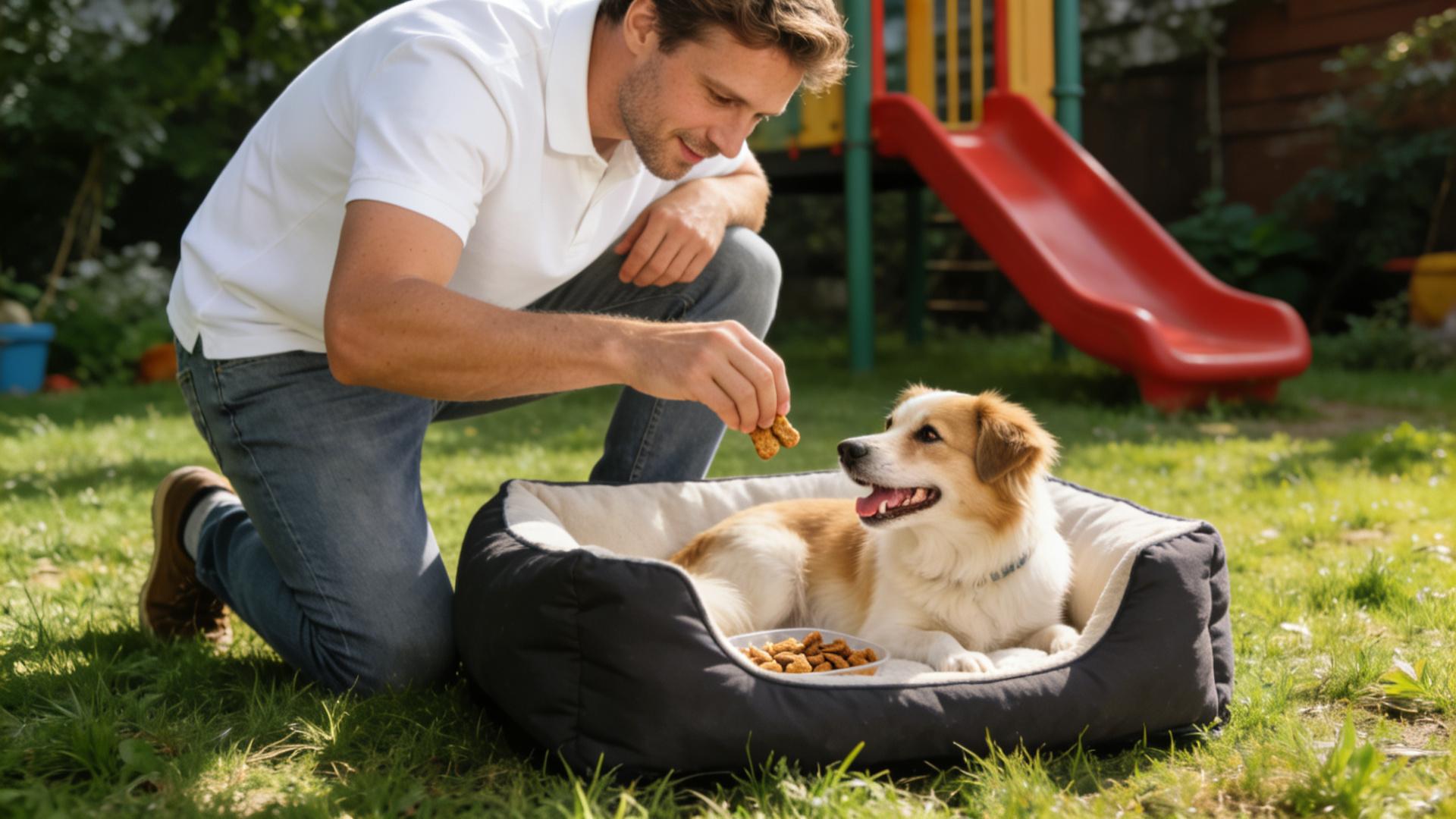
Correcting "attention-seeking" behavior: Teach your dog to go back to its kennel when guests arrive.
You’ve been looking forward to a quiet evening with friends. The doorbell rings, and instantly, your peaceful home erupts into chaos. Your dog transforms into a furry tornado of barking, jumping, and weaving between legs, desperate for pats and completely derailing any attempt at a calm greeting. If this scene feels familiar, you’re not alone. This is a classic, often frustrating, form of attention-seeking behavior in dogs.
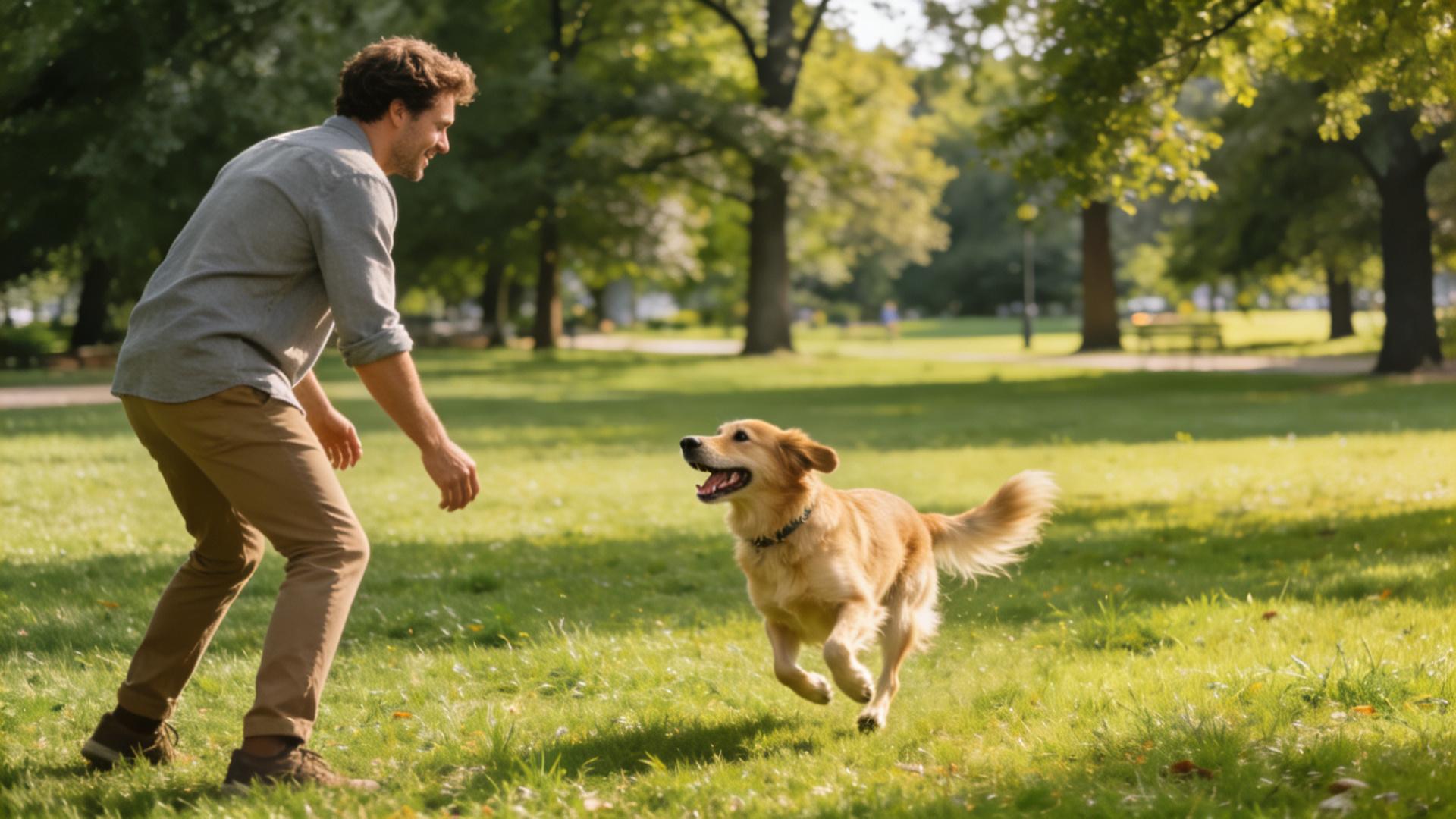
Long-distance recall: Accurately calling back a running dog in the center of the park.
You shout his name, your voice tinged with rising panic. Across the wide-open green, your dog’s ears flick but his body remains locked on the tantalizing scent of a squirrel. He’s too far, too distracted, and you feel a cold wave of helplessness. This scene is the stark reality for many dog owners, highlighting the gap between a basic "come" in the kitchen and a reliable long-distance recall in the real world. Achieving that swift, joyful return from any distance isn't about dominance; it's the pinnacle of trust, communication, and skilled training. It is the ultimate gift of safe freedom. The journey there is methodical, but entirely possible. This guide will walk you through the proven, progressive steps to transform your recall from a hopeful plea into an unwavering response.
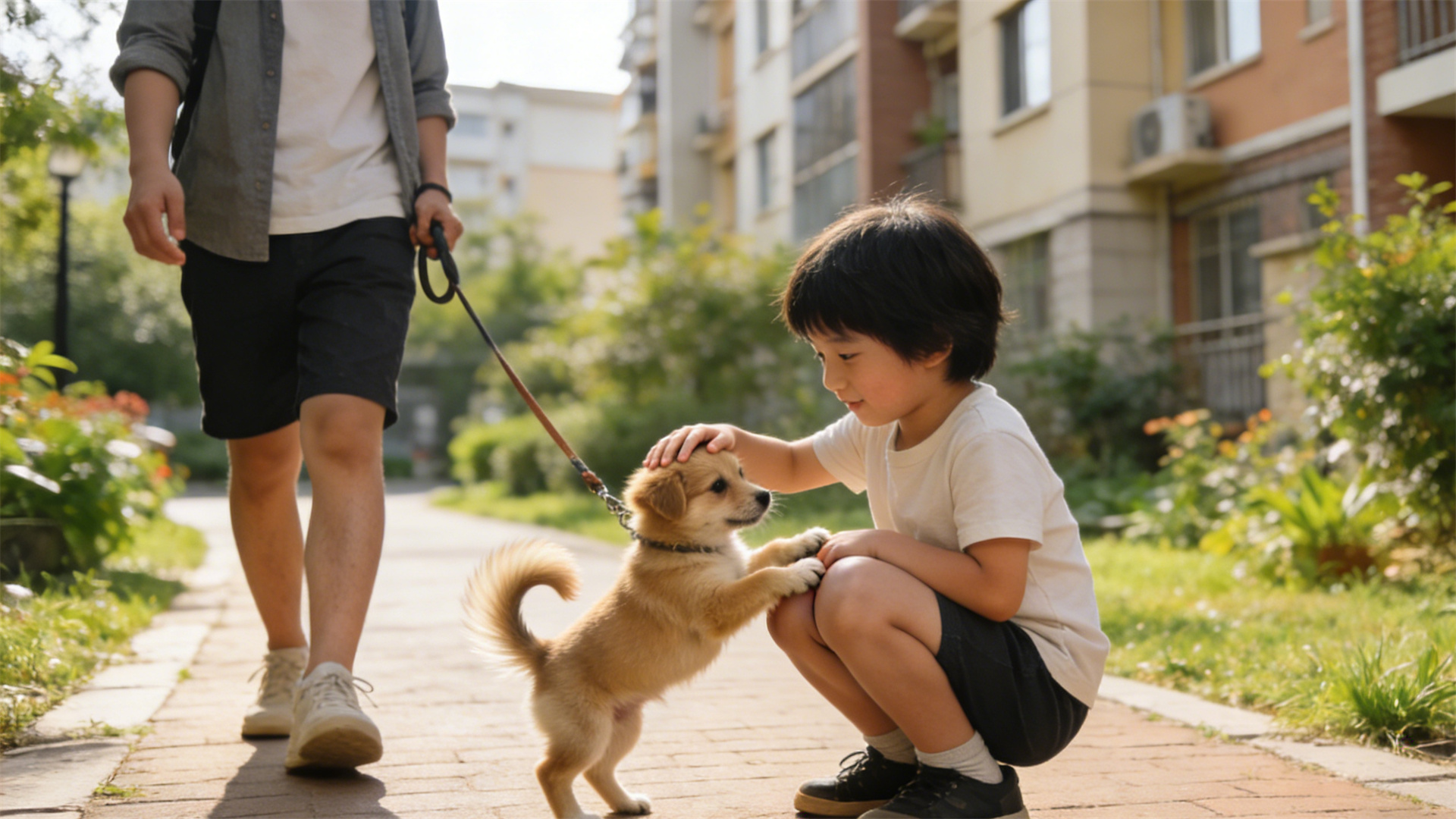
Level 1: Socialization and Order in the Cub Stage
The first few weeks with your new puppy are a whirlwind of joy, licks, and… let's be honest, a bit of chaos. In this critical period, your most important jobs aren't just cuddling and playing. They are socialization and establishing order. Think of this as Level 1 in your dog's lifelong training game. Mastering these two foundational pillars is the single greatest investment you can make in your pup's future. It builds a confident, well-mannered companion and prevents a host of behavioral issues down the line. This guide will walk you through exactly how to navigate your puppy's cub stage with purpose and positivity.
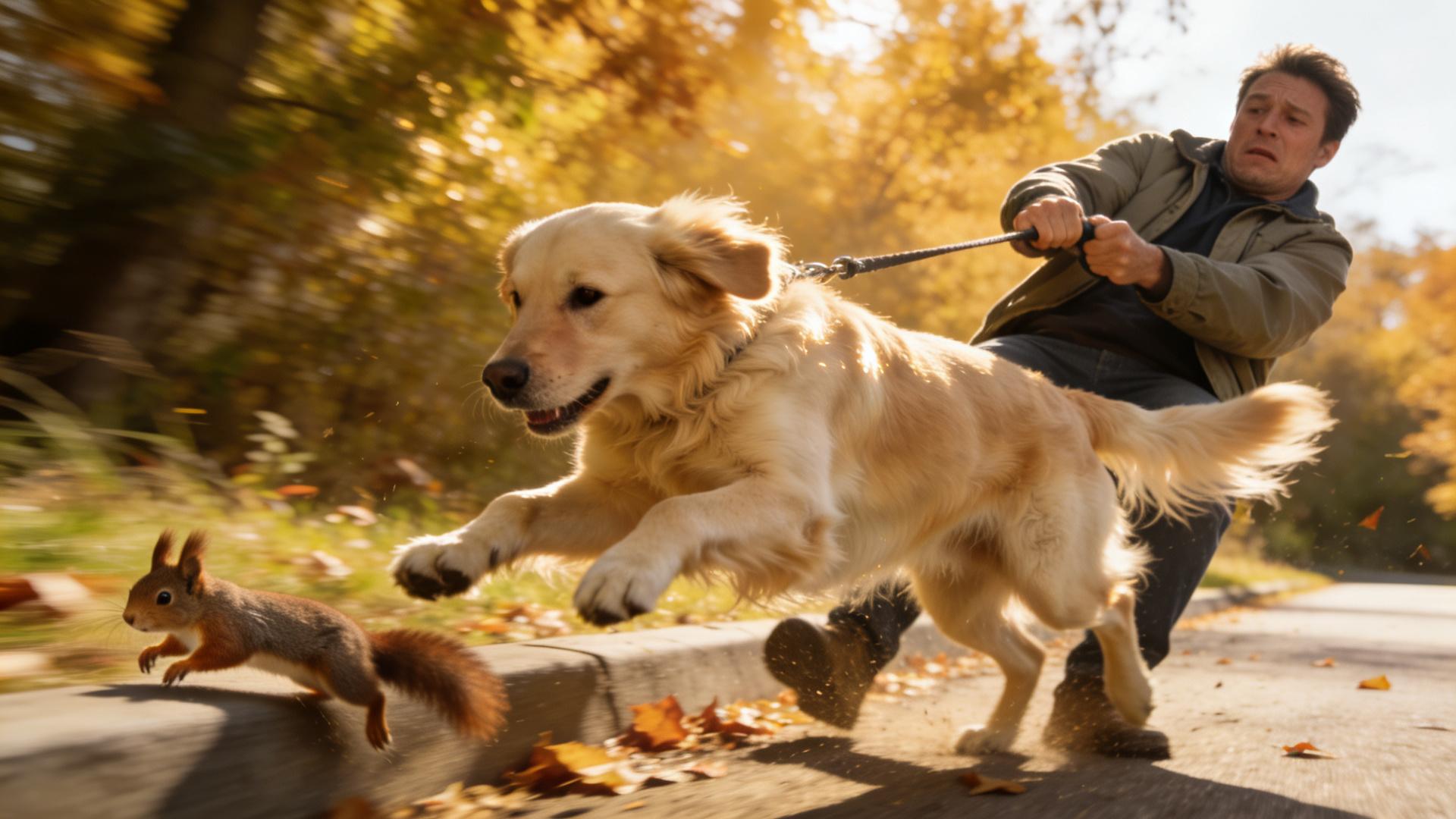
Slack rope following: Using "figure-eight movement" to correct sudden acceleration.
You’re enjoying a peaceful walk when a squirrel darts across the path. In a flash, your dog transforms into a sled dog, surging forward with such force that your shoulder aches. This sudden acceleration, also known as lunging or surging, is more than just an annoyance—it's a breakdown in communication and a potential safety hazard. Traditional "corrections" often create more tension, leading to a frustrating battle of wills. But what if the solution wasn't about holding tighter, but about creating intentional slack? Enter slack rope following and its powerful companion, the figure-eight movement. This sophisticated approach doesn't just manage pulling; it teaches your dog to actively seek a loose leash through intelligent handler movement.
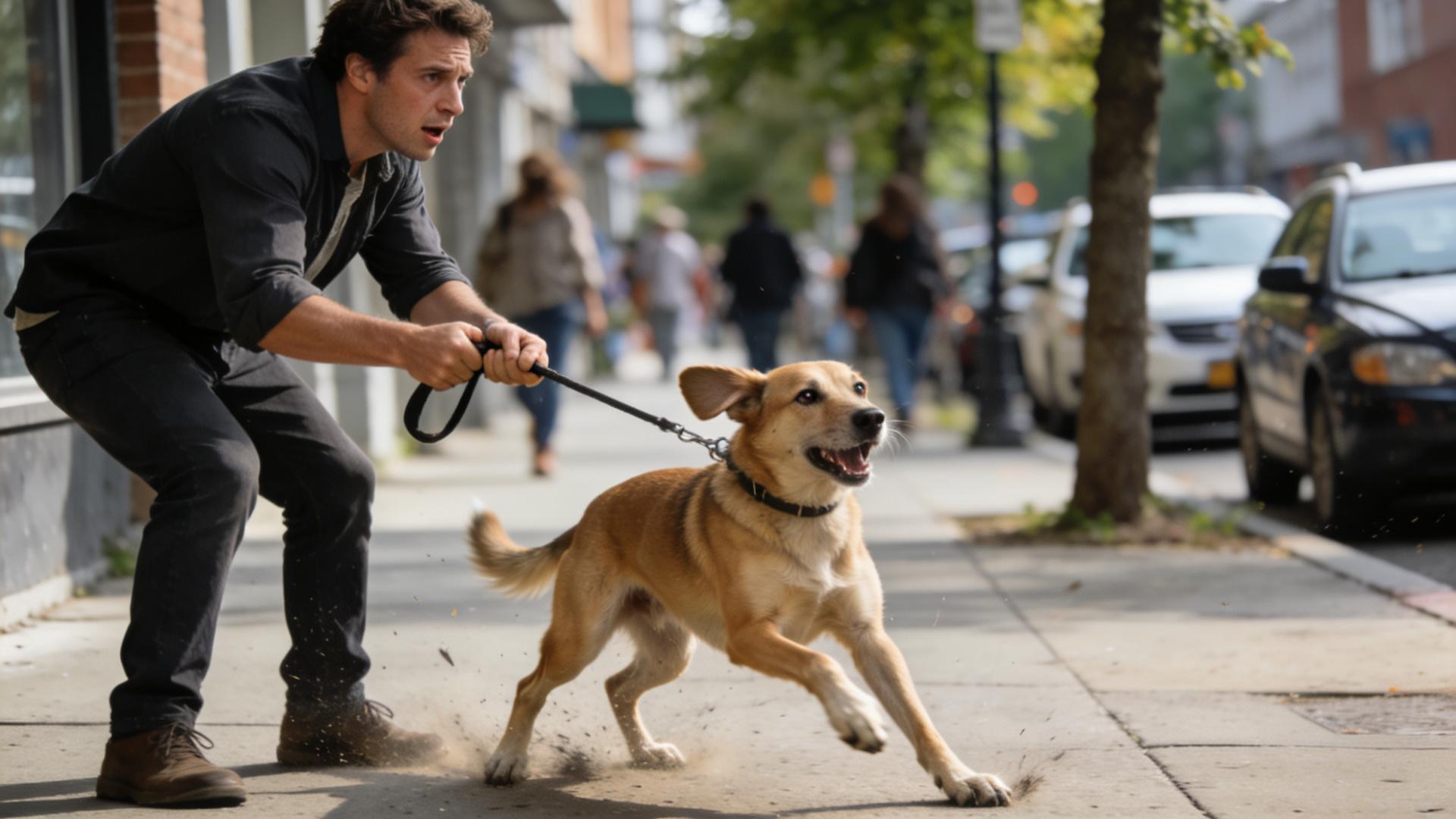
Automatic Sit: Train your dog to automatically sit when its owner stops.
You’re mid-walk, and you need to pause—to cross the street, greet a neighbor, or pick up after your dog. Instead of a calm stop, you’re met with a tangled leash, a dog leaning into their harness, or frantic sniffing at the exact spot you need to stand. This common walking challenge is more than just frustrating; it can compromise safety and control. What if, every single time you stopped moving, your dog instantly and politely sat by your side? This isn't a fantasy; it's the automatic sit, a foundational skill that transforms chaotic halts into moments of calm obedience.
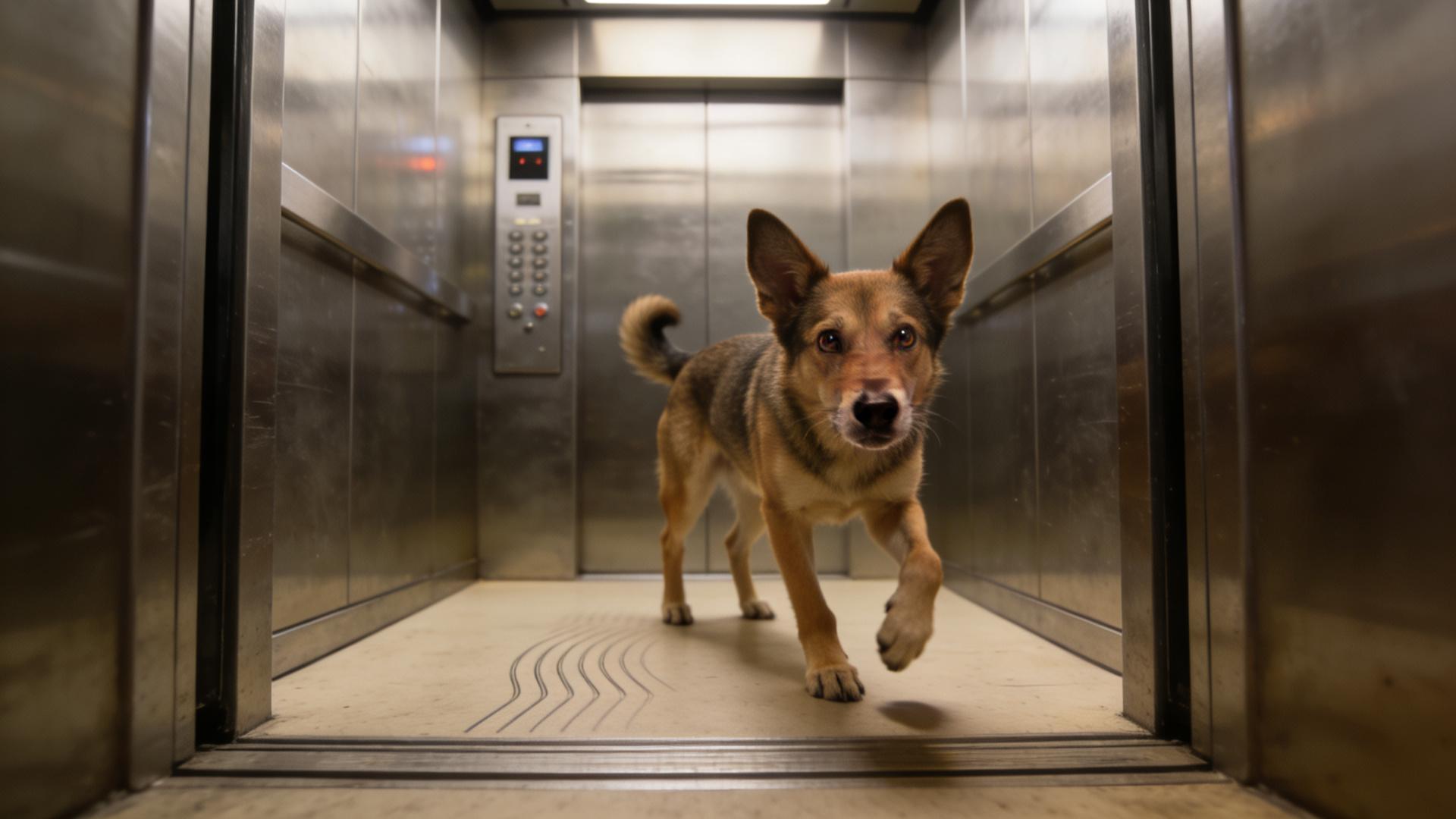
Elevator etiquette training: Calm control when entering confined spaces
The doors slide shut with a soft whoosh, the floor gives a slight lurch, and suddenly, the world feels very small. For many dogs, an elevator ride is a confusing cocktail of strange sounds, confined space, and unpredictable movement. Imagine your dog, panting heavily, pulling on the leash, or even trying to bolt as the doors open. This common scenario isn't just stressful—it can be a safety risk for everyone involved. Training your dog for elevator etiquette is not a luxury; it's a crucial skill for urban living that ensures safety and comfort for your pet, you, and fellow passengers. With patience and the right approach, you can transform this daunting experience into a calm, controlled routine.