
You May Have Missed
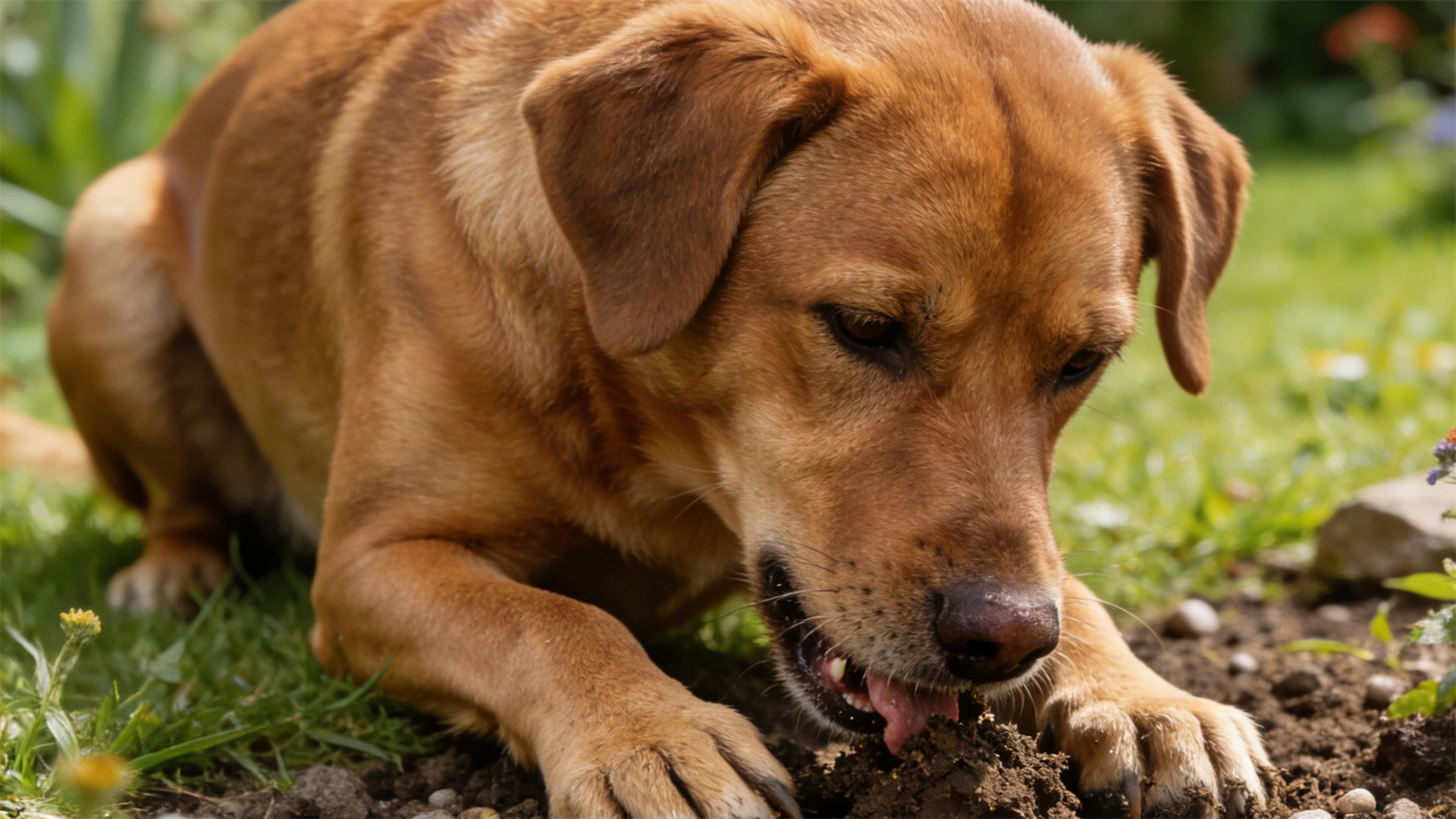
Micronutrient deficiencies in dogs: The underlying logic behind brittle nails, soil-eating, and pica.
You notice your dog’s nails seem to split or flake easily during a trim. Later, you catch them intently munching on dirt in the garden. Perhaps they’ve even graduated to chewing on rocks, socks, or drywall. As a concerned dog owner, you might write these off as odd behaviors or minor quirks. But what if these seemingly unrelated issues were connected? What if they were your dog’s way of sending a nutritional distress signal? The common thread often lies in micronutrient deficiencies in dogs—a subtle but significant imbalance that impacts health from the inside out.

Corgi and Dachshund Spinal Insurance: Home Taboos for Protecting Intervertebral Discs (IVDD)
For the devoted owner of a Corgi, Dachshund, or similar short-legged breed, that joyful, wiggly gait is a constant source of delight. Yet, beneath that charming exterior lies a hidden vulnerability: a significant risk for Intervertebral Disc Disease (IVDD). This condition, where the cushioning discs between the vertebrae degenerate or herniate, can lead to pain, nerve damage, and even paralysis. The financial and emotional toll of treating IVDD can be overwhelming. This comprehensive guide addresses two critical pillars of proactive care: understanding the home taboos essential for prevention and demystifying the vital safety net of Corgi and Dachshund spinal insurance. By mastering both, you can dramatically improve your dog's quality of life and be financially prepared should a crisis arise.

Omega-3 Deep Choice: Fish Oil, Krill Oil, or Algae Oil?
As a devoted dog owner, you want to provide the very best for your furry family member. When it comes to nutritional supplements, Omega-3 fatty acids consistently top the list of veterinarian-recommended additions. These essential fats, specifically EPA (eicosapentaenoic acid) and DHA (docosahexaenoic acid), are powerhouse nutrients that support nearly every system in your dog's body. From nurturing a glossy coat and calming itchy skin to promoting healthy joint mobility and supporting cognitive function, the benefits are profound and well-documented. But walk down the supplement aisle or browse online, and you're faced with a choice: Fish Oil, Krill Oil, or Algae Oil? This isn't just a matter of preference; the source can impact efficacy, sustainability, and suitability for your dog's specific needs. Let's dive deep into the science and practicalities to help you make the most informed Omega-3 for dogs decision.
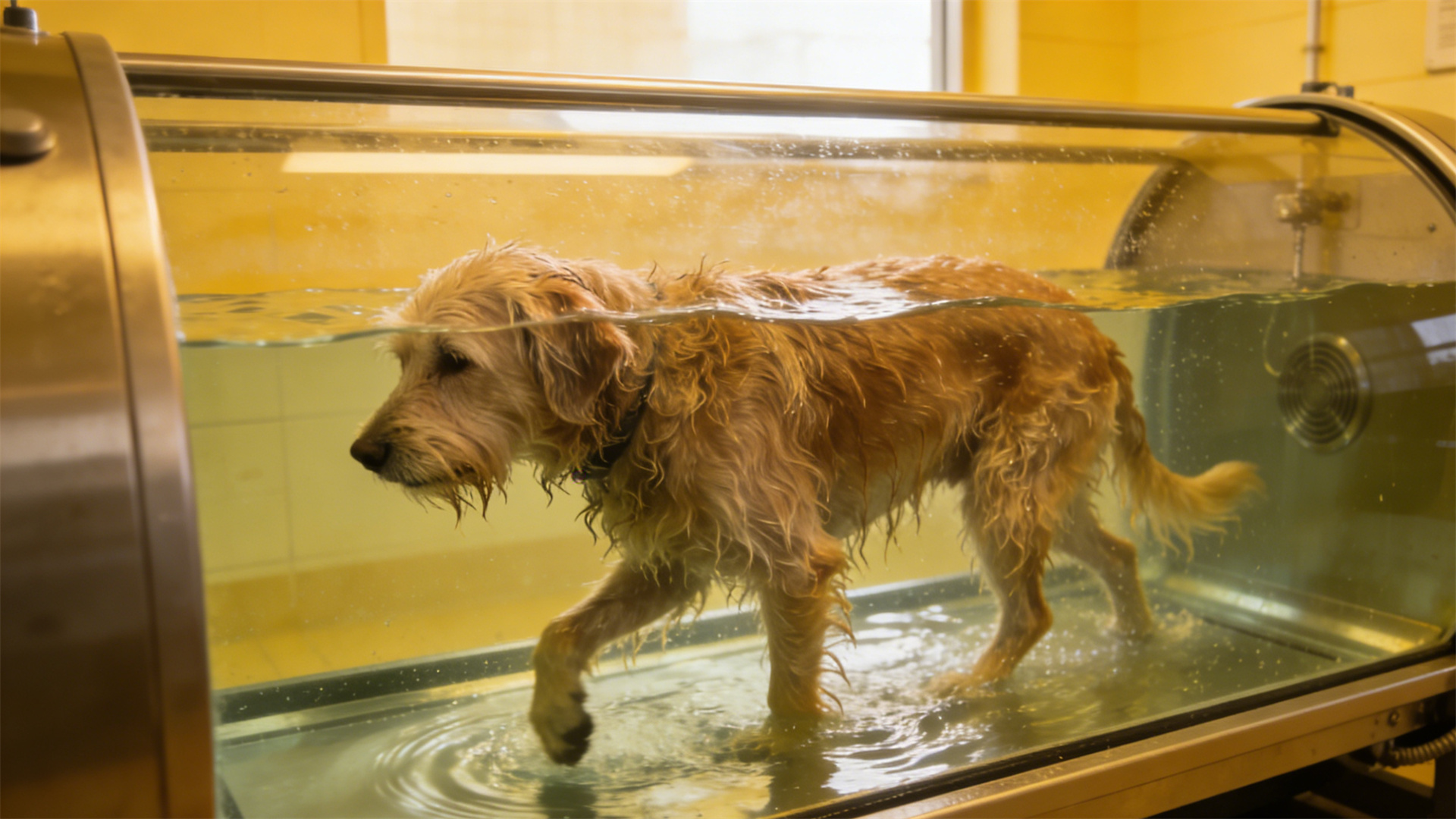
Gentle exercise: Indoor water treadmill rehabilitation program suitable for senior dogs
The golden years with a senior dog are a precious time, filled with shared memories and a deepened bond. As our canine companions age, we naturally seek ways to keep them comfortable, mobile, and engaged with life. Witnessing a once-sprightly dog slow down due to arthritis, muscle loss, or general stiffness can be heart-wrenching for any pet owner. The desire to help is strong, yet the fear of causing further injury with traditional exercise is real. This is where modern veterinary rehabilitation offers a transformative solution: the indoor water treadmill program. Tailored specifically for the needs of aging canines, this therapy provides a gateway to gentle exercise, pain relief, and improved quality of life. This comprehensive guide will explore the profound benefits, practical process, and hopeful future of indoor water treadmill rehabilitation for your cherished senior dog.
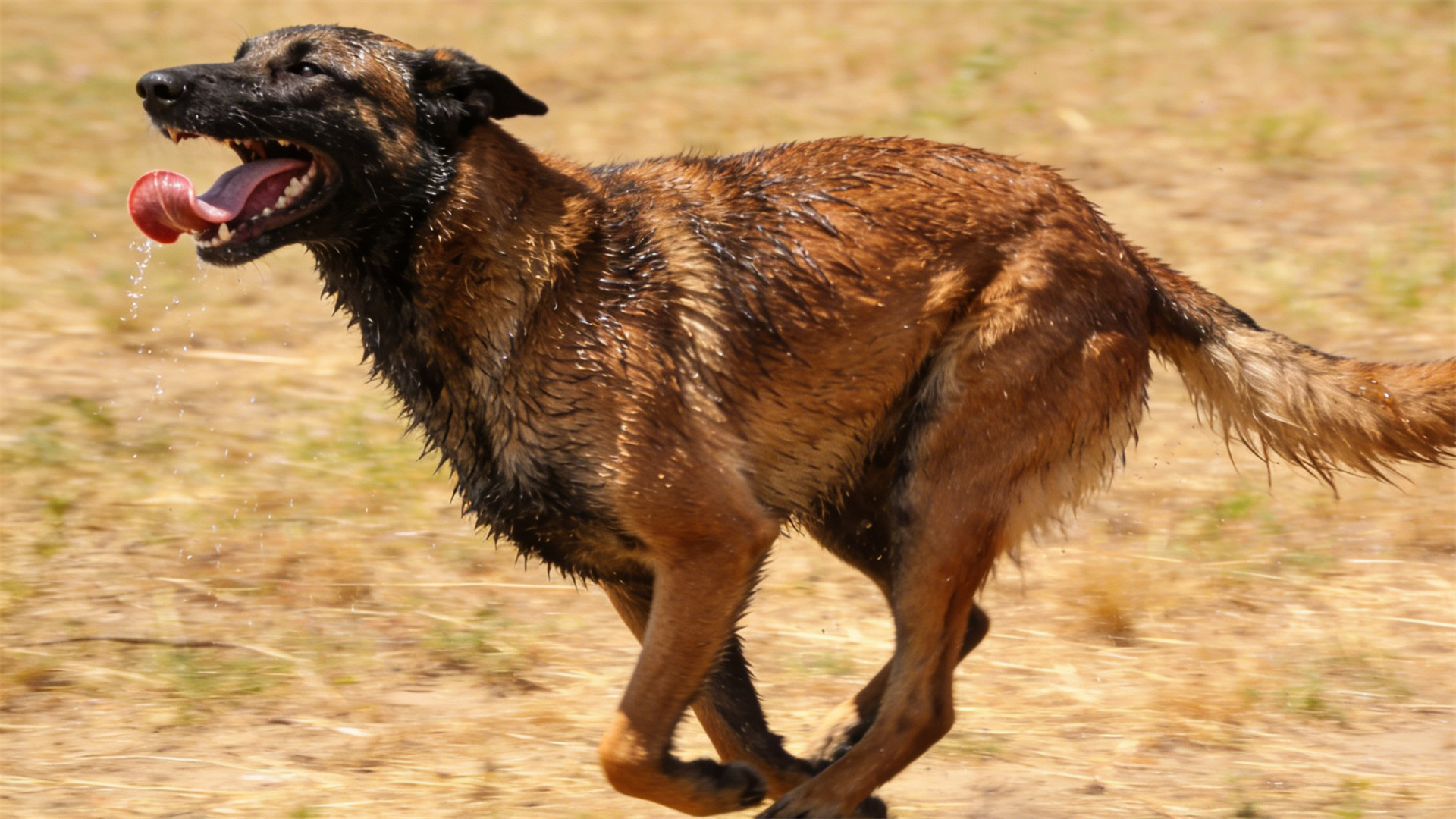
Physical recovery for working dogs: the science of electrolyte replenishment after high-intensity exercise
In the world of canine athletes, victory and reliability are forged not only in the intensity of the work but in the quality of the recovery that follows. For the working dog—be it a police K9, a search-and-rescue hero, an agility champion, or a dedicated sport partner—high-intensity exercise is a routine demand. While we meticulously plan their training and fuel their drive, the science of physical recovery, particularly electrolyte replenishment for dogs, is often the unsung hero of sustained performance and long-term health. This article delves beyond simple hydration, exploring the critical physiological processes and providing a practical, evidence-based roadmap for optimizing your canine partner's post-work reset.
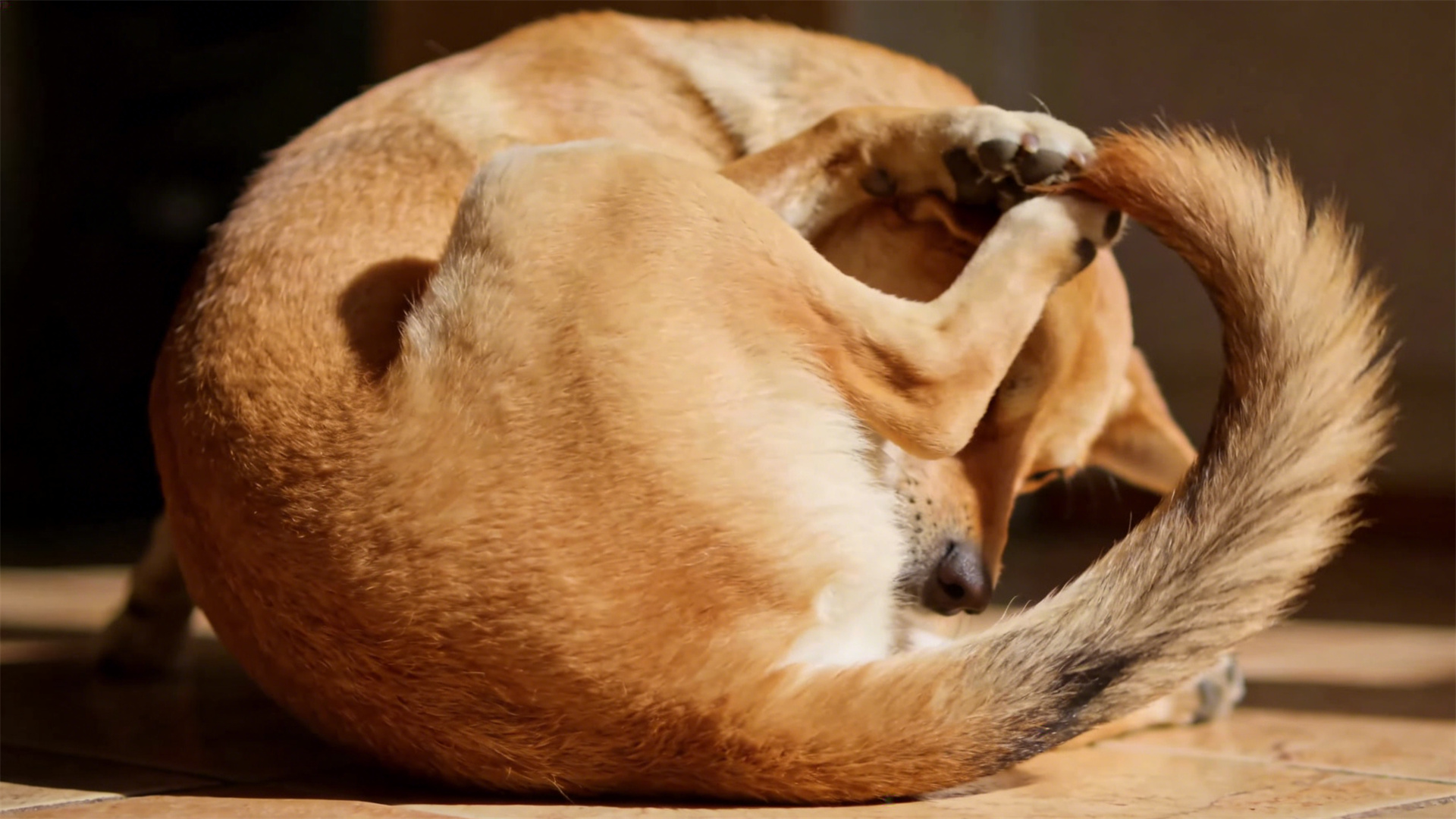
Compulsive behaviors (such as tail chasing): Is it naughtiness or brain damage?
As a dog owner, few sights are as simultaneously amusing and perplexing as watching your dog spin in frantic circles, determined to catch that elusive tail. It’s a classic canine quirk, often laughed off as a moment of goofy antics. But when the spinning becomes a daily ritual, when it intensifies to the point of exhaustion or injury, that amusement can quickly curdle into concern. Is this just a naughty phase, a silly habit? Or could it be a red flag for something more serious, like brain damage or a neurological disorder? Understanding the stark difference between playful behavior and a pathological compulsion is not just academic—it’s crucial for the long-term health and happiness of your four-legged family member.