The landscape of canine nutrition is undergoing a profound transformation. Gone are the days when a dog treat was merely a crunchy biscuit or a generic chew. Today's health-conscious pet parent demands more—functionality, transparency, and exceptional taste, all in one package. At the forefront of this revolution is a surprising yet perfectly positioned product: dog cheese. Far from a passing fad, this segment is projected for explosive growth, evolving into a sophisticated category that masterfully balances essential health benefits with irresistible palatability. This article delves into the nutritional evolution, the science of taste, and the market trends driving this boom, empowering you to make the most informed choices for your canine companion.
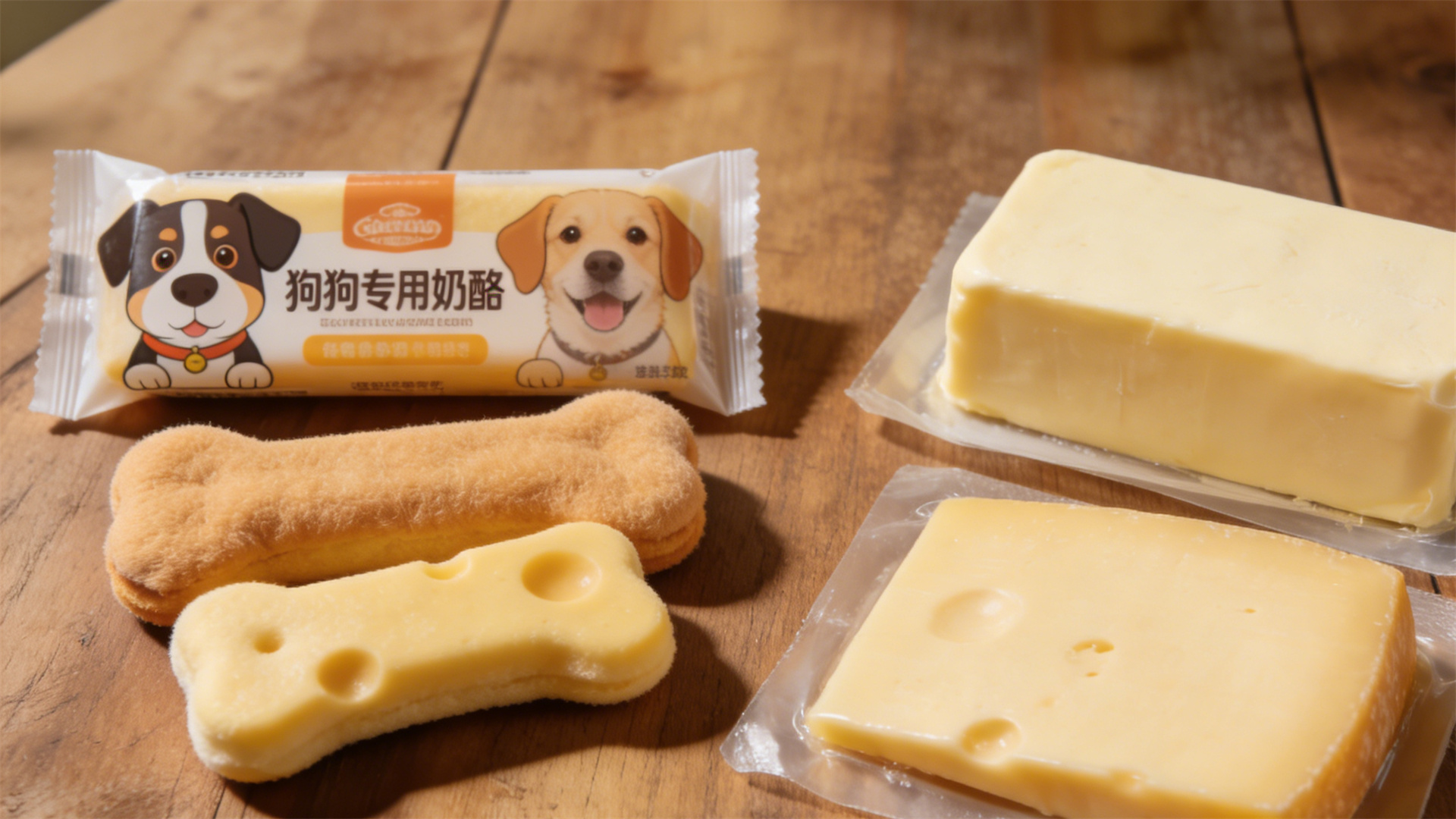
🧀 Pillar One: The Nutritional Evolution - Beyond Basic Treats to Functional Powerhouses
The modern dog treat is no longer just a reward; it's an opportunity for targeted health support. This shift from "empty calories" to functional nutrition is the core engine driving the premium treat market, with dog cheese leading the charge as a versatile delivery system for crucial nutrients.
The Critical Role of Bioavailable Calcium
Calcium is synonymous with bone health, but its importance extends far beyond puppies. For large and giant breed puppies, controlled levels of highly absorbable calcium are vital for proper skeletal development, helping to mitigate risks like hypertrophic osteodystrophy. For senior dogs, maintaining bone density and supporting joint function becomes paramount in combating arthritis and mobility issues. High-quality dog cheese utilizes bioavailable calcium—a form easily absorbed and utilized by the canine body—making it a superior choice over some synthetic supplements or calcium-rich vegetables that dogs poorly digest.
Dog Cheese vs. Human Cheese: A Critical Distinction
This is the non-negotiable foundation. Special Reminder: The cheese in your fridge is not for your dog. Standard human cheeses are laden with dangers:
- Excessive Fat & Salt: Can lead to pancreatitis, obesity, and sodium ion poisoning.
- Lactose: Many adult dogs are lactose intolerant, leading to digestive upset.
- Additives: Onions, garlic, herbs, or artificial flavors can be toxic.
Formulated dog-specific cheese is engineered from the ground up to avoid these pitfalls, transforming a risky human snack into a safe, healthy canine functional treat.
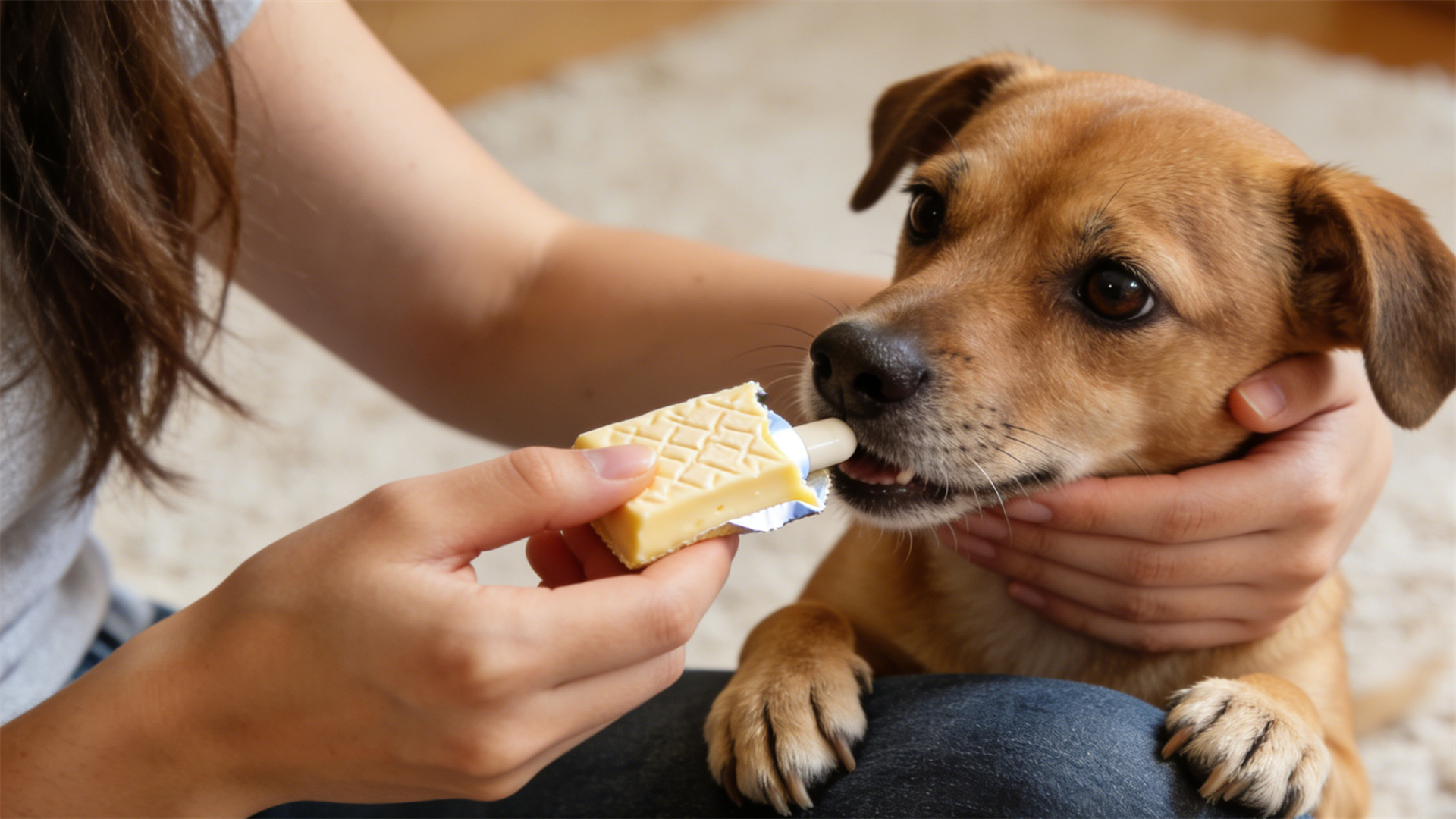
😋 Pillar Two: Palatability as the Gateway to Consistent Health
A nutritious treat is useless if a dog refuses to eat it. The extreme palatability of cheese is its secret weapon, serving as a powerful gateway to better health outcomes through compliance and enjoyment.
The Science of Canine "Yum"
Dogs have taste receptors for umami—the savory, meaty, "delicious" flavor profile. Cheese is a natural umami bomb. This inherent deliciousness makes it a high-value tool for:
Medication Compliance: Hiding pills becomes effortless.
Picky Eater Solutions: A small amount grated over food can encourage finicky dogs to finish their meals.
Training Excellence: Its potent value makes it ideal for critical reinforcement.
Creative Applications for Pet Parents
Think beyond the single-ingredient chew. The market is blossoming with:
Frozen Topplers: Blend dog cheese with pumpkin or blueberries, freeze in a Kong for mental stimulation.
Training Sprinkles: Use a microplane to grate hard dog cheese into a powder for low-calorie, high-reward training.
Palatability Comparison: Content like video "taste tests" can help owners identify which functional formula their dog loves most, ensuring the health benefits are actually consumed.
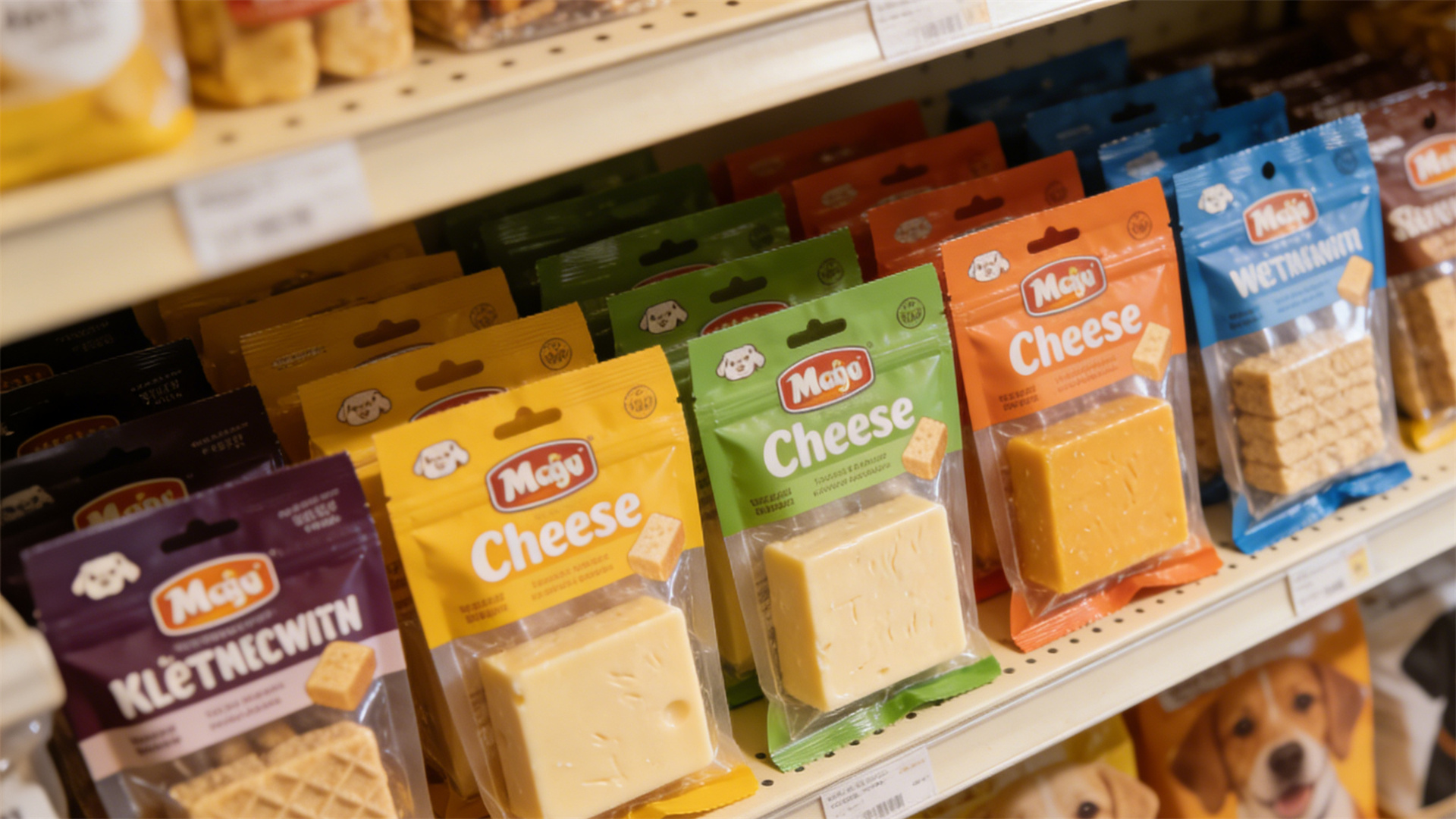
⚖️ Pillar Three: The Health-First Formulation - Innovation Addressing Core Concerns
The 2026 market leaders won't just be tasty; they will be triumphs of veterinary nutritional science, directly addressing the historical concerns associated with dairy for dogs.
Lactose Intelligence & Digestive Support
Innovators are moving beyond cow's milk. Goat milk and sheep milk cheese options, naturally lower in lactose and containing different protein structures, are becoming mainstream. Furthermore, the strategic addition of probiotics (like Bacillus coagulans) and prebiotics directly supports a healthy gut microbiome, turning a potential digestive stressor into a digestive aid.
Salt, Calories, and Clean Labels
"No salt added," "low-fat," and "calorie-controlled" are becoming standard claims. The focus is on clean label ingredients—recognizable, minimal, and purpose-driven. This aligns with the broader demand for transparency and whole-food nutrition in pet products.
Debunking the Dairy Myth
The blanket statement "dairy is bad for dogs" is outdated. The truth is nuanced: Many dogs can happily and healthily digest specially formulated, lactose-minimized dairy products. The key is choosing products designed for their physiology and introducing them gradually.
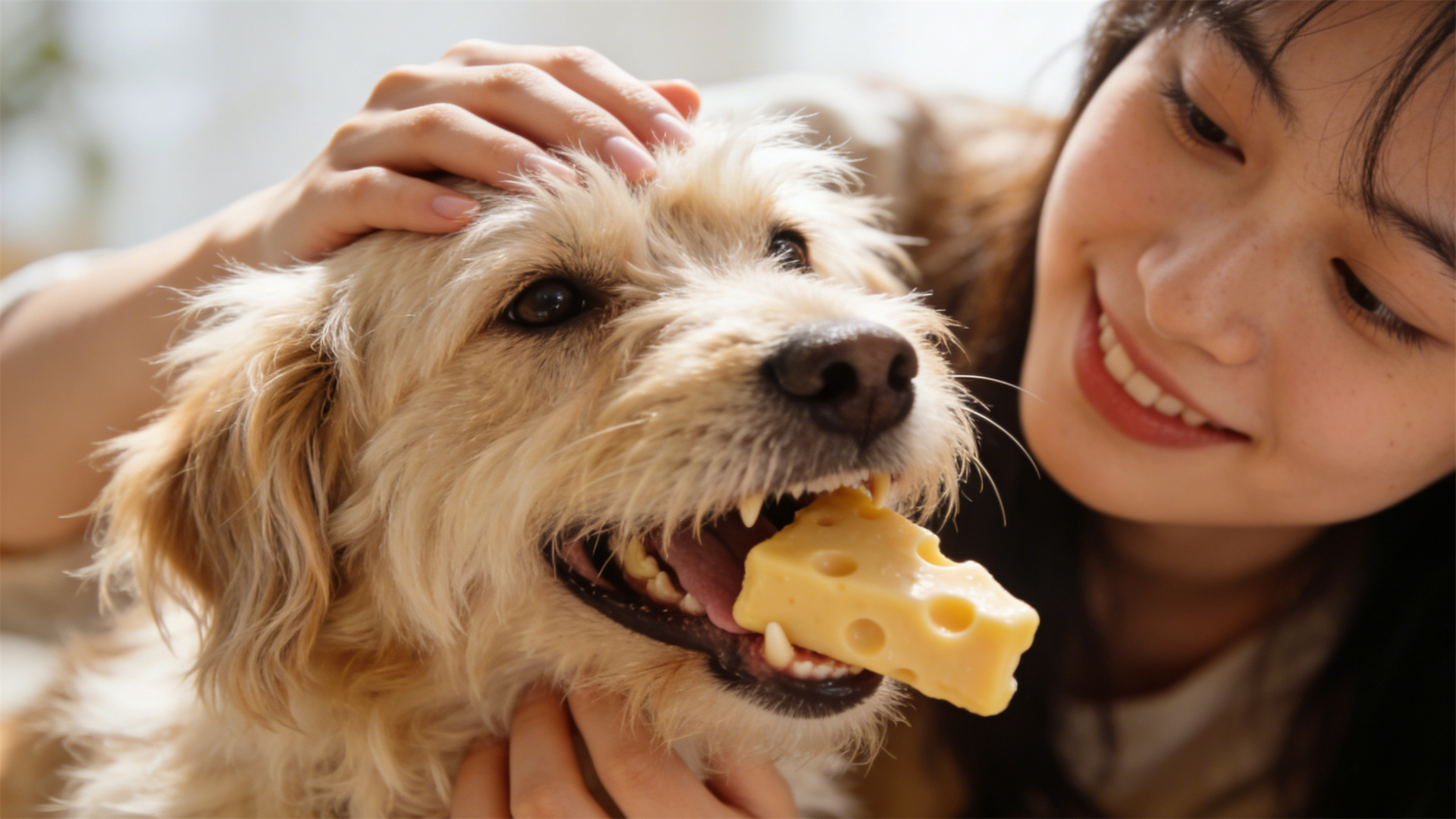
📈 Pillar Four: Market Trends and Empowered Owner Education
The projected explosive growth of the dog cheese market by 2026 is fueled by macro-trends reshaping the entire pet industry.
Growth Drivers: Humanization & Premiumization
Pet Humanization: Owners seek the same quality, variety, and functional benefits in pet food as in their own. Premiumization: Willingness to pay more for superior, specialized nutrition. Preventive Health: Using diet to proactively support wellness, reducing long-term veterinary costs.
How to Be a Savvy Shopper: A Mini-Guide
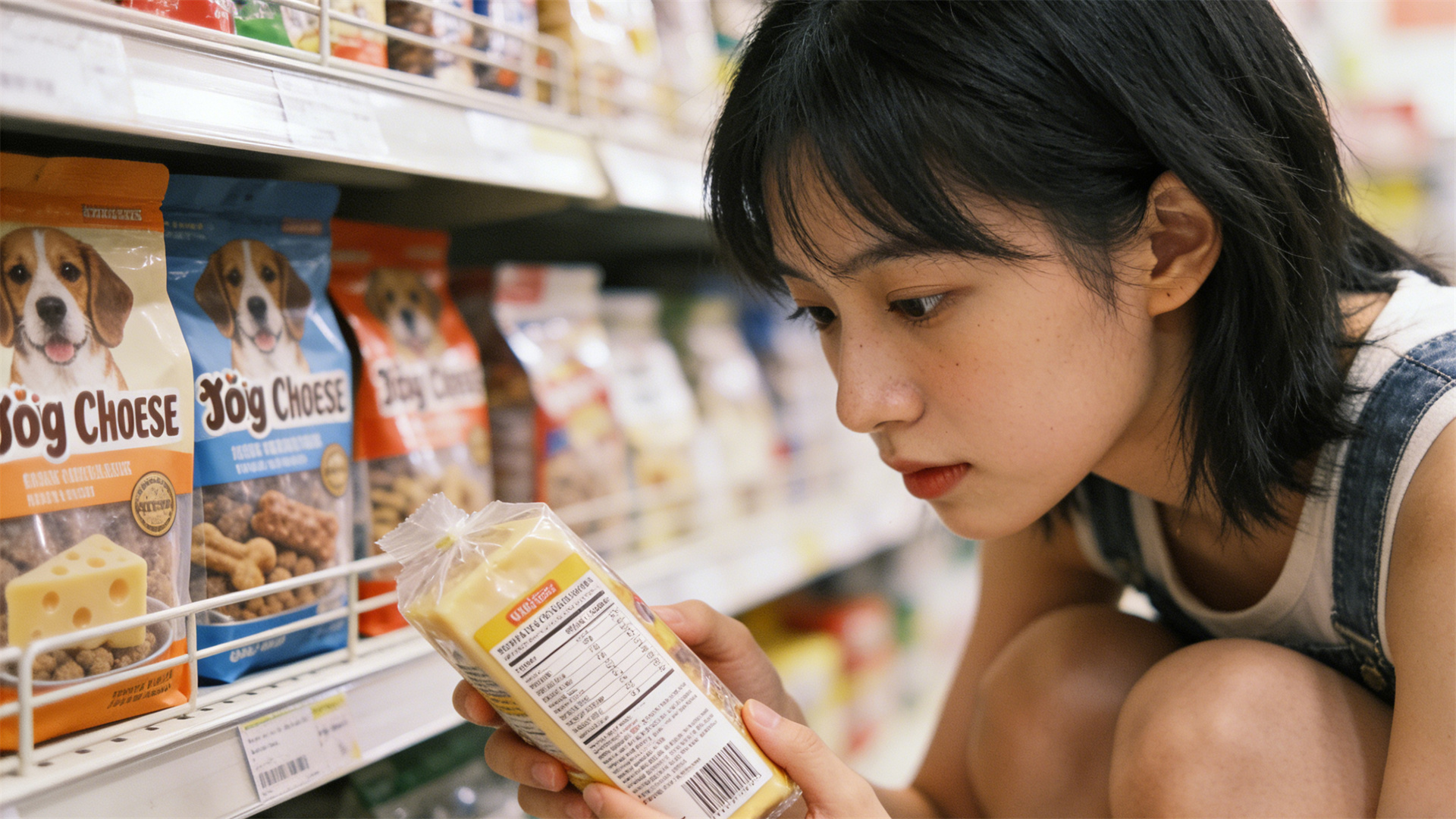
Navigating the growing shelf requires a critical eye. Here’s what to look for:
- Protein Source: Goat, sheep, or cultured cow milk may be easier to digest.
- Lactose Content: Look for "lactose-free" or "low-lactose" claims.
- Sodium: The label should list sodium content. Aim for minimal levels.
- Additives: Avoid artificial preservatives, flavors, or colors.
- Functional Add-Ins: Probiotics, glucosamine, or omega-3s add extra value.
- Always: Consult your veterinarian, especially for dogs with weight, kidney, or specific health conditions.
The Future is Balanced
The rise of the dog cheese market is a testament to a more sophisticated, caring, and informed era of pet ownership. It represents the perfect storm of demand: a health-forward formulation, an unparalleled flavor profile that ensures consumption, and a market ready to invest in longevity and quality of life for their pets. By 2026, we can expect this category to be rich with innovation—targeted formulas for seniors, puppies, and sensitive systems, all upholding the golden standard: optimal nutrition delivered through irresistible taste.
Disclaimer: This article is for informational purposes only and is not a substitute for professional veterinary advice. Always consult with your veterinarian before introducing any new food or treat into your dog's diet, particularly if your dog has existing health conditions, allergies, or is on medication. Introduce any new treat slowly and in moderation.