🐕 19. Dalmatian
[Risk Factor] Possesses extremely high energy levels, and some individuals suffer from congenital hearing defects and a tendency toward irritability. Dalmatians gained immense popularity thanks to the movie *101 Dalmatians*, but in reality, they are high-intensity working dogs. Approximately 30% of Dalmatians suffer from congenital deafness; dogs that cannot hear are more prone to sudden, fear-induced attacks. Additionally, they require extensive running and exercise; without it, they can become anxious—exhibiting surprisingly destructive behavior—and may display impatience toward children.
🐕 20. Pekingese
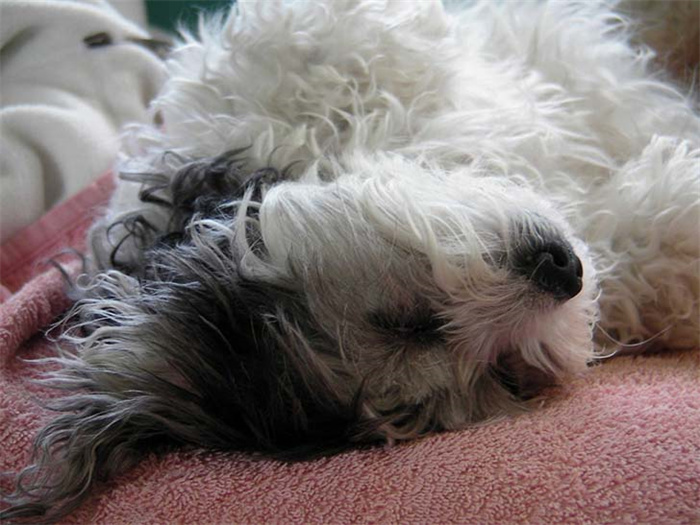
[Risk Factor] Possesses the proud temperament of an ancient palace dog and cannot tolerate rough handling. The Pekingese was once a royal pet, and it retains an innate sense of haughtiness and stubbornness.
They strongly dislike being constantly carried around or having their fur pulled by children; if provoked, they will not hesitate to bite. Furthermore, due to their small size, bites often occur on a child's face. Additionally, their prominent eyeballs are particularly vulnerable to injury, so families must exercise extra caution regarding how children interact with them.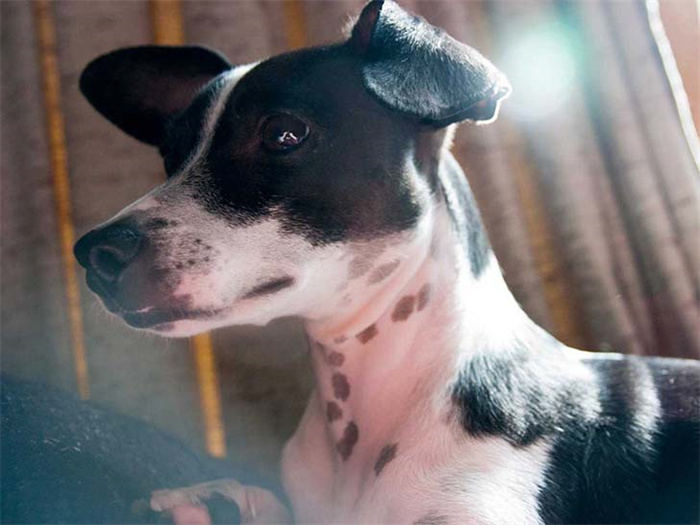
🐕 21. Shar-Pei
[Risk Factor] Skin folds are prone to inflammation; they become irritable and aggressive when in pain. The Shar-Pei's wrinkled appearance is quite distinctive, but it also presents potential health risks. They are prone to entropion (inverted eyelids) and infections within their skin folds; the resulting chronic pain can make a Shar-Pei abnormally sensitive and irritable, potentially leading them to lash out at children who approach them. Moreover, they possess a naturally high level of alertness and tend to be aloof toward strangers, making them a breed best suited for owners with extensive experience in dog handling.