🐕 22. Scottish Terrier
[Risk Factor] Independent and stubborn; reacts intensely to things it dislikes. The Scottish Terrier is a quintessential "opinionated" breed that does not compromise easily. If a child attempts to forcibly pick one up or intrude upon its alone time, a Scottish Terrier may turn around and bite in an instant—often without giving any warning signals. They maintain a reserved attitude toward strangers, so it is advisable to keep the dog separated when guests visit the home to prevent potential conflicts.
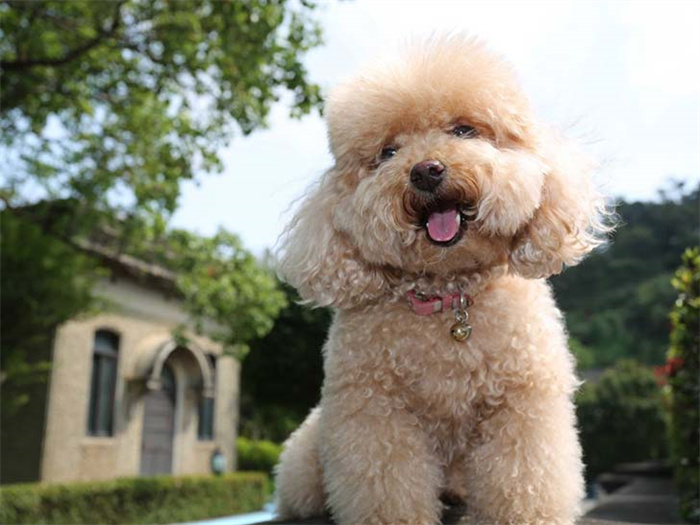
🐕 23. Airedale Terrier
[Risk Factor] The largest of the terrier breeds; possesses great strength and a combative nature. Known as the "King of Terriers," the Airedale is intelligent and courageous, but it also possesses a correspondingly higher level of aggression. They are particularly unfriendly toward other dogs; while out for walks, they may easily break free from their leash to fight with other canines—and in the ensuing struggle, they could potentially knock over children or elderly individuals. In a home environment, these dogs require an owner who exercises absolute authority; otherwise, they may challenge the hierarchical status of other family members.
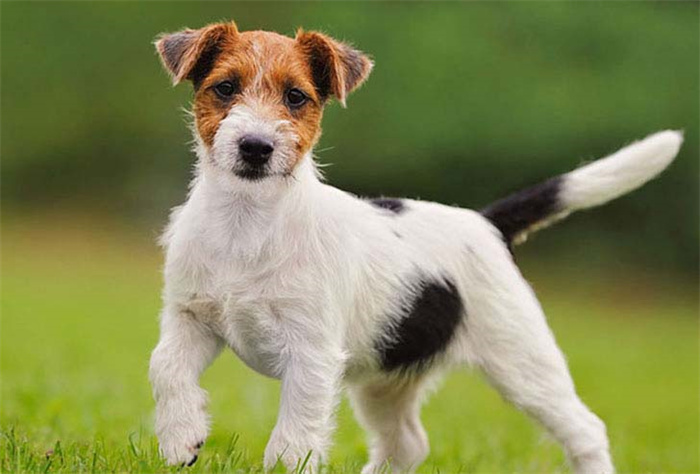
🐕 24. Italian Greyhound
[Risk Factor] Extremely delicate bone structure; highly susceptible to fractures during play, especially involving children. Italian Greyhounds are small in stature with long, slender legs—elegant yet sensitive creatures. Their bones are incredibly fragile; even an enthusiastic hug from a child or a simple jump off a sofa can result in a fracture—an injury that is both painful for the dog and expensive to treat. Furthermore, they have zero tolerance for rough play; if startled or handled roughly, they may struggle and bite. Keeping an Italian Greyhound in a household with young children requires extreme caution.