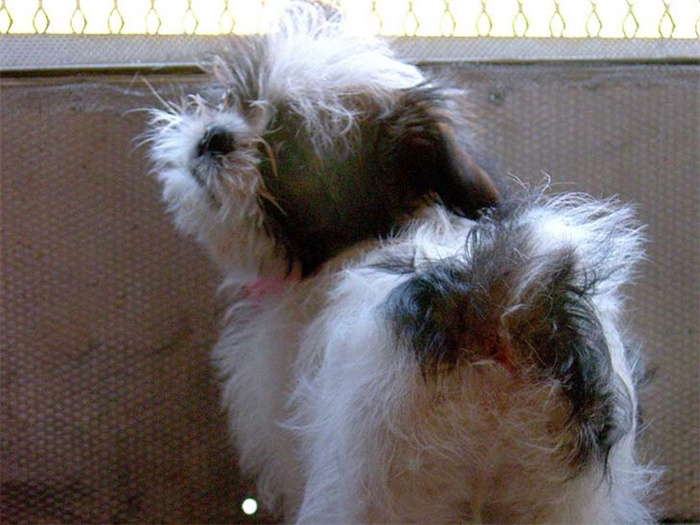
🐕 16. Boxer
[Risk Factor] Possess boundless energy and a tendency to jump and pounce, making it easy for them to knock over toddlers and the elderly. Boxers are renowned for their playful nature and loyalty, yet they retain a puppy-like enthusiasm even into adulthood. They enjoy using their front paws to pounce on people as a sign of affection; while this behavior may be tolerable for adults, it is sufficient to cause toddlers or the elderly to fall and sustain injuries. Furthermore, Boxers possess a strong territorial instinct and may exhibit aggressive tendencies toward unfamiliar dogs, necessitating rigorous socialization training from a young age.
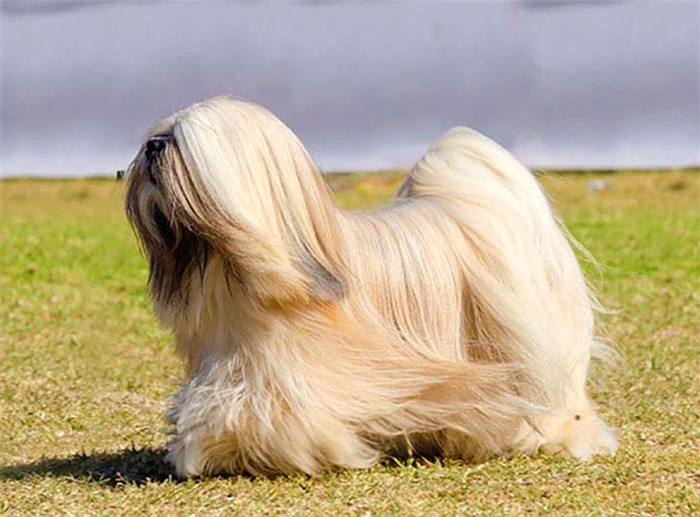
🐕 17. Pug
[Risk Factor] Due to their unique physical structure, they are prone to injury—and may retaliate—if handled roughly by children. Pugs may appear gentle and adorable, but their bulging eyeballs and compressed airways are extremely fragile. Children, driven by curiosity, may press on the dog's eyeballs or tug at its facial wrinkles; such actions inflict severe pain upon the Pug...thereby triggering defensive biting. Furthermore, Pugs can become irritable when overheated or experiencing breathing difficulties; if pestered by children during such times, the risk of an incident rises significantly.
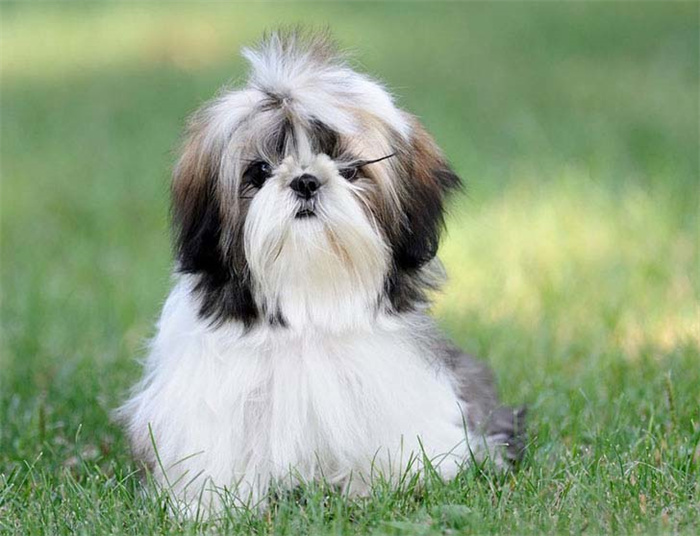
🐕 18. Bedlington Terrier
[Risk Factor] Resembles a little lamb in appearance, but is actually a brave and combative terrier. With their soft, curly coats and gentle demeanor, Bedlington Terriers are often mistakenly perceived as completely non-aggressive. However, they retain the combative nature typical of terriers; they may actively provoke other small animals (or even unfamiliar dogs) and, once they bite, refuse to let go. In a home environment, they are fiercely possessive of their territory and toys, making them unsuitable for households with multiple pets or very active young children.