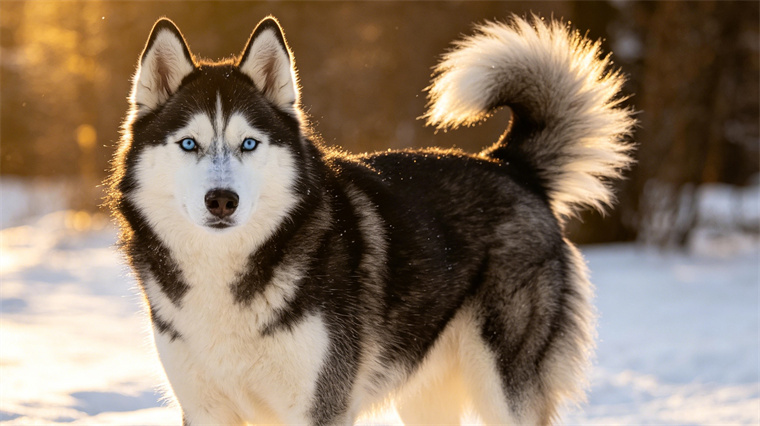
🐕 7. Siberian Husky
[Risk Factor] High emotional needs; may compete with children for attention out of jealousy. The Siberian Husky serves as an excellent example of yet another high-energy dog breed. Known for their affectionate nature, they are typically fiercely loyal to their owners and crave regular attention and companionship. That said, due to their intense need for affection, they may occasionally experience feelings of jealousy when children are present—as they may perceive themselves to be competing with the children for your attention. This jealousy may manifest as barking, snatching away a child's toys, or even physically nudging an infant out of the way. Fortunately, this breed is highly trainable, which allows us to effectively manage and correct such behaviors.

🐕 8. Affenpinscher
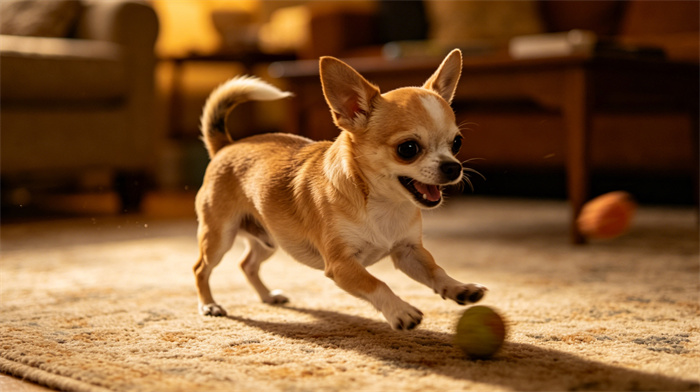
[Risk Factor] Small stature; easily mistaken for a toy by children and treated roughly. Affenpinschers are renowned for their boundless energy and lively, mischievous nature. Due to their diminutive size, young children may mistake them for toys, leading to overly rough interactions where they forget that these are, in fact, living animals. Such rough handling causes stress for the dog; once feeling anxious or overwhelmed, an Affenpinscher may display aggression—a reaction that is clearly incompatible with the unpredictable behavior patterns of young children. They may snap back and bite a child's fingers or face if subjected to a forceful hug.
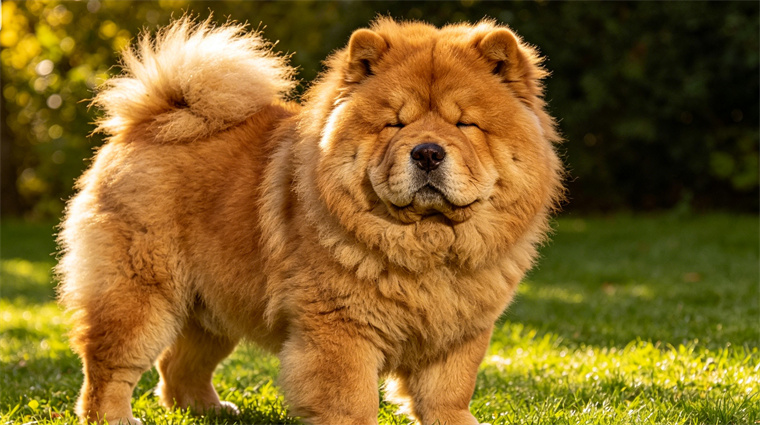
🐕 9. Chow Chow
[Risk Factor] Resembles a plush toy in appearance, yet possesses an independent temperament and exhibits few warning signs before attacking. With their dense coats and sturdy build, Chow Chows often appear to children as life-sized plush toys. However, if they feel threatened, they may become aggressive; furthermore, given their substantial size, they can inadvertently knock over objects—or even knock down a young child. More dangerously, Chow Chows provide very few warning signs before attacking (rarely growling beforehand) and often proceed directly to biting. Additionally, they possess an intense desire for constant attention and affection, which may lead them to "compete" with your children for your time and care.