🐕 10. Afghan Hound
[Risk Factor] Strong-willed and independent; requires an experienced owner. Afghan Hounds are naturally strong-willed and independent, meaning they require a confident and experienced owner capable of providing leadership and discipline in a firm yet loving manner. Although their somewhat willful nature can occasionally lead to chaotic moments—particularly when interacting with young children—with a gentle approach and consistent training, they can certainly be raised to become well-mannered companion dogs. However, they possess a strong prey drive triggered by sudden noises and fast-moving objects; they may instinctively lunge after running children, potentially causing them to fall and sustain injuries. Furthermore, they tend to be highly impatient with children's hugs and physical affection, and may respond by jerking their heads away or baring their teeth as a warning.

🐕 11. Dachshund
[Risk Factor] Fragile spine; stubborn temperament and prone to irritability due to back pain. Despite their small stature, Dachshunds possess the stubbornness and courage typical of hounds. They are highly wary of strangers and frequently bark to sound the alarm. More critically, they are highly susceptible to intervertebral disc disease, and the resulting back pain can make them exceptionally irritable. If a young child accidentally touches their back or attempts to pick them up incorrectly, the dog may snap back and bite. Additionally, they tend to be highly possessive of their toys and food; food guarding behavior is quite common among Dachshunds.
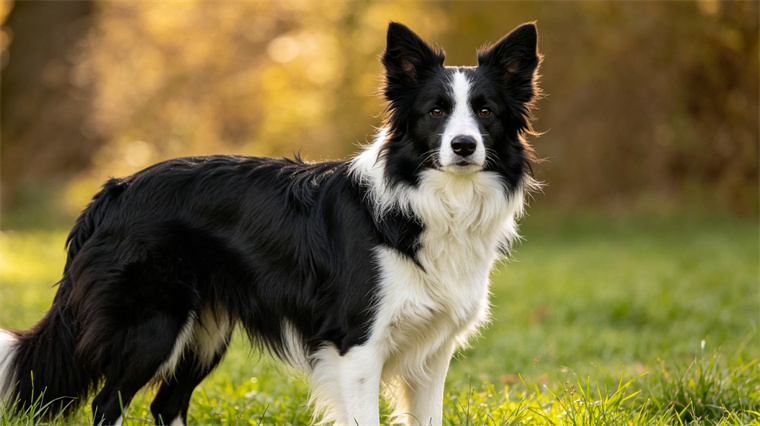
🐕 12. Border Collie
[Risk Factor] Extremely high intelligence; however, their herding instincts may cause them to treat children as "sheep" to be managed. Border Collies are widely recognized as the most intelligent dog breed, yet this very trait can pose specific risks within a home environment.
They will chase, herd, and even lightly nip at the heels of running children in an attempt to "herd" them. This instinctive behavior is not an act of aggression, but it is sufficient to startle a young child and cause them to fall. Furthermore, they have an immense need for physical activity; when left idle, they may develop compulsive behaviors (such as chasing shadows or spinning in circles), which can disrupt the harmony of the household.