
You May Have Missed
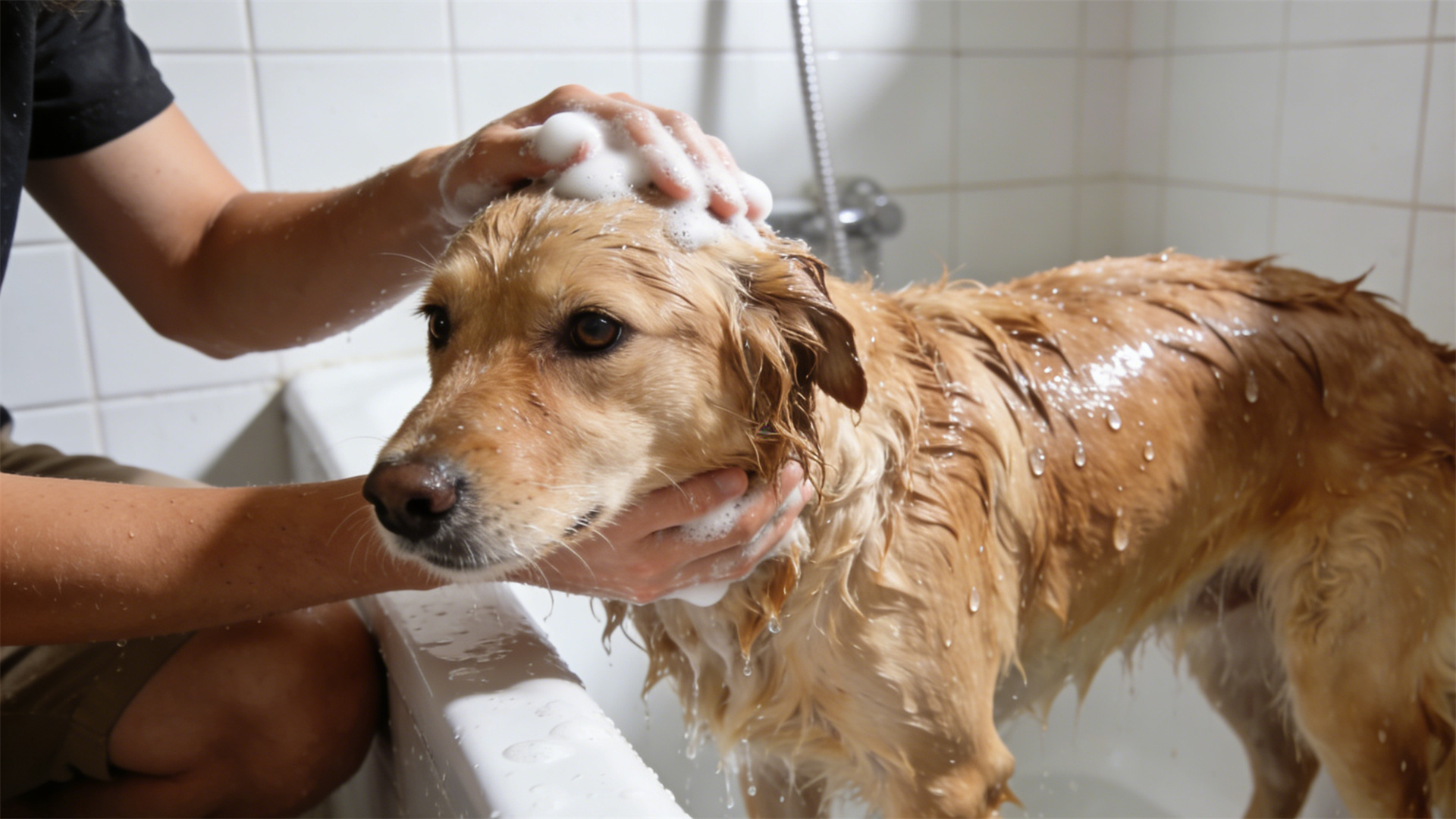
Dog conditioner and nourishing hair mask: A scientific solution for repairing dry hair.
You run your fingers through your dog's coat, expecting to feel the soft, plush fur of your memories. Instead, your hand meets a coarse, brittle texture. You notice more hair than usual on the couch, the rug, and your clothes. The vibrant shine is gone, replaced by a dull, lackluster appearance. Dry, damaged dog hair is a common and frustrating problem for pet parents, signaling that your canine companion's coat is in distress. Modern canine hair care has evolved far beyond a simple shampoo. Just as we use targeted treatments for our own hair, our dogs benefit from a scientific approach. Enter the dynamic duo of modern dog grooming essentials: the dog conditioner and the intensive nourishing hair mask for dogs. This article will delve into the science behind these products and provide a comprehensive guide to transforming your dog's coat from dry and brittle to healthy and vibrant.
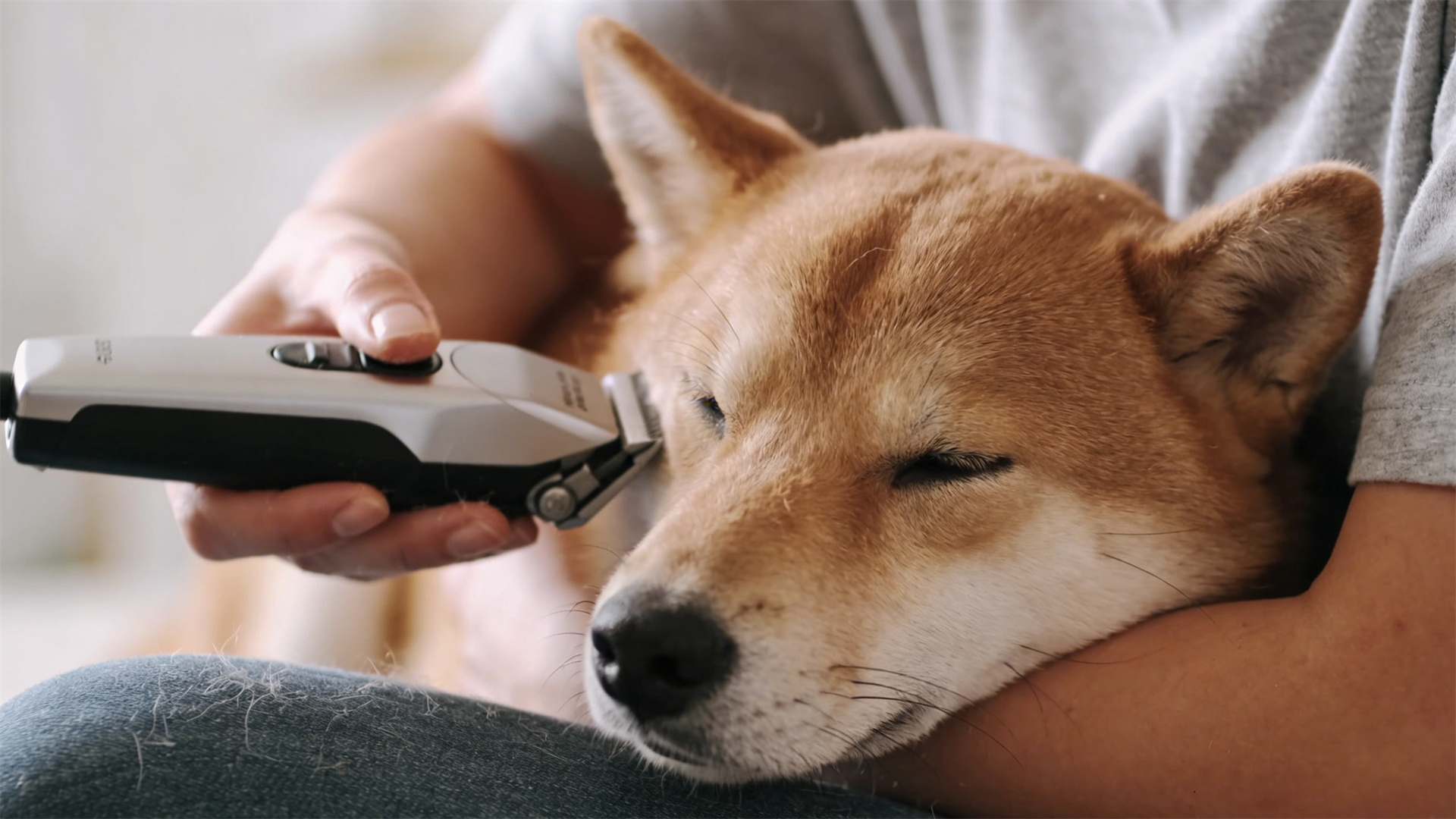
Silent electric shears technology
You know the scene all too well. The moment the box is pulled from the closet, a familiar, ominous buzz fills the air. Instantly, your normally happy-go-lucky Labrador vanishes under the bed. Your stoic Shih Tzu begins to tremble. The grooming session hasn't even begun, and already, it’s a battle fueled by fear and noise-induced panic. For countless dogs and their caring owners, the harsh, grating sound of traditional clippers turns a necessary act of care into a traumatic ordeal.
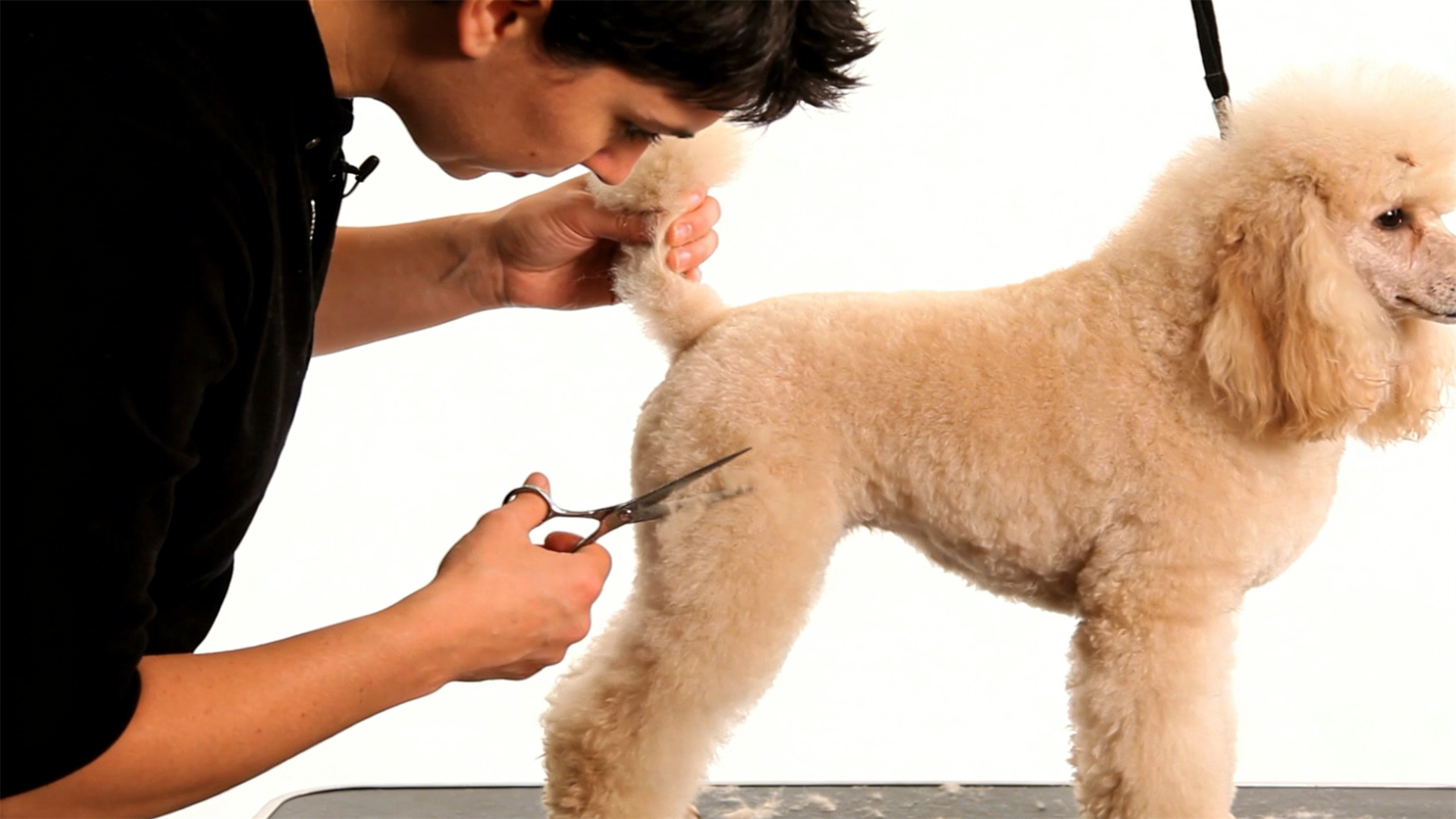
Classic beauty styles
In the ever-evolving world of dog care, where trends come and go, there exists a realm of **timeless canine beauty**—a collection of classic beauty styles that have withstood the test of time. These looks are not mere haircuts; they are living art forms, steeped in history, breed purpose, and a profound respect for the dog's form. For dog owners, grooming enthusiasts, and breed aficionados, understanding these classic dog grooming styles is to appreciate the very heritage of purebred dogs. This guide will delve into the world of enduring elegance, exploring the iconic clips, natural profiles, and the meticulous historic grooming techniques that define classic beauty styles for generations.
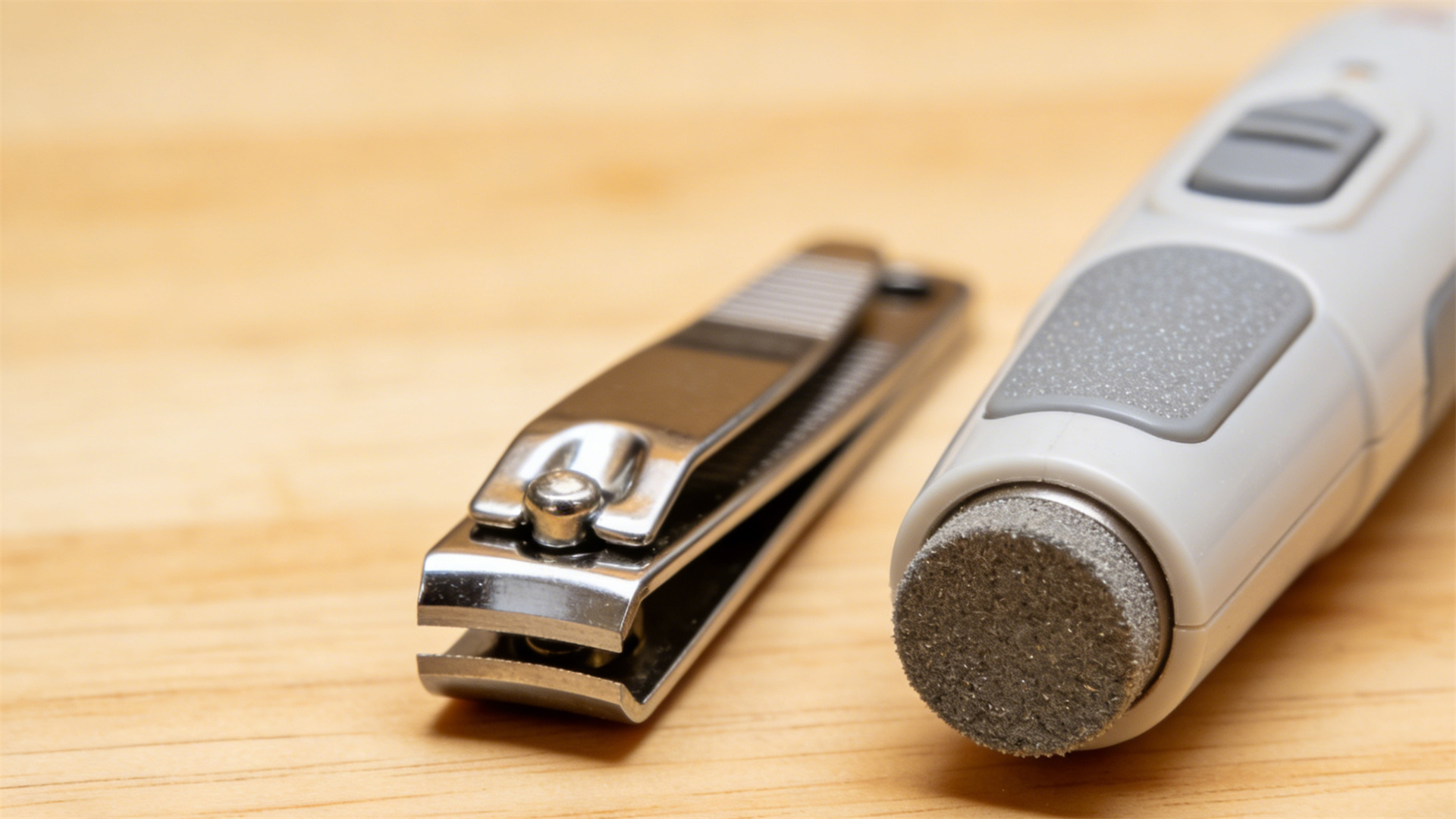
Dog nail trimming tool review: Traditional clippers vs. electric nail file
If there's one grooming task that universally gives dog owners a pang of anxiety, it's nail trimming. The fear of hitting the quick, the struggle with a wiggly pet, and the sheer uncertainty can turn a simple health maintenance routine into a dreaded event. Yet, keeping your dog's nails at a proper length is not just Grooming; it's crucial for their posture, joint health, and overall comfort. The good news is, you have more than one option to accomplish this vital care. This comprehensive dog nail trimming tool review will objectively pit the time-tested traditional clippers against the modern electric nail file. Our goal is to arm you with all the knowledge you need to choose the best method for your unique canine companion, making the process safer, less stressful, and more effective for everyone involved.
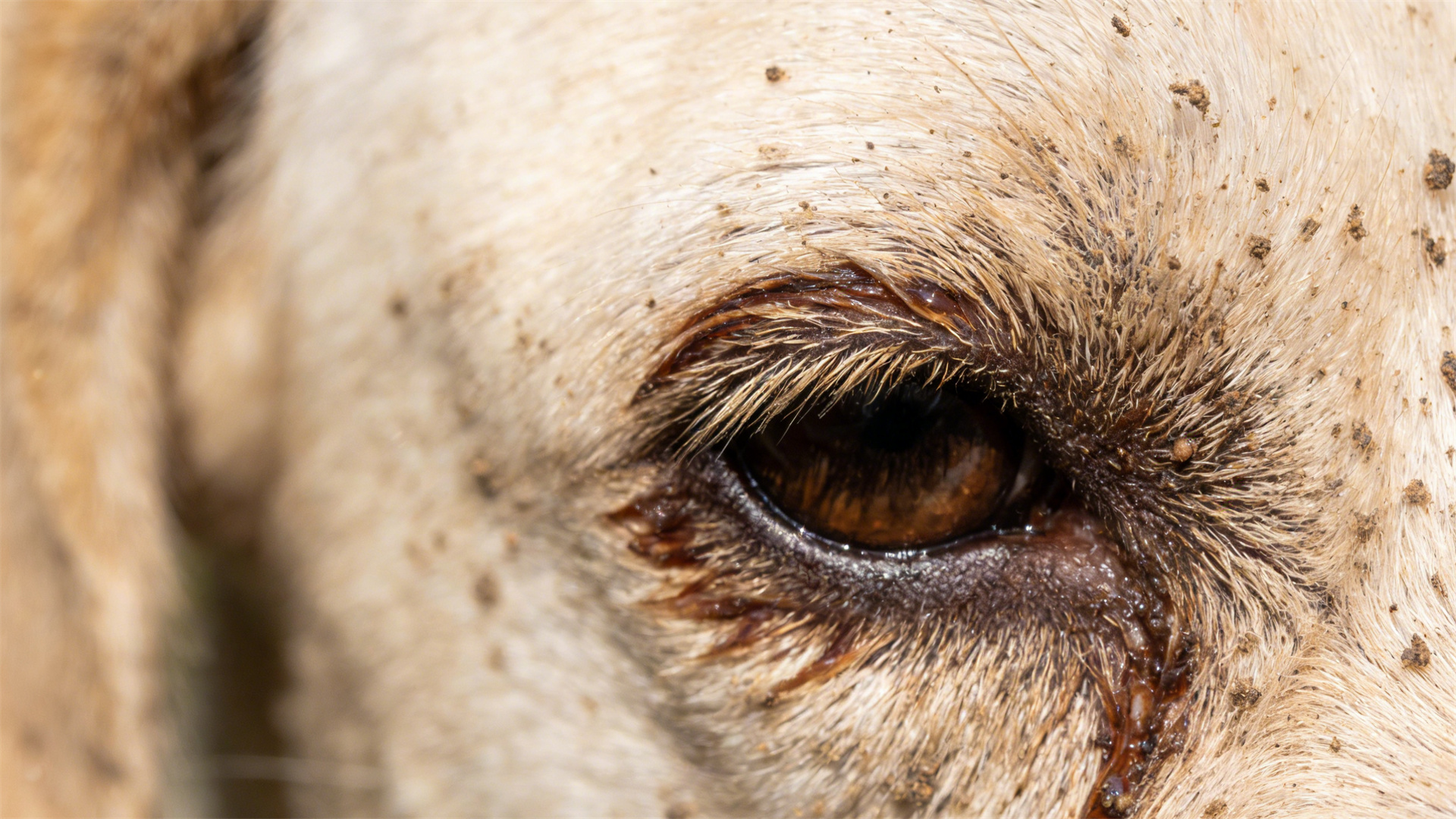
Home facial grooming: Not only does it look good, but it also scientifically cleans up hair around the eyes and mouth.
Welcome, fellow dog lovers and dedicated caretakers. ✨ In the world of canine companionship, we often focus on walks, nutrition, and cuddles, but there's a nuanced aspect of care that sits right at the intersection of health and aesthetics: home facial grooming. This is not a frivolous activity reserved for show dogs; it is a critical, science-backed hygiene practice that directly impacts your dog's comfort, health, and quality of life. Let's move beyond the simple desire for a photogenic pup and delve into the why and how of maintaining a clean, clear facial region. By understanding the biology at play and mastering safe techniques, you can prevent a host of issues and strengthen the bond with your furry friend.
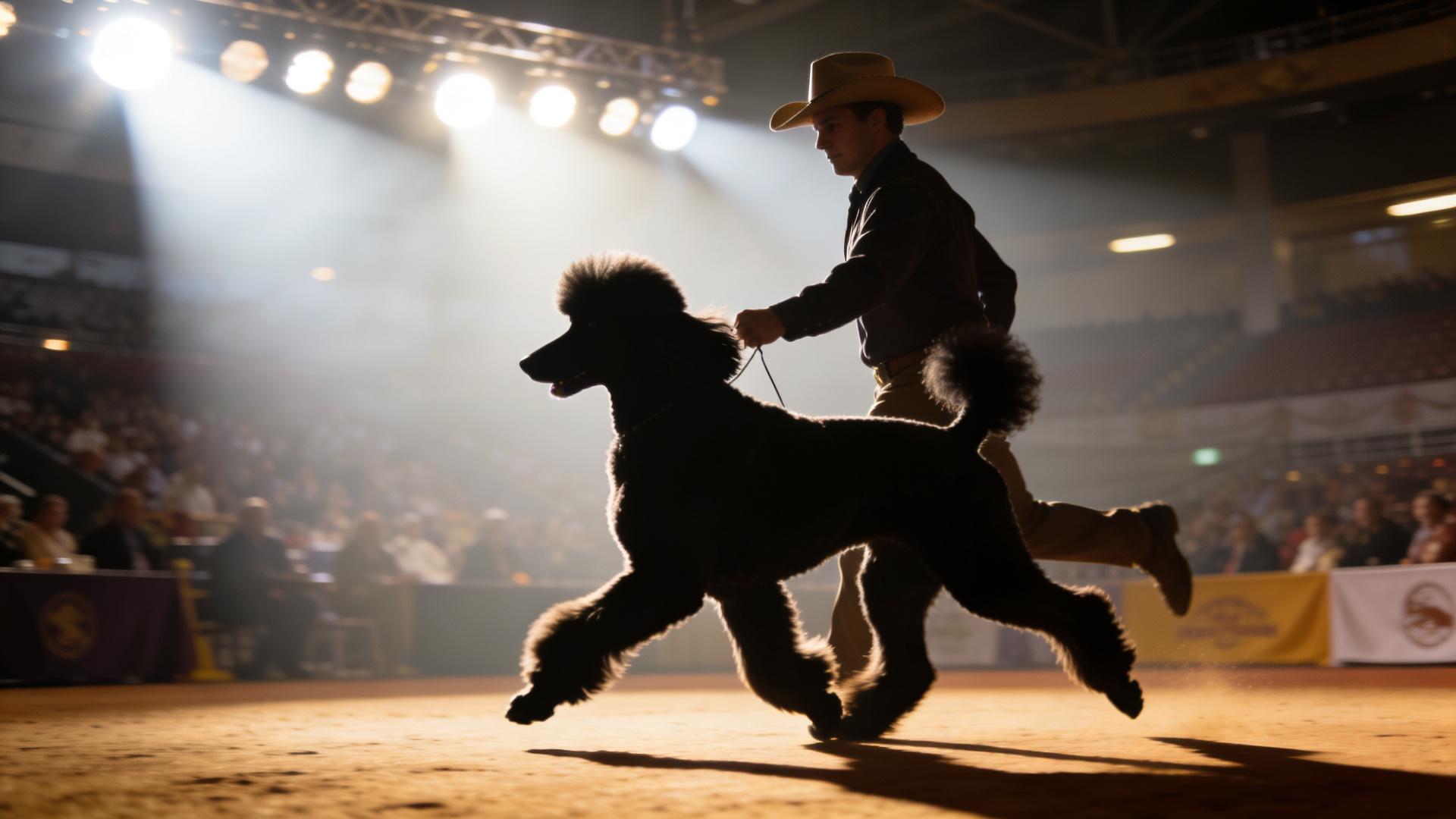
Show-quality grooming and dog movement: How to perfectly showcase grooming results while walking
In the spotlight of the show ring, a dog is a living sculpture. 🏆 But the true artistry of show quality grooming isn't fully revealed until the sculpture begins to move. The transition from a perfectly stacked pose to a fluid, powerful gait is the ultimate test. It separates a good groom from a great one, and a prepared team from champions. This article will guide you beyond the static beauty of the grooming table and into the dynamic realm of the ring. We will teach you how to transform your meticulously groomed dog from a stationary masterpiece into a breathtaking, moving spectacle that captures every judge's eye.