
You May Have Missed

Sunlight and Exercise: The Dual Regulation of Serotonin Secretion and Bone Health in Dogs
When we think about our dog's health, our minds often jump to premium food, regular vet check-ups, and perhaps a stylish new bed. But what if two of the most powerful wellness tools are utterly free, accessible right outside your door, and work in perfect harmony? A truly holistic approach to canine vitality looks beyond the bowl and into the fundamental rhythms of nature and movement. The central thesis is profound yet simple: daily sunlight exposure and regular, appropriate exercise work in powerful tandem to regulate critical hormones like serotonin and fortify skeletal integrity. This dual-action strategy doesn't just target one system; it creates a cascade of benefits that uplifts your dog's mind, strengthens their body, and builds a foundation for a longer, more joyful life.

Dog sun protection information: How to prevent skin cancer during outdoor activities in summer?
The sun is shining, the trails are calling, and your canine companion is eagerly waiting by the door. Summer is the season for adventure, but as responsible pet parents, we often lather ourselves in sunscreen while overlooking a critical danger for our four-legged friends. The sun's powerful ultraviolet (UV) rays pose a significant threat to your dog's health, capable of causing painful sunburns and, more alarmingly, increasing the risk of developing skin cancers. Proactive, informed sun protection is not an optional extra—it's an essential component of modern, preventative canine healthcare. This comprehensive guide will equip you with the knowledge and strategies to safeguard your dog, ensuring your summer memories are filled with nothing but joy and good health.
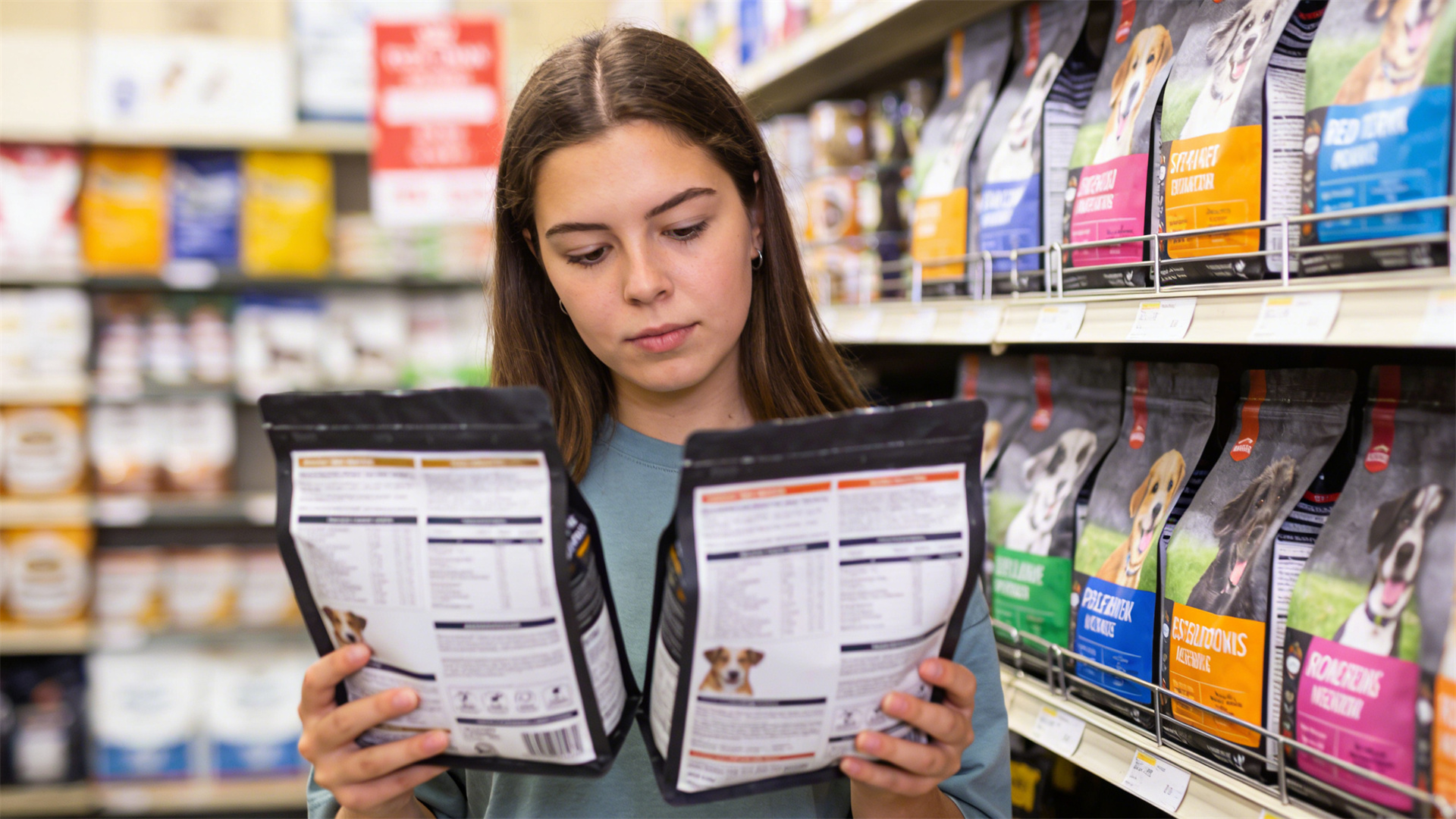
In-depth analysis of dog food ingredient lists: How to identify hidden "appetizer traps"
You stand in the pet store aisle, holding two bags of dog food. Both promise complete nutrition, shiny coats, and boundless energy. You flip the bags over, intent on being a conscientious pet parent, only to be met with a dizzying wall of text: "Poultry by-product meal, corn gluten meal, animal digest, natural flavors..." Your eyes glaze over. Which one is truly better? You’re not alone in this confusion. For millions of dog owners, the ingredient list on a pet food bag is a cryptic puzzle, often designed to appeal to the buyer rather than reveal the full nutritional story for the dog. This article will serve as your decoder ring, empowering you to look beyond the marketing on the front and master the fine print on the back. We will shine a light on the hidden "appetizer traps"—those ingredients added primarily to manipulate palatability artificially—and teach you how to choose a food that nourishes your dog from the inside out. 🐕

Cognitive training: Using educational toys to slow down brain degeneration in older dogs
You notice it in the small things. Your faithful companion, now with a frosted muzzle, might pause for a moment, seemingly confused in a familiar corner of the yard. Perhaps their sleep-wake cycle has flipped, or they seem less enthusiastic about a game they once loved. These subtle shifts can be easy to dismiss as "just getting old," but they often point to something more specific: Canine Cognitive Dysfunction (CCD), a condition akin to dementia in humans. While this reality can feel daunting, there is a powerful, positive, and profoundly bonding tool at your disposal: cognitive training. Just as physical exercise keeps the body strong, consistent mental exercise is crucial for maintaining brain health. And the best part? It can be as simple and joyful as play. This article will guide you through using educational toys as a cornerstone strategy to enrich your senior dog's life, slow cognitive decline, and strengthen your unbreakable bond.

Eczema prevention in long-haired dogs: a solution for breathable skin beneath a thick undercoat
You brush your dog’s magnificent, flowing coat until it gleams in the sunlight. To the world, they are the picture of canine health and beauty. Yet, beneath that luxurious exterior, a silent struggle may be occurring. Your dog is itchy, restless, and constantly seeking relief on the corner of the rug. This is the hidden paradox for many owners of long-haired and double-coated breeds: a stunning coat masking distressed, inflamed skin. The culprit is rarely neglect, but rather a fundamental misunderstanding of what these breeds need. True eczema prevention in dogs like Golden Retrievers, German Shepherds, and Samoyeds does not stop at a tangle-free topcoat. It demands a dedicated strategy focused on one core principle: creating and maintaining breathable skin beneath that dense undercoat.

Clinical Nutrition Guidelines
Navigating the world of dog food is complex, but when your dog faces a health challenge, nutrition transforms from a matter of sustenance to a powerful component of medical therapy. This article delves into the specialized realm of canine clinical nutrition—a field where food is meticulously formulated as a tool to manage, mitigate, and sometimes even help treat specific diseases. Our goal is to translate veterinary science into clear, actionable guidance, empowering you to become an informed partner in your dog's healthcare journey. Clinical nutrition is not about the latest trend; it's about targeted, evidence-based dietary intervention.