
You May Have Missed

In-depth analysis: Why can't dogs eat chocolate?
You turn your back for just a moment. The festive chocolate cake is on the counter, and in a flash, your canine companion has seized the opportunity. A moment of guilty pleasure for them, a moment of sheer panic for you. Every dog owner has heard the warning: chocolate is toxic to dogs. But why? What transforms this beloved human treat into a potential poison for our four-legged friends? This article provides a definitive, scientific explanation of the toxic reaction, arming you with the knowledge to assess risk, recognize symptoms, and act decisively to protect your pet.

New selection standards for search and rescue dogs in 2026: Small dogs can also play a leading role in rubble search and rescue.
For decades, the iconic image of an urban search and rescue (USAR) dog has been one of powerful, statuesque canines—German Shepherds, Belgian Malinois, and Labrador Retrievers—standing atop piles of rubble. This image is rooted in tradition and rigorous historical standards that prioritized physical prowess. However, the world of disaster response is on the cusp of a revolutionary change. New official selection standards, set for global implementation in 2026, will formally recognize a groundbreaking truth: small dogs can also play a leading role in rubble search and rescue. This is not merely a policy tweak; it is a fundamental paradigm shift that leverages canine capability in smarter, more effective ways to save lives in the most challenging environments.

2026 Cross-Industry Collaboration: Starbucks Launches Globally Standardized Dog-Specific Butter Cups
In a groundbreaking move that redefines brand loyalty and pet parenthood, Starbucks has announced its most paw-sitive innovation yet. Teaming up with leaders in animal nutrition, the coffee giant is set to launch the Starbucks Paw Partner Butter Cups in 2026, marking the world's first globally standardized, dog-safe treat from a major food and beverage corporation. This isn't just a new product; it's a landmark cross-industry collaboration 2026 that fuses culinary trends with canine nutrition science, setting a new benchmark for responsible branding.
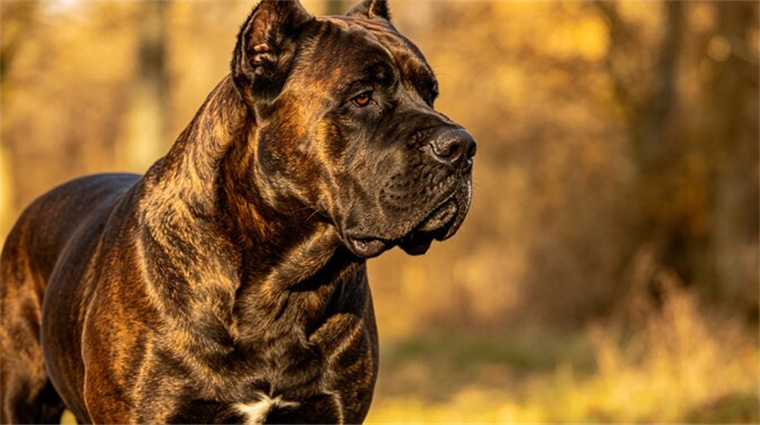
They adopted a "dog" from a shelter, but the veterinarian took just one look and screamed.
After a series of burglaries in their neighborhood, the Johnson family decided to adopt a watchdog to bolster their home security. They adopted a large Cane Corso named Nicholas from a local animal shelter. Despite Nicholas's sturdy build and imposing appearance, his gentle and friendly nature quickly won the hearts of the entire family. Even the neighbors began to comment on his unusual coat—it shimmered in the light, its color shifting subtly.

Canine genetic tracing in 2026: Where did your dog's ancestors come from?
Imagine receiving a thick envelope in the mail. Inside isn't a bill or an advertisement, but a passport—a passport for your dog. As you flip through the pages, you don't see stamps from France or Japan, but rather a vivid, animated map tracing a journey back through millennia. One line darts from your living room, back to a 19th-century European village, another plunges deep into the ancient steppes of Central Asia, and a third touches the icy coasts of the Arctic. This is the power of canine genetic tracing in 2026: a story of survival, migration, and companionship, written in the very code of your best friend's being. Gone are the days of simple breed identification; today's technology unveils an epic ancestral saga. This article will guide you through this revolutionary field, explaining how it works, what it reveals, and why understanding your dog's deep past is the key to a healthier, happier shared future.

Remote Veterinary Medicine 2.0: Virtual consultations will become the mainstream primary care method in Europe and the United States by 2026.
The landscape of pet healthcare underwent a seismic and permanent shift after 2020. What began as a necessity has rapidly evolved into a preferred model of care. Projections from leading animal health analysts now indicate that by 2026, the primary point of contact for canine healthcare in Europe and the United States will not be a physical clinic, but a digital one. This is not a distant future scenario. It is the imminent reality of Veterinary Medicine 2.0. As a dog owner, have you ever dreaded the stressful car ride, the anxious wait in a crowded lobby, or the difficulty of scheduling a timely appointment for a non emergency concern. This article explores the data driven future that is solving these very pain points.