
You May Have Missed

Solving a dog's "fetish": Why does it always steal its owner's socks?
You’ve just finished folding the laundry, or perhaps you’re rushing to get dressed for work. One crucial item is missing: a sock. You search under the bed, behind the couch, to no avail. Then, you spot it. There, nestled in your dog’s bed, is the missing sock—slightly damp, covered in slobber, but seemingly cherished. If this scene is a daily drama in your home, you’re not alone. The dog sock stealing behavior is a universal, baffling, and often frustrating canine quirk. But what if this isn't just mischievous defiance? What if your dog’s sock obsession is a window into its canine mind? This article will delve into the instinctual drives behind this habit and provide a clear, actionable roadmap to reclaim your hosiery and restore harmony.
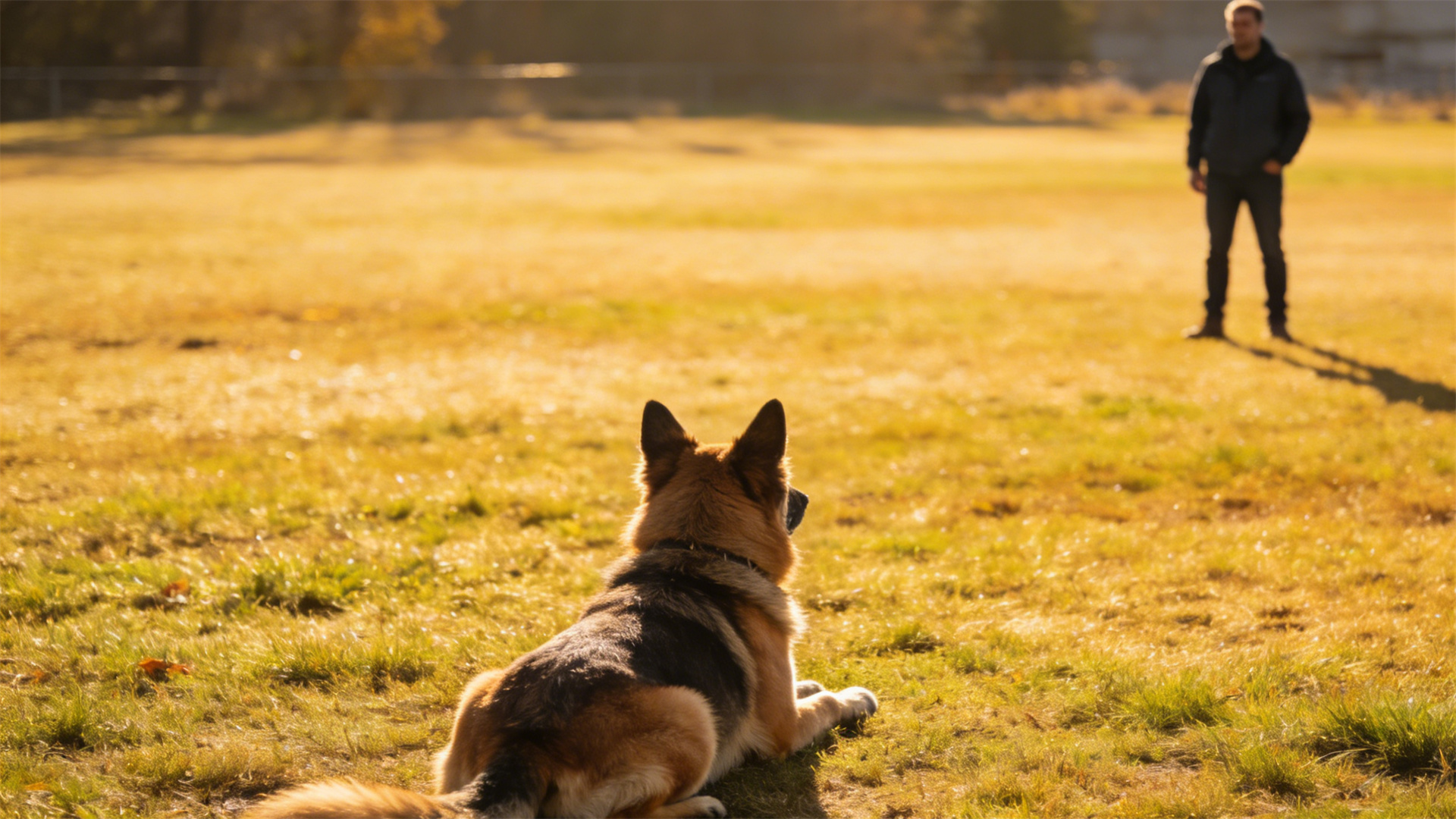
Level 3: Competitive and Work Skills
Welcome to the pinnacle of canine partnership. This is not pet training. Level three competitive dog skills demand a fundamental mindset shift from owner to handler, from companion to teammate. Here, we operate in the realms of precision, unwavering reliability, and flawless performance under intense pressure. This article is your definitive guide to advanced competitive canine training, designed for those preparing for titling events, competitive trials, or deploying dogs in critical professional roles. The journey requires dedication, expertise, and a dog that has transcended basics.
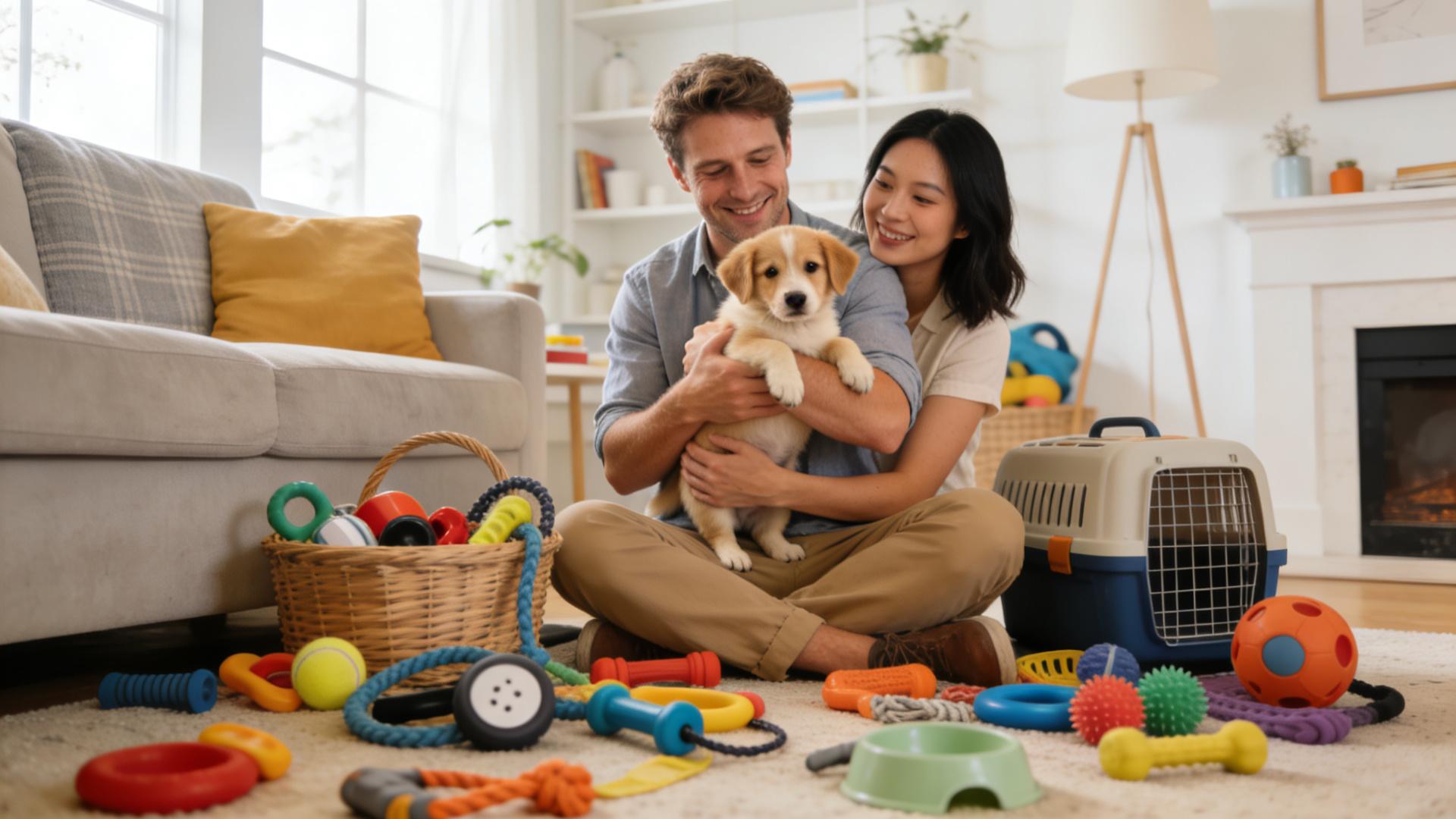
2026 Puppy Training Kit: 5 Essential Training Tools for New Parents
Bringing home your new puppy is a whirlwind of joy, cuddles, and… pure, unadulterated overwhelm. Between the excited piddles, the sharp little teeth, and the sudden midnight serenades, it’s easy for first-time pet parents to feel lost. Traditional training advice is plentiful, but the future of puppy parenting is here, blending timeless canine psychology with smart technology and innovative design. Welcome to the 2026 Puppy Training Kit, a curated collection not just of supplies, but of solutions. This guide cuts through the noise to present five essential tools designed to make your training journey more efficient, effective, and deeply connected. Let’s transform that adorable handful of chaos into a well-mannered companion with tools that empower you both.
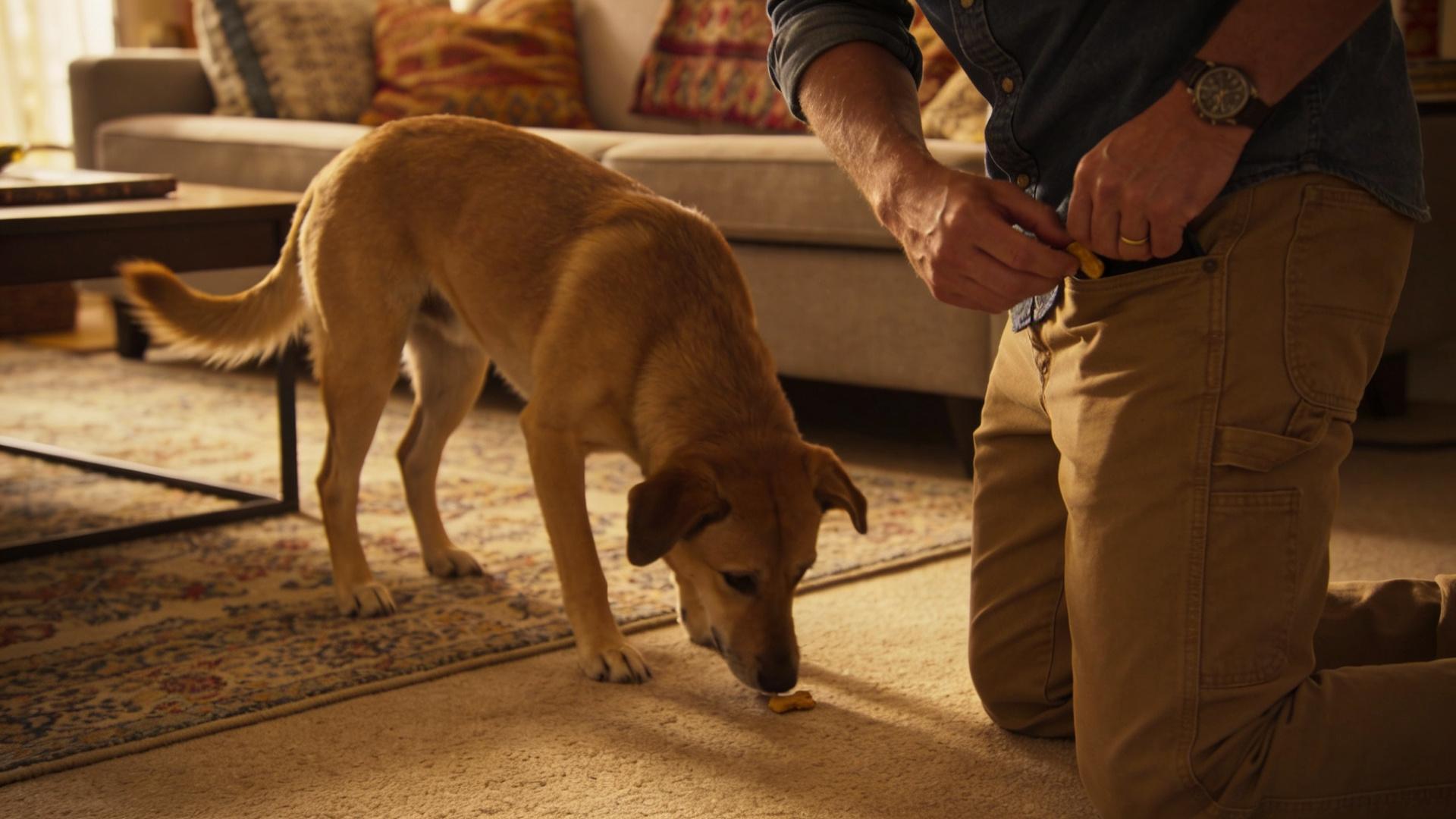
Dogs' "Jet Lag": Why is a 5-second delayed reward meaningless?
You’ve just spent ten minutes trying to teach your dog to "sit." Finally, he does it! You fumble for a treat in your pocket, unhook the leash, and by the time you deliver the reward, he’s already standing up and sniffing the ground. You think you’ve rewarded the "sit," but your dog is utterly confused. Sound familiar? This common frustration isn't your dog being stubborn—it's a fundamental breakdown in communication, a case of what we can call canine jet lag. While we operate on a timeline of minutes and intentions, your dog lives in a world of instantaneous cause and effect. So, why does a delay of just a few seconds render a reward completely meaningless in your dog’s mind? The answer lies in the very mechanics of how dogs learn.
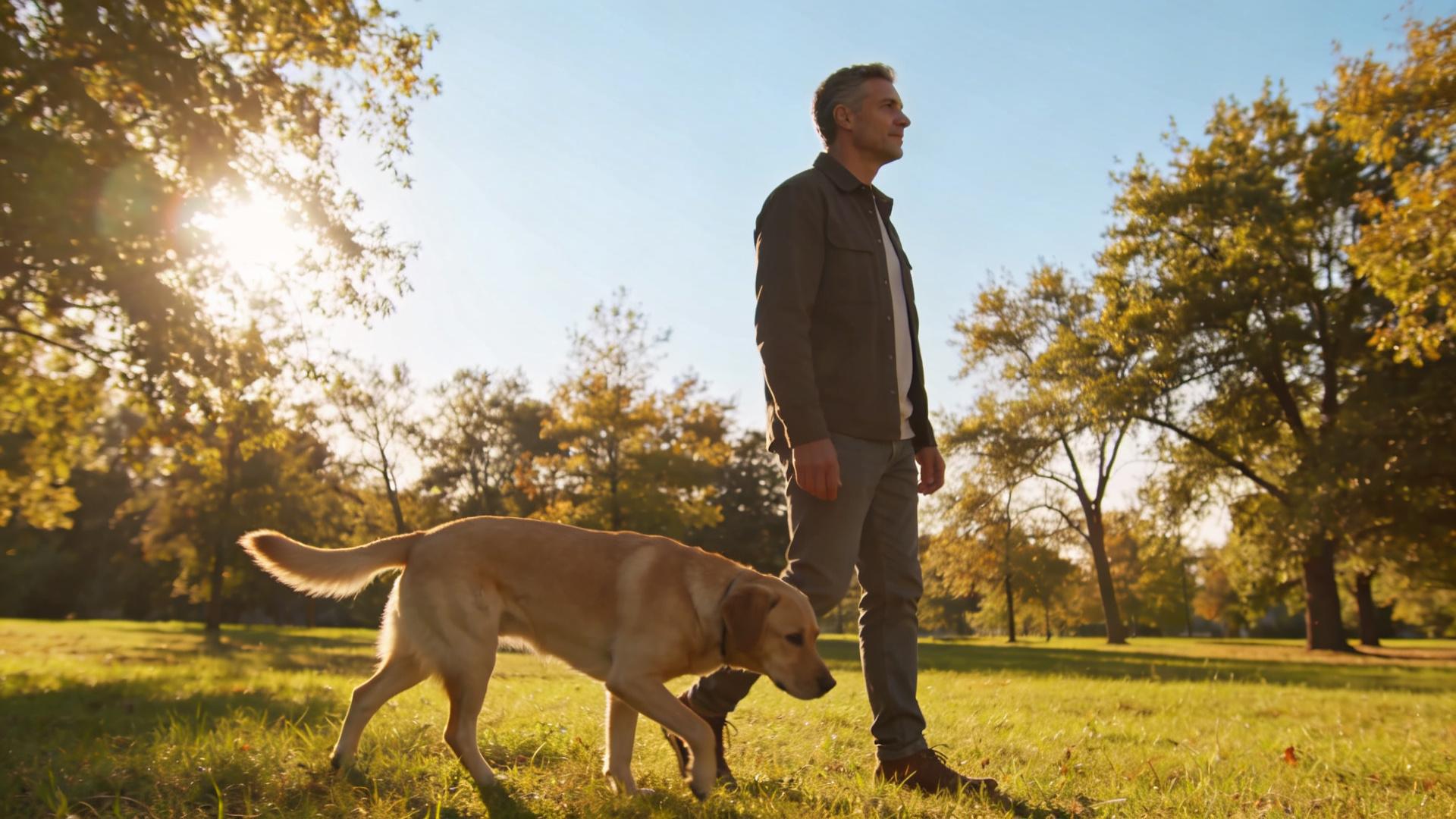
Perfect heel training: Keep your dog always on your left side.
Imagine strolling through the park with your dog walking calmly by your left side. This vision is achievable through perfect heel training. Heel training is the cornerstone of canine obedience. It ensures safety during walks and strengthens your bond. The traditional left side position is not arbitrary. It has practical roots. This guide will provide everything you need to master heel training for dogs.

Emotional synchronization: How does the owner's anxiety interfere with training effectiveness?
Picture this: You’re in the backyard, treat pouch on your hip, ready to practice a solid "stay." You give the cue, take one step back, and your dog immediately breaks position. A wave of frustration rises. You try again, your voice tightening. Your dog now seems distracted, sniffing the ground, avoiding eye contact. The more you try to "get it right," the worse it gets. Your anxiety climbs, and your dog’s behavior unravels in tandem. Why does it feel like your emotional state is the invisible hand guiding—or sabotaging—your training session? The answer lies in a powerful, biological phenomenon: emotional synchronization. This is the shared emotional leash that connects your inner world directly to your dog's ability to learn, focus, and cooperate.