
You May Have Missed
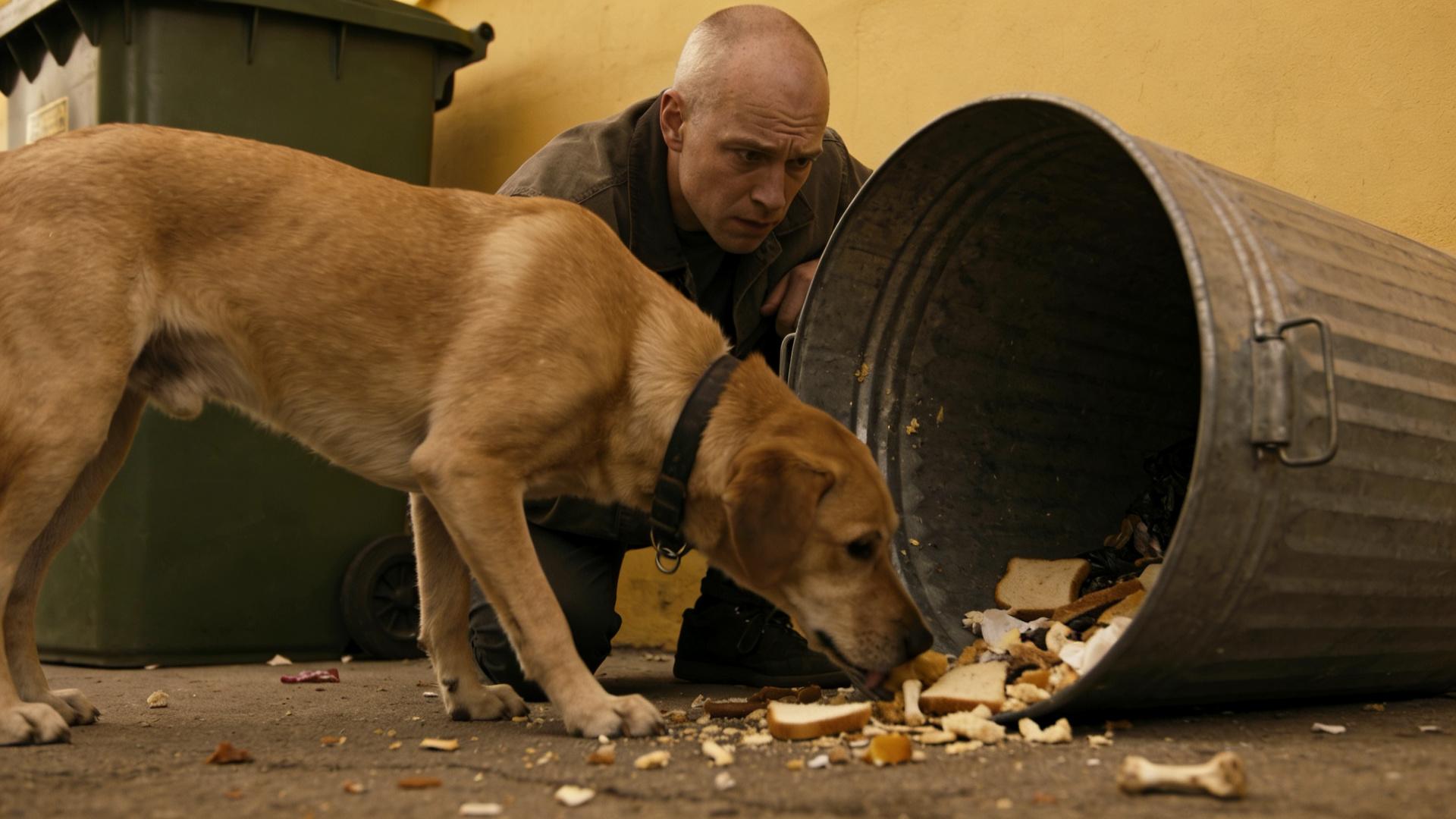
Habitual rummagerer in trash cans: How to correct this behavior through environmental setup and aversion therapy
Does your otherwise perfect pup transform into a trash bandit the moment you turn your back? You're not alone. This frustrating, messy, and potentially dangerous behavior is one of the most common complaints among dog owners. The good news is that it's highly manageable—but not through scolding or punishment. Successfully reclaiming your garbage requires a smart, two-pronged strategy: environmental management and behavior modification. This comprehensive guide will walk you through exactly how to implement both, creating a cleaner home and a safer, happier dog.
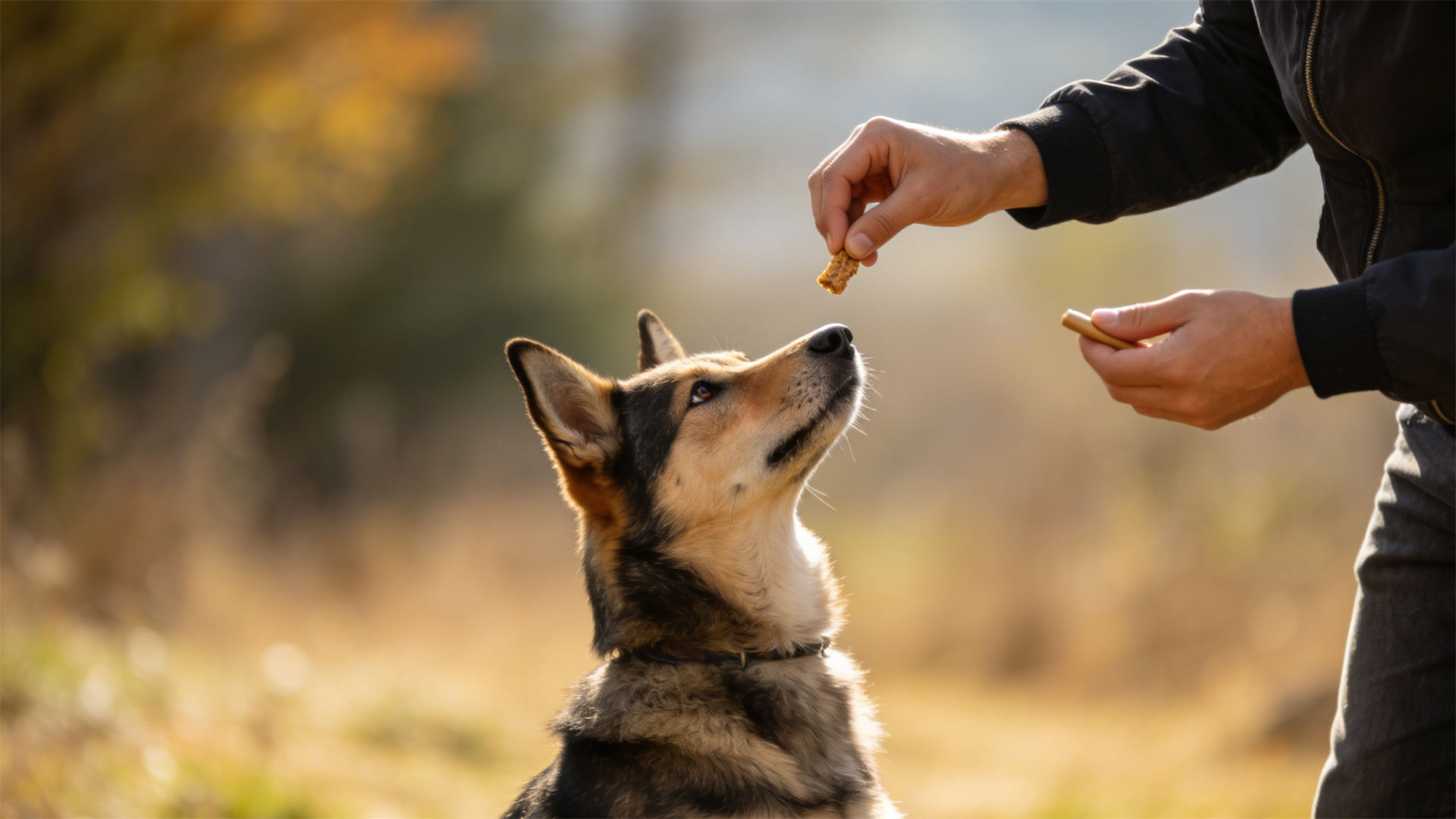
Today's training focus: Clicker method
In the vast world of dog training methodologies, few tools have garnered as much acclaim from professional trainers and pet owners alike as the humble clicker. More than just a noisemaker, the clicker is the cornerstone of a revolutionary approach that emphasizes clarity, mutual respect, and joyful learning. Clicker training for dogs isn't a fleeting trend; it's a scientifically-backed application of operant conditioning that empowers your dog to think and participate actively in their own education. This comprehensive guide will demystify the clicker training method, equipping you with the knowledge and steps to forge a deeper bond and unlock your canine companion's full potential.

Puppy sleep habit training: solutions to nighttime barking and restlessness
Exhausted from puppy night waking? Our expert guide reveals the root causes of barking and restlessness and provides a proven, step-by-step training plan to finally get peaceful sleep for you and your new dog.
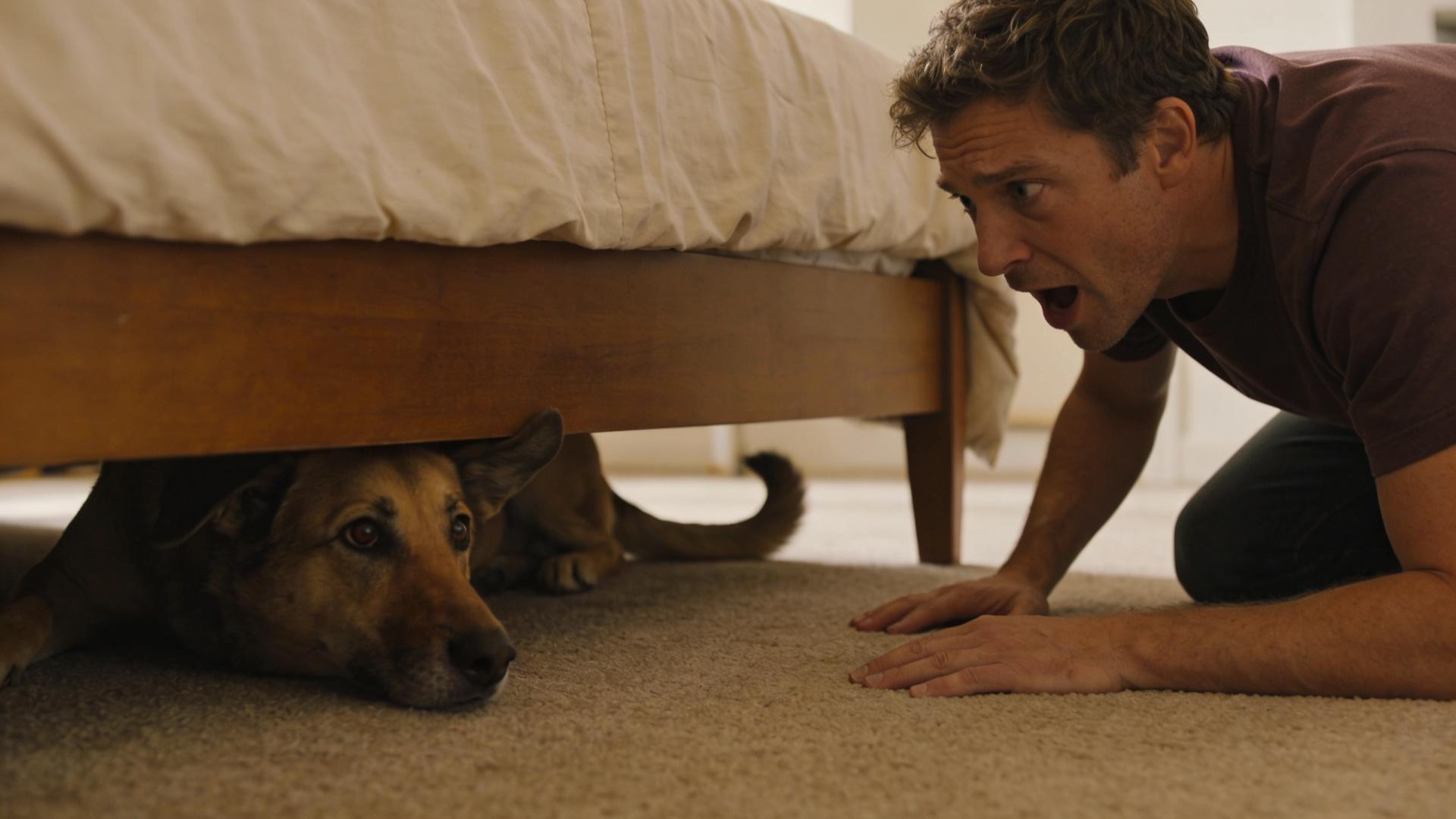
Happy Bath Training: Techniques to Make Your Dog Love Playing in Water and Blow-drying
Does your dog dive under the bed at the mere mention of a bath? You're not alone! But what if bath time could be filled with wagging tails and happy splashes? Welcome to the world of happy bath training—a systematic, positive approach designed to transform grooming from a stressful ordeal into a fun, trust-building activity. This comprehensive guide will equip you with proven techniques to help your dog not only tolerate but genuinely enjoy water and blow-drying. Embracing happy bath time is a game-changer for your dog's health and your peace of mind. Let's turn that fear into fun! 🐾

2026 Puppy Training Kit: 5 Essential Training Tools for New Parents
Bringing home your new puppy is a whirlwind of joy, cuddles, and… pure, unadulterated overwhelm. Between the excited piddles, the sharp little teeth, and the sudden midnight serenades, it’s easy for first-time pet parents to feel lost. Traditional training advice is plentiful, but the future of puppy parenting is here, blending timeless canine psychology with smart technology and innovative design. Welcome to the 2026 Puppy Training Kit, a curated collection not just of supplies, but of solutions. This guide cuts through the noise to present five essential tools designed to make your training journey more efficient, effective, and deeply connected. Let’s transform that adorable handful of chaos into a well-mannered companion with tools that empower you both.
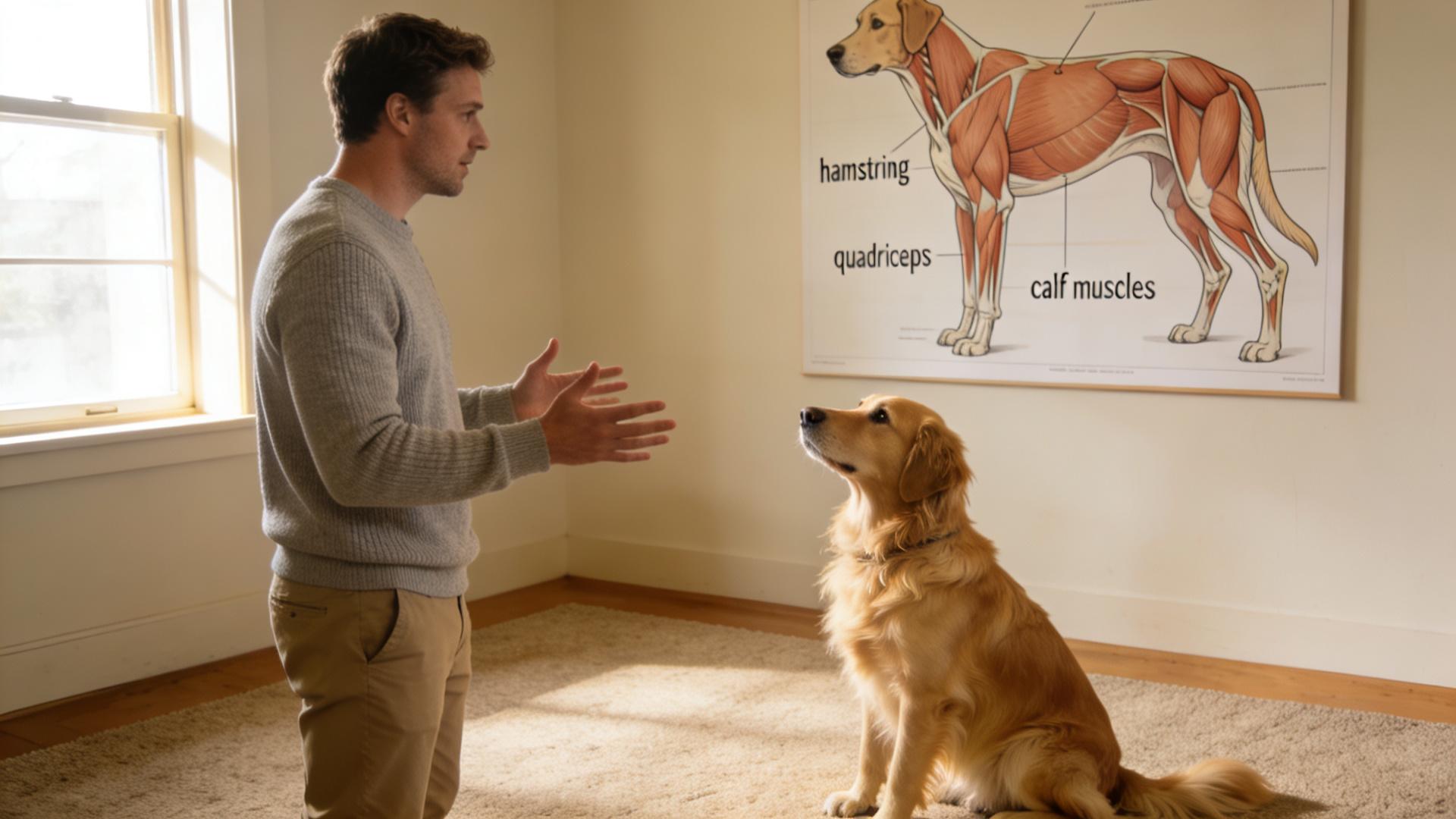
Backward walking training: Developing a dog's hind leg muscles and spatial awareness
Ever watched a dog navigate a tricky obstacle course with precision, or seen a senior pup regain a spring in their step? The secret might not be in running faster, but in walking backwards. Backward walking training for dogs is an innovative exercise that goes beyond a party trick to become a cornerstone of canine fitness and cognition. This targeted movement directly builds stronger hindquarters and sharpens body awareness, offering profound benefits for sport dogs chasing agility titles, senior dogs managing mobility, and every family pet aiming for holistic wellness. By teaching your dog to walk backwards, you're engaging key muscle groups and neural pathways that foster both physical and mental agility.