
You May Have Missed
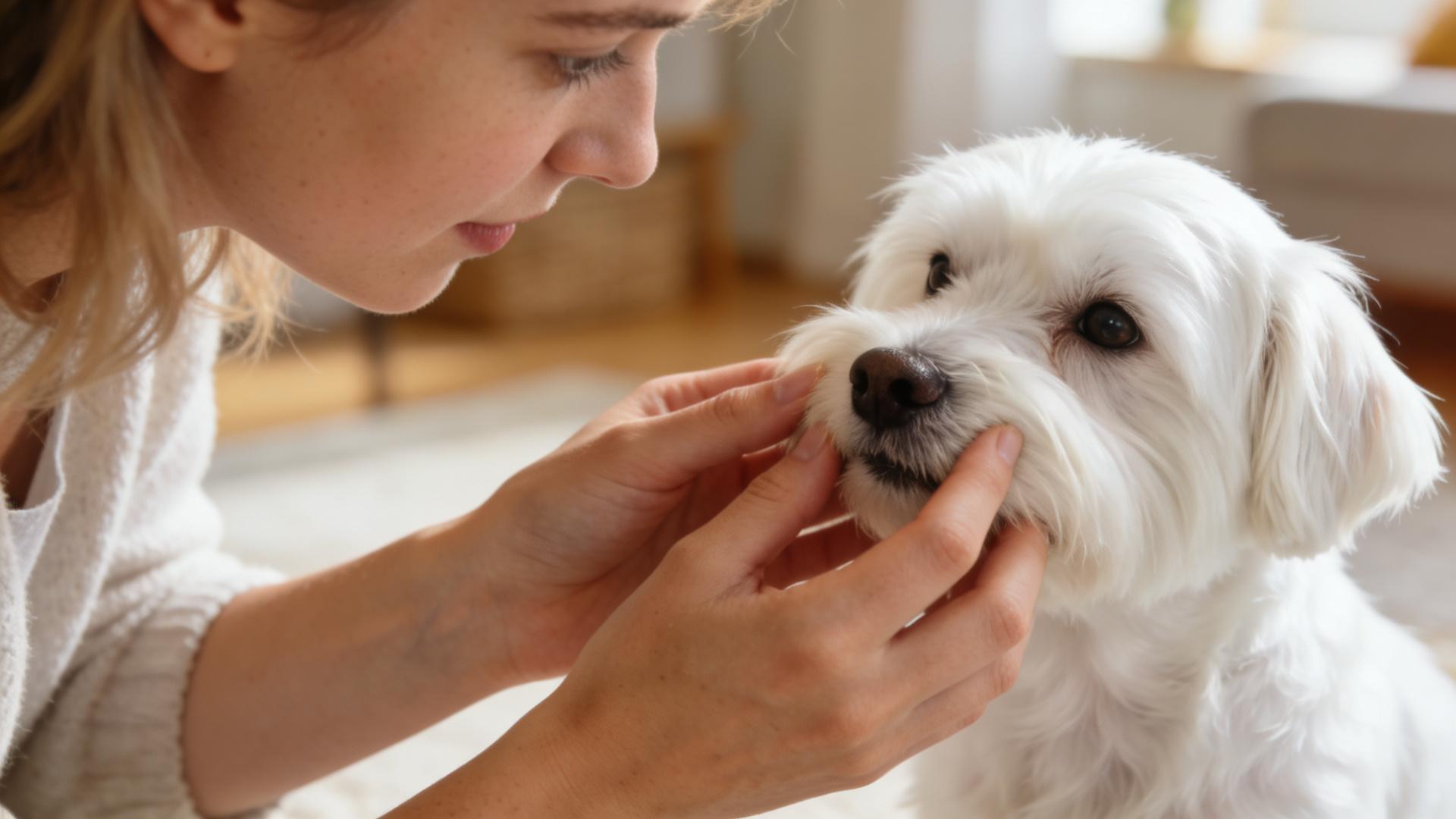
Tear Stain Removal Techniques: A Combination of Dietary Adjustments and Localized Cleansing
If you share your life with a dog, especially a light-colored breed like a Maltese, Shih Tzu, or Poodle, you've likely encountered those reddish-brown streaks beneath their eyes. These are dog tear stains, a common and often frustrating Grooming concern for pet parents. More than just a beauty issue, they can signal underlying factors worth addressing. This article cuts through the clutter of misinformation to provide a clear, actionable, and trustworthy guide. Our core thesis is that effective, long-term management of tear stains requires a dual-pronged strategy: addressing potential internal triggers through dietary adjustments and implementing a consistent, gentle localized cleansing routine. We must emphasize from the outset: sudden, severe, or persistent staining should always prompt a visit to your veterinarian to rule out medical issues like eye infections, blocked tear ducts, or anatomical problems.
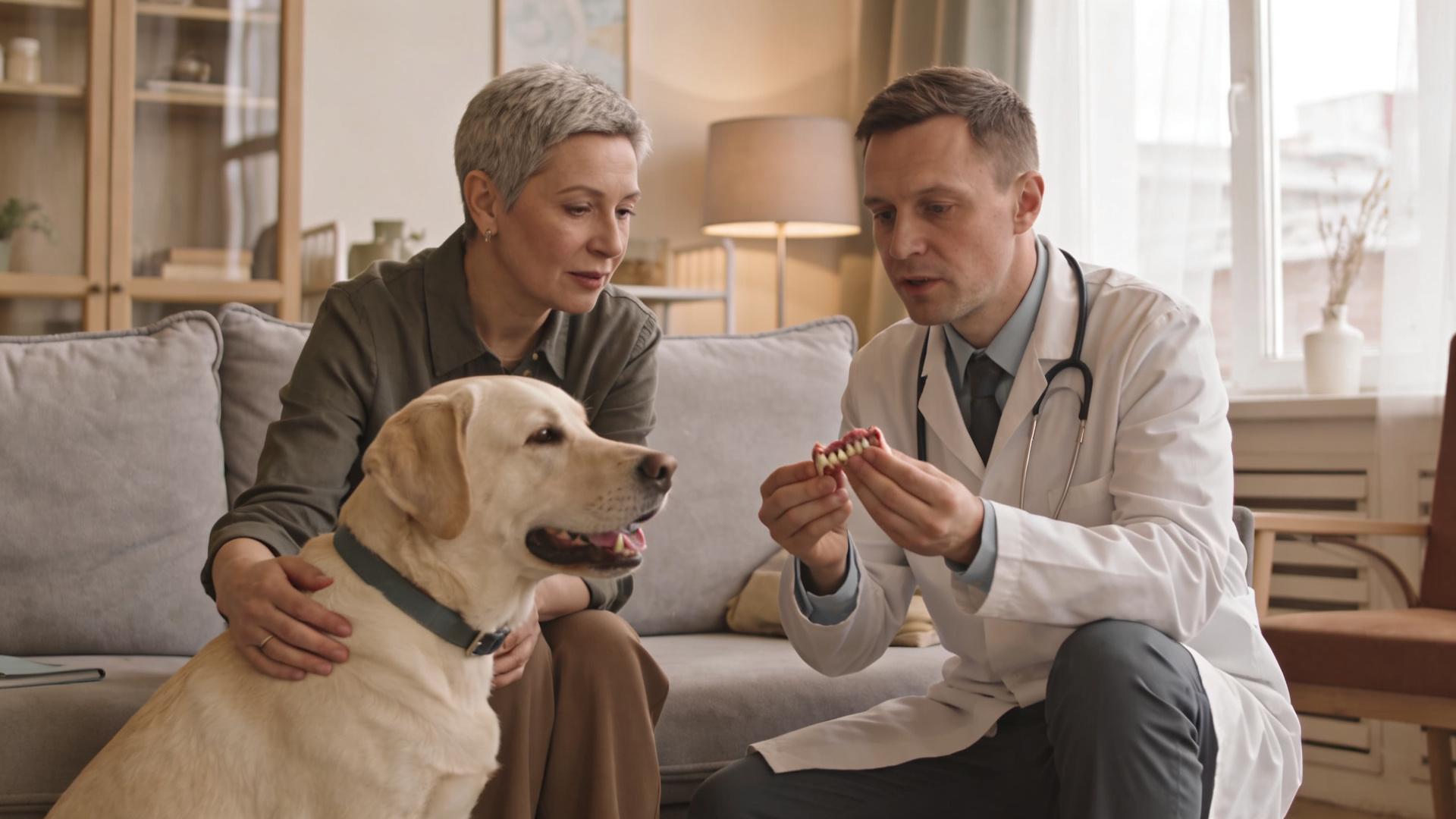
Preventing periodontal disease: Oral care habits that only take 30 seconds a day
Did you know that by the age of three, over 80% of dogs show signs of periodontal disease? 🦷 It’s the most common clinical condition occurring in adult dogs, yet it’s also one of the most preventable. The thought of adding another lengthy task to your daily routine can be daunting. But what if effective prevention wasn't a chore? This guide delivers on a powerful promise: building a healthy mouth for your dog with habits that take just 30 seconds a day. By investing half a minute now, you can save your dog from pain, protect their overall health, and avoid costly veterinary dental procedures down the line.
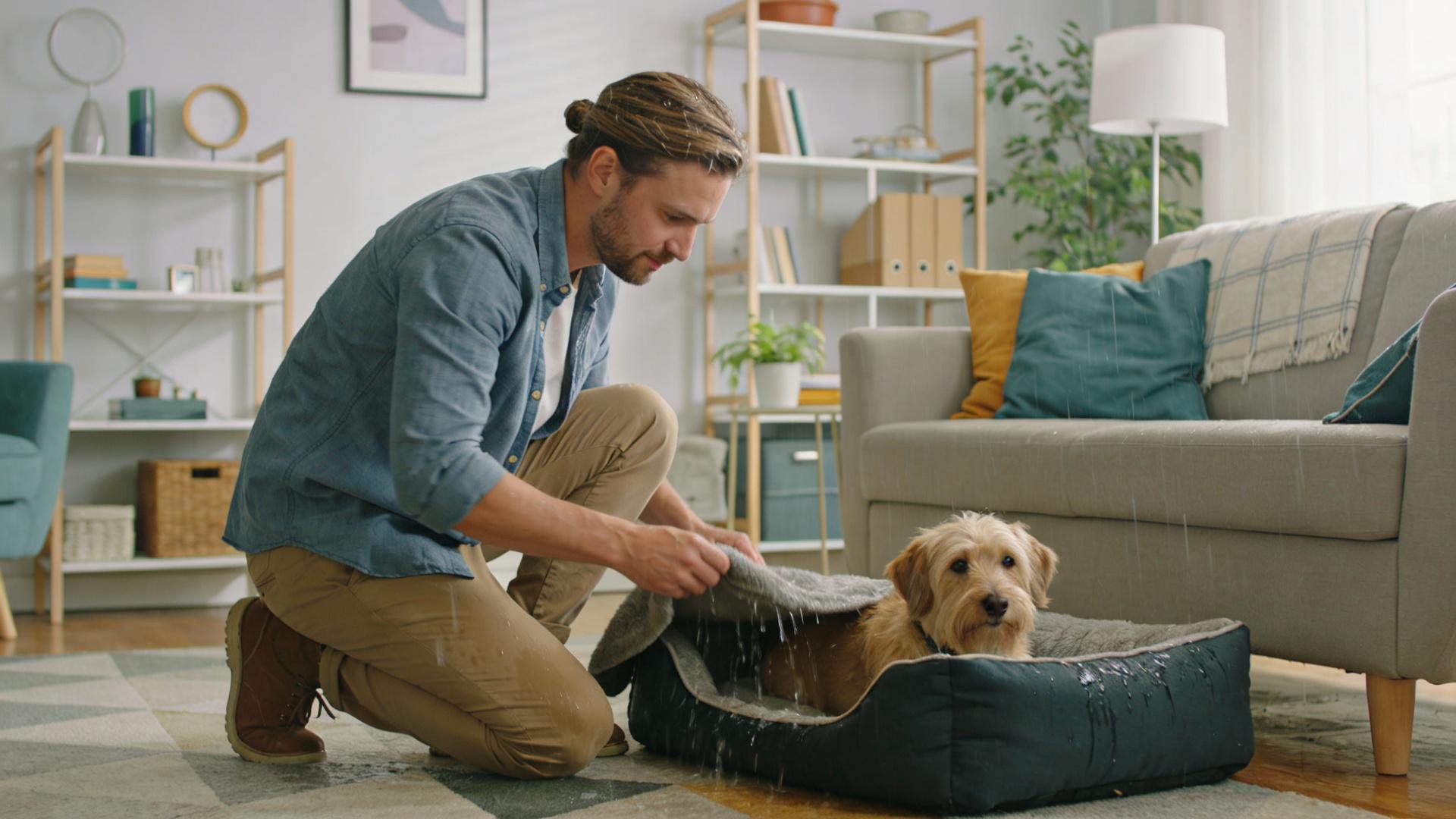
Rainy Season Moisture Control Guide: How to Keep Your Dog's Bed and Mat Dry and Mold-Free
The pitter-patter of rain might be soothing, but for dog owners, the wet season brings a silent, sneaky challenge: the battle against a damp, musty dog bed. That cozy nest your furry friend loves can quickly become a haven for mold, mildew, and harmful bacteria. This isn't just about a smelly inconvenience; it's a direct threat to your dog's health, potentially leading to skin infections, allergic reactions, and respiratory issues. The core objective of this guide is simple: to arm you with a practical, step-by-step strategy to win this battle. We'll transform you from a reactive cleaner into a proactive protector of your pet's sleeping environment, ensuring their sanctuary stays dry, fresh, and healthy, no matter how high the humidity climbs. Let's dive into the ultimate playbook for mastering the art of how to keep dog bed dry.

"Warmth and Cleanliness" for Newborn Puppies: Simulated Care When the Mother is Away
For newborn puppies, the mother is their entire world. She provides nourishment, essential warmth, and meticulous cleanliness through her constant care. Her presence is the cornerstone of their survival in those critical first weeks. When she is absent due to illness, rejection, or unforeseen circumstances, the roles of providing warmth and maintaining cleanliness fall entirely to you, the caregiver. This responsibility is daunting but profoundly rewarding. This guide aims to be your compassionate companion, offering detailed, step-by-step simulated care methods to ensure the health and survival of orphaned or mother-assisted puppies. We will navigate this journey together, focusing on the two most critical pillars of neonatal care: thermal support and hygienic practice.
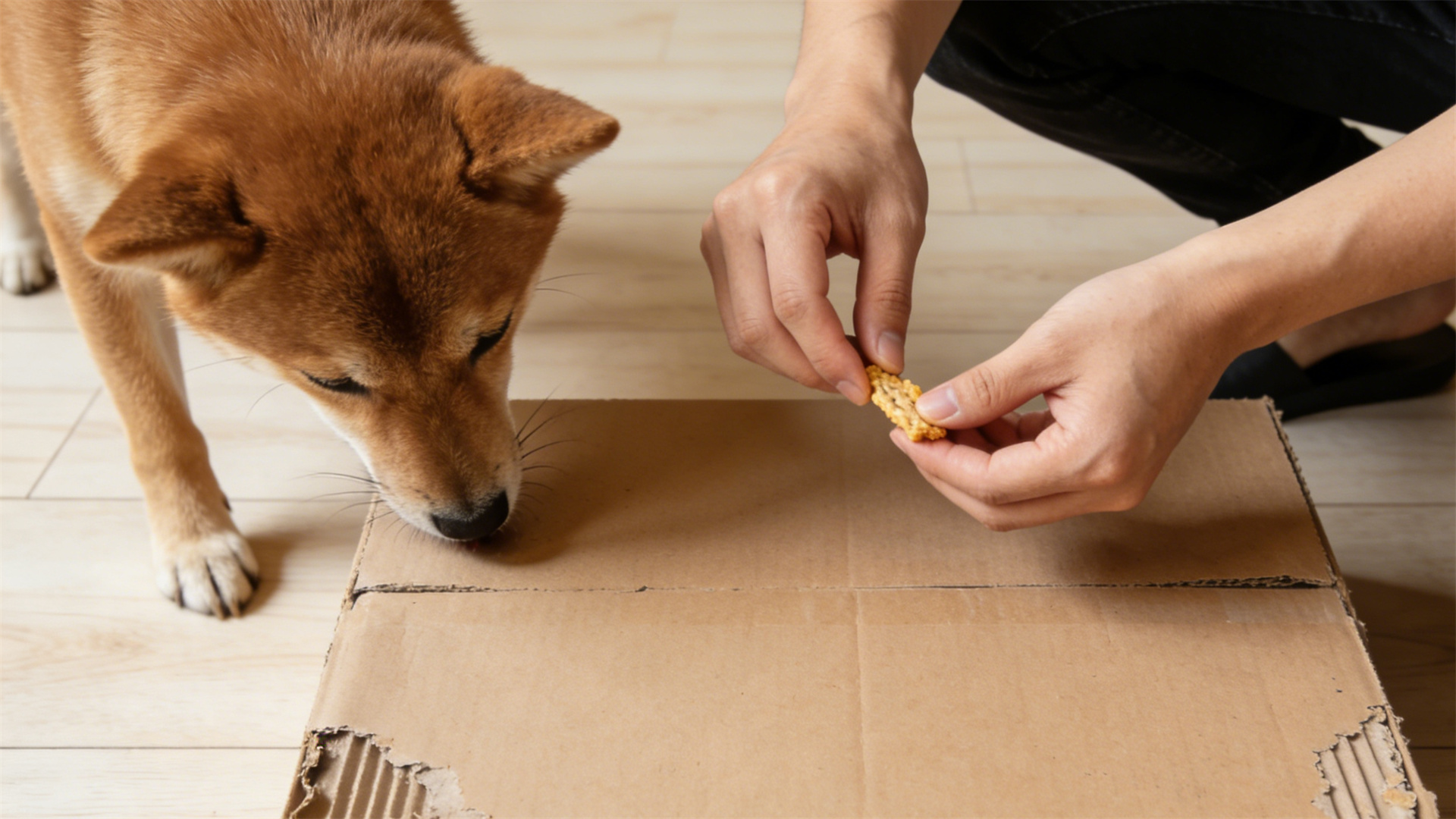
Desensitization during relocation
Imagine this: Boxes are everywhere, strange people are bustling in and out, and the familiar scents of home are slowly being replaced by the smell of tape and cardboard. In the corner, your usually cheerful dog is panting heavily, hiding under the table, or following you from room to room with worried eyes. This scene is all too common for families during a move. Relocation is a major life event for humans, but for our dogs, it can be a profoundly confusing and stressful experience. Their entire world—the sights, sounds, and smells they depend on for security—is being dismantled. This article is your comprehensive, step-by-step guide to using desensitization to transform this stressful ordeal into a manageable transition, ensuring your furry family member feels safe and secure every step of the way.
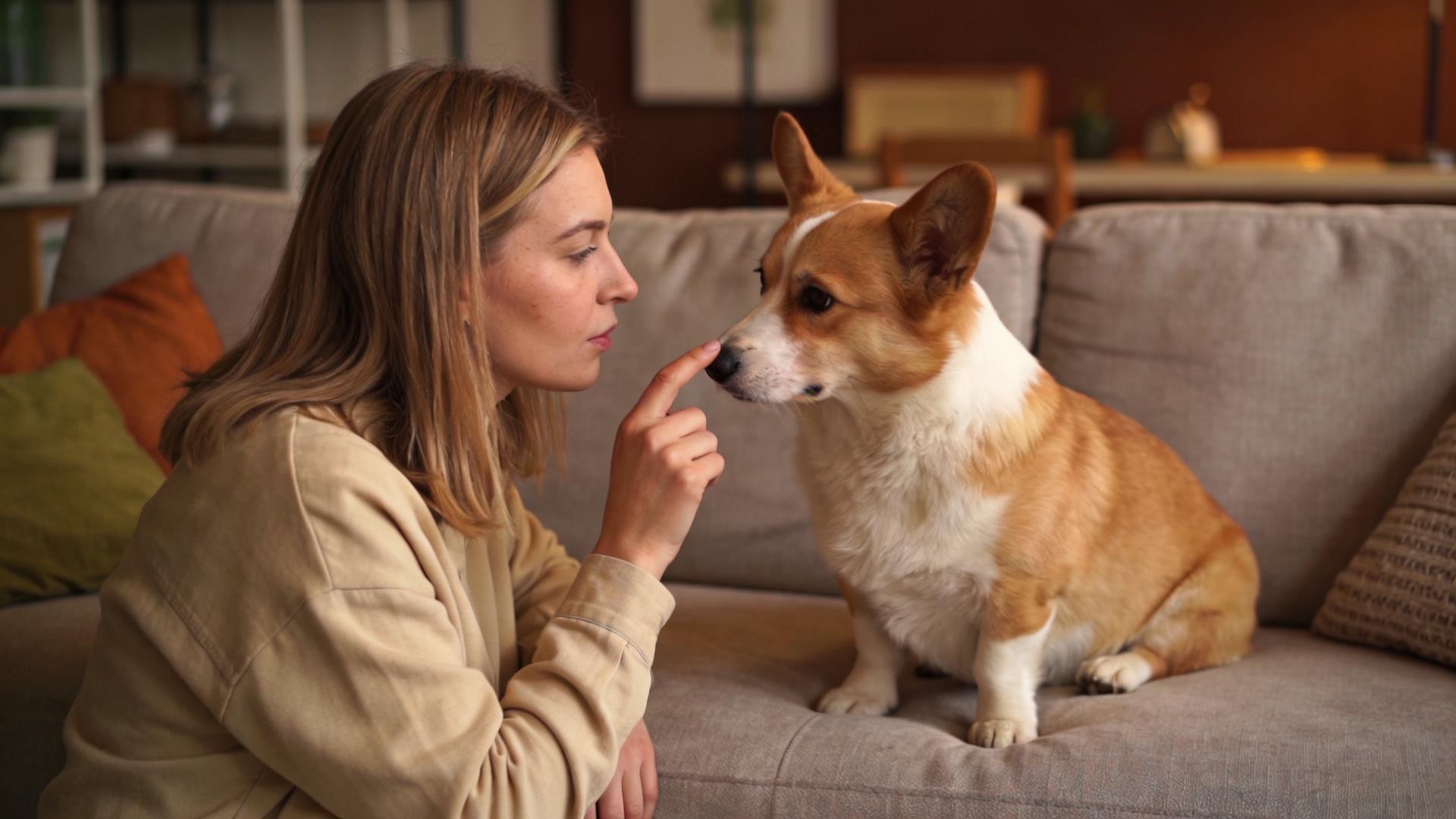
Is your dog's nose dry and faded? Learn how to get a shiny black nose.
As a devoted dog owner, you notice every little detail about your furry friend. So, when that cold, wet nose you love to boop starts feeling dry, rough, or even loses its rich black pigment, it’s natural to feel concerned. You’re not alone. A dry or faded nose is a very common observation, and the good news is that it’s often harmless. However, understanding why it’s happening is the first and most crucial step toward restoring your dog’s nose to its healthy, shiny black dog nose glory. This guide will walk you through the common causes, safe home care strategies, and the clear signs that it’s time to call your vet.