
You May Have Missed
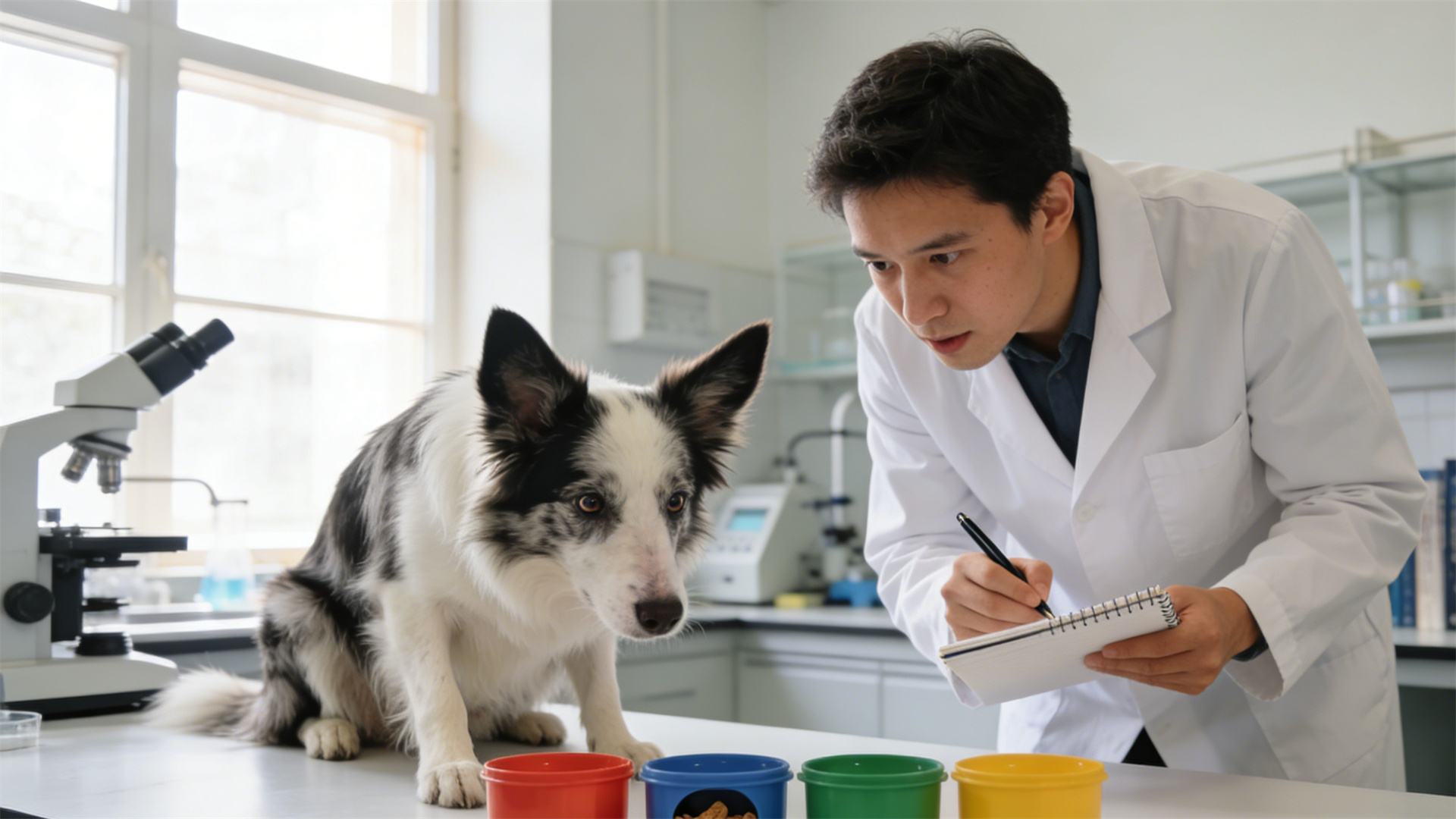
Canine Psychology: New 2026 Research Reveals Whether Dogs Can Detect Human Lies
For centuries, the bond between humans and dogs has been celebrated for its depth and intuitive understanding. We marvel at their loyalty, celebrate their emotional intelligence, and often joke about their almost psychic ability to sense our moods. But what if this connection runs even deeper than we imagined? What if our canine companions are not just responsive to our emotions, but are actively evaluating the truthfulness of our actions and words? Groundbreaking 2026 canine behavior research has delved into this very question, pushing the frontiers of animal psychology and dog cognition. This article will examine the compelling evidence behind whether dogs can detect human lies, exploring the methodology, key findings, and profound implications for every dog owner. We will unpack the nuances of human-dog communication, analyze the study's revelations about canine perception of lies, and provide practical guidance based on this cutting-edge dog research.

Smart Home Pet Companion: Major Home Appliance Brands to Launch "Cat and Dog Modes" in 2026
For years, dog owners have relied on a patchwork of individual gadgets—a smart feeder here, a pet camera there. But imagine a home that actively cares for your canine companion, intuitively responding to their needs through a symphony of synchronized appliances. This is not science fiction. In a landmark industry shift, major home appliance brands have announced the impending launch of integrated "Cat and Dog Modes" for their smart home ecosystems, set to debut in 2026. This move signals a transformative leap from isolated pet products to holistic, automated environments designed for animal welfare. As a canine content specialist, I see this as the dawn of a new era in responsible dog ownership, where technology deepens the bond we share with our pets by ensuring their comfort, safety, and happiness, even in our absence. Let's delve into what this means for you and your dog.
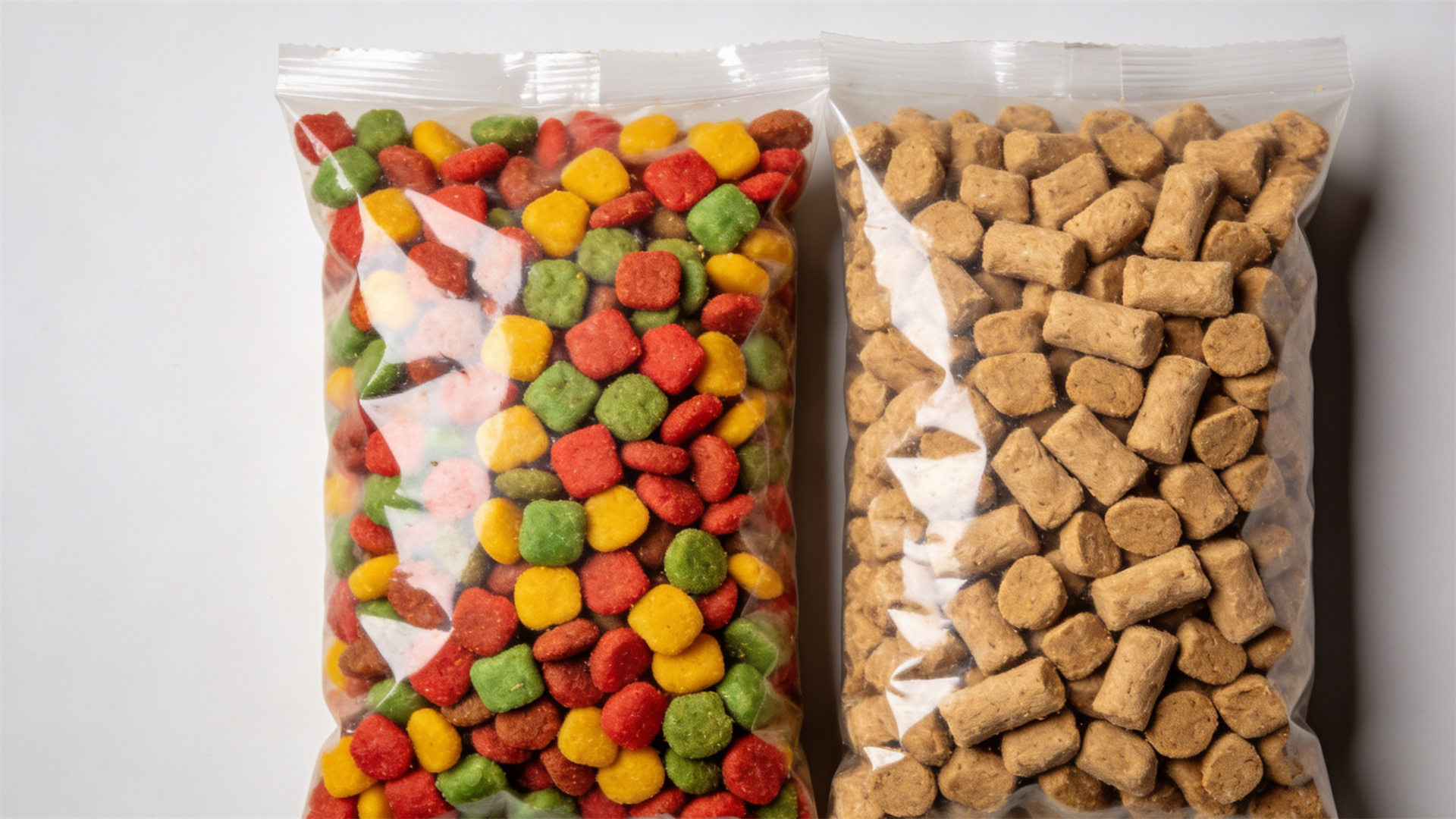
2026 Dog Food Ingredient Red and Black List: These 10 Additives Have Been Abandoned by Mainstream Manufacturers
The landscape of canine nutrition has undergone a revolution in the past decade. Driven by a surge in pet parental education, advanced veterinary science, and a universal demand for transparency, what goes into our dogs' bowls has fundamentally changed. By 2026, this evolution has reached a critical milestone, with mainstream dog food manufacturers collectively moving away from a host of outdated additives. This shift isn't about fear, it's a testament to progress. Here, we examine the definitive black list of ingredients now considered undesirable by leading brands, and illuminate the positive, health-focused trends that have taken their place.

2026 Pet Pre-Cooked Meals: Delicious Dog Dinners That Only Take 3 Minutes to Heat
It’s 6:47 PM. You’ve just walked through the door, your bag hits the floor, and a pair of hopeful, wagging eyes is already fixed on you. The internal monologue starts: “I should defrost that raw blend… or maybe cook up some chicken and rice… but that’ll take 30 minutes I don’t have.” The compromise? Pouring another bowl of kibble, while a flicker of guilt whispers you could do better. For the modern, time-pressed pet parent, this is the nightly standoff between love and logistics. But what if you could serve a nutritious, chef-prepared, and utterly delicious dinner in less time than it takes to microwave your own meal? Enter the future of canine cuisine: pre cooked dog food designed for 2026 and beyond. This isn't just another pet food trend; it's a fundamental reimagining of mealtime, merging unparalleled convenience with uncompromising health.

25 Dog Breeds That Live the Longest
Dogs bring us joy, but they rarely stay with us as long as we hope. Fortunately, some breeds are known for reaching impressively old ages. Below are 25 long‑lived breeds, ranked from #25 to #1 by maximum life expectancy.

"ChatGPT" for Dogs: An AI Training Assistant Developed Based on Behavioral Science
Picture this: You’re on a walk, the sun is shining, and your dog spots a squirrel. In an instant, your peaceful stroll turns into a chaotic tug-of-war. You’ve read the blogs, watched the videos, and you know you should be consistently training loose-leash walking. But between work, family, and life’s demands, those structured training sessions often fall by the wayside. You’re not alone. This gap between knowing what to do and executing it consistently is the single biggest hurdle in modern dog training.