Welcome, dedicated dog parent! Have you ever watched your furry friend snooze, curled up like a cinnamon bun or sprawled out like a starfish, and wondered if they’re truly comfortable? Your dog's sleeping position is more than just a cute quirk. It can be a revealing window into their comfort, personality, and, most importantly, their long-term bone health. Just like humans, our canine companions require proper spinal alignment and joint support during their extensive hours of rest. Inadequate support can exacerbate or even lead to issues like arthritis, hip dysplasia, and general mobility discomfort. This comprehensive guide will decode the connection between your dog’s sleep posture and their skeletal well-being, and equip you with the knowledge to select the ideal memory foam mattress—a cornerstone of proactive, supportive care.
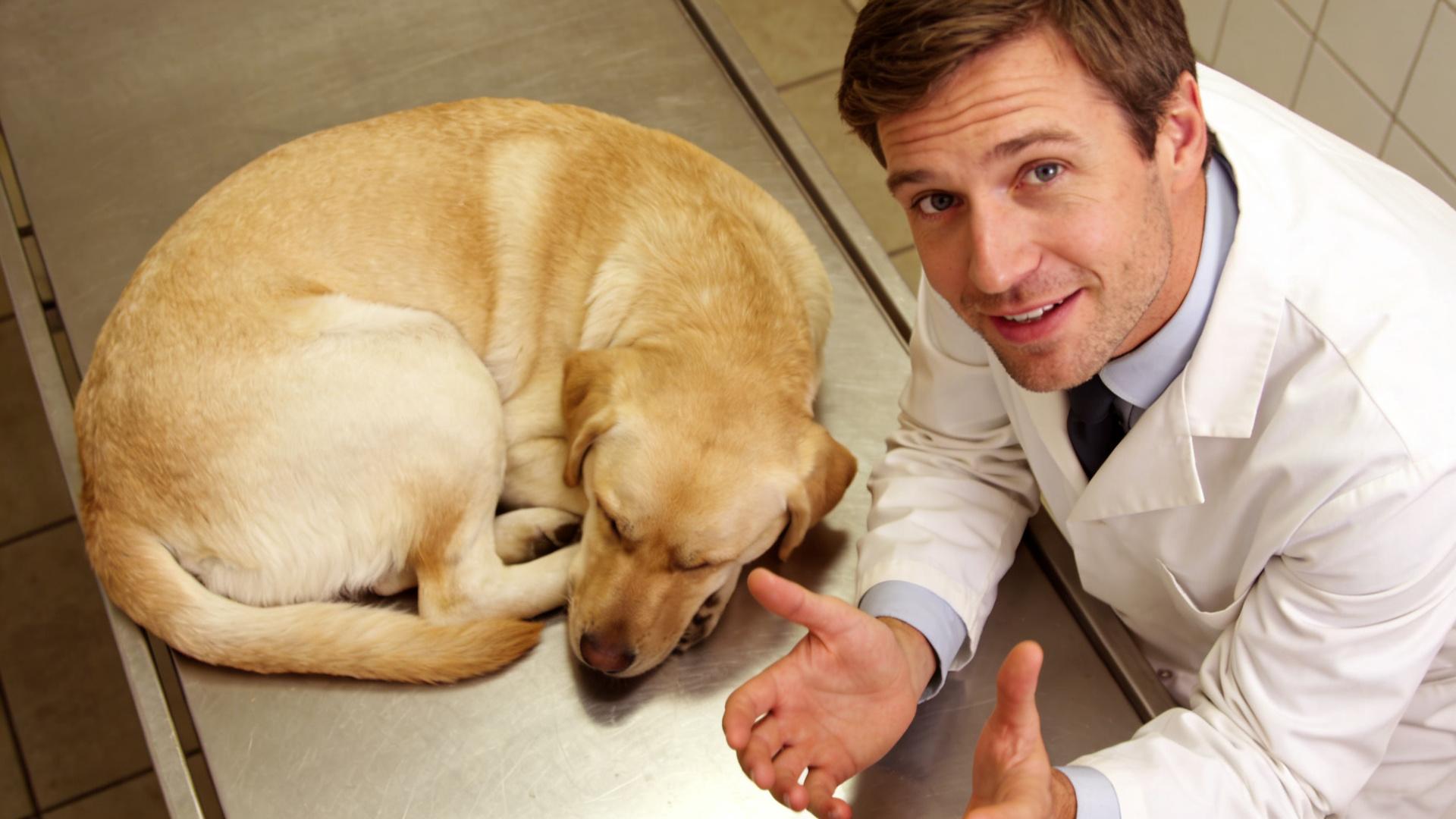
🐶 Understanding Dog Sleeping Positions and Bone Health: A Veterinarian’s Perspective
Dogs communicate volumes through their body language, even in slumber. Each favorite position is a clue to their physical state and highlights specific areas where pressure relief is paramount. Let's delve into the most common postures and their implications for bone and joint health.
The Side Sleeper: The Sign of Security
When your dog sleeps on their side with legs extended, it often indicates a deep sense of security and relaxation. This position allows for full extension of the limbs and spine, promoting muscle relaxation. However, without proper cushioning, this posture can create pressure points on the "down" side—specifically on the shoulder and hip joints. Over time, especially on hard surfaces, this can contribute to discomfort and uneven wear on these joints.
The Curled-Up (Donut) Position: Conserving Heat & Protection
This classic pose, with paws tucked in and tail wrapped around the body, is instinctual. It conserves body heat and protects the vital organs. While cozy, it places the spine in a curved position and can tuck the neck awkwardly. If the sleeping surface is too firm, this constant curvature can strain the vertebrae and neck muscles, potentially leading to stiffness, particularly in older dogs.
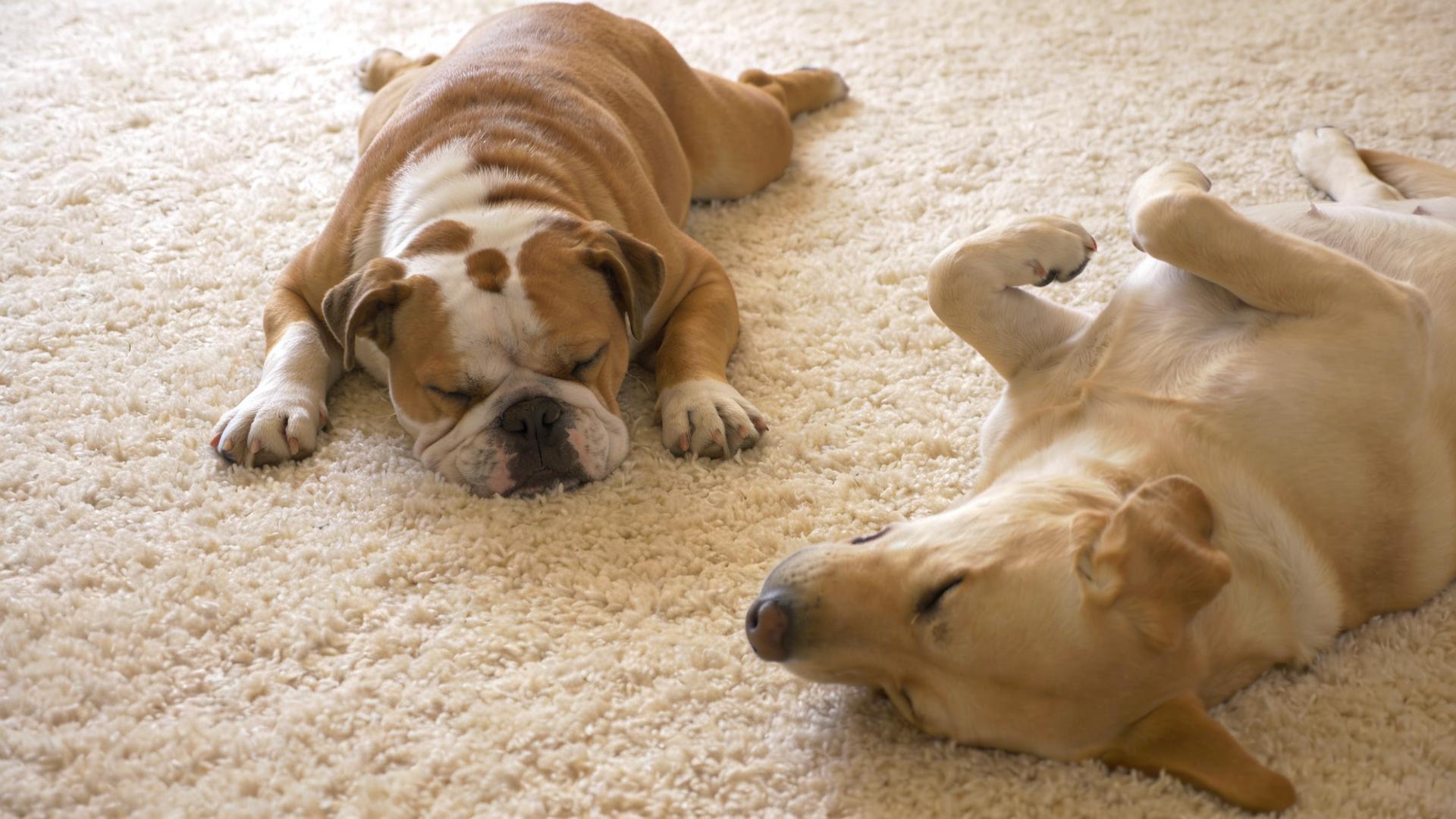
The Sprawled Belly Sleeper: Cooling Down
Dogs sleeping flat on their belly with legs splayed out front and back are often trying to cool down, as this position maximizes contact with a cooler surface. The challenge here is a lack of support for the abdominal region and an unnatural arch in the lumbar spine. This can lead to lower back pressure and offers minimal support for the hips and sternum.
The "Superdog" Back Sleeper: Ultimate Trust
Ah, the belly-up, legs-in-the-air pose! This is a true sign your dog feels utterly safe and comfortable in their environment. Special Reminder: While adorable, this position critically requires excellent lumbar support. The spine’s natural curvature must be maintained to prevent the lower back from straining or sagging into a harmful position. Proper support in this zone is crucial for long-term spinal health.
Each position underscores a simple truth: a flat, unsupported surface is an enemy to canine bone health. Pressure points on joints, spinal misalignment, and lack of cushioning for bony prominences (like elbows and hips) during sleep can silently contribute to degenerative issues.
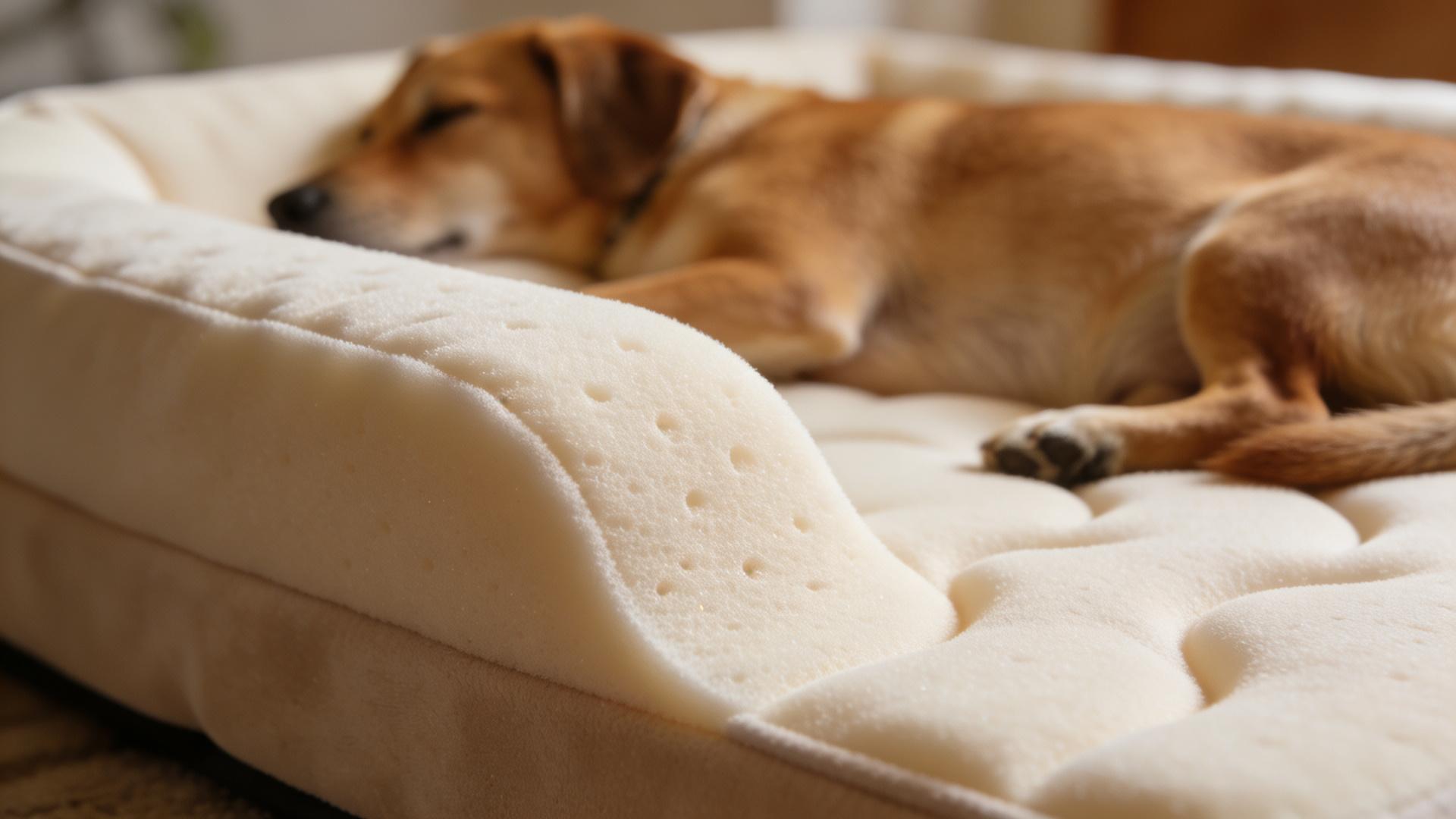
🛏️ The Science of Comfort: Why Memory Foam is a Game-Changer for Canine Support
Enter memory foam—a material originally developed by NASA and revolutionized for pet care. Its unique properties make it exceptionally suited for supporting canine bone health.
- Contouring & Even Weight Distribution: Unlike flat beds, memory foam reacts to heat and pressure, contouring precisely to your dog’s unique shape. This distributes body weight evenly across the surface, eliminating painful pressure points on hips, shoulders, and elbows.
- Spinal Alignment: A high-quality, supportive memory foam mattress provides consistent support along the entire spine, whether your dog is curled or stretched out. It helps maintain the spine's natural "S" curve, which is vital for preventing strain and disc issues.
- Pain Relief for Existing Conditions: For dogs suffering from osteoarthritis, hip dysplasia, or post-surgical recovery, a memory foam bed can provide significant pain alleviation. By cushioning joints and reducing pressure, it promotes better rest, which is when the body does its most intensive healing and tissue repair.
- Durability and Support: High-density memory foam doesn't just squish down; it provides a supportive push-back that cradles without collapsing. This "orthopedic" support is what differentiates a true therapeutic bed from a simply soft one.
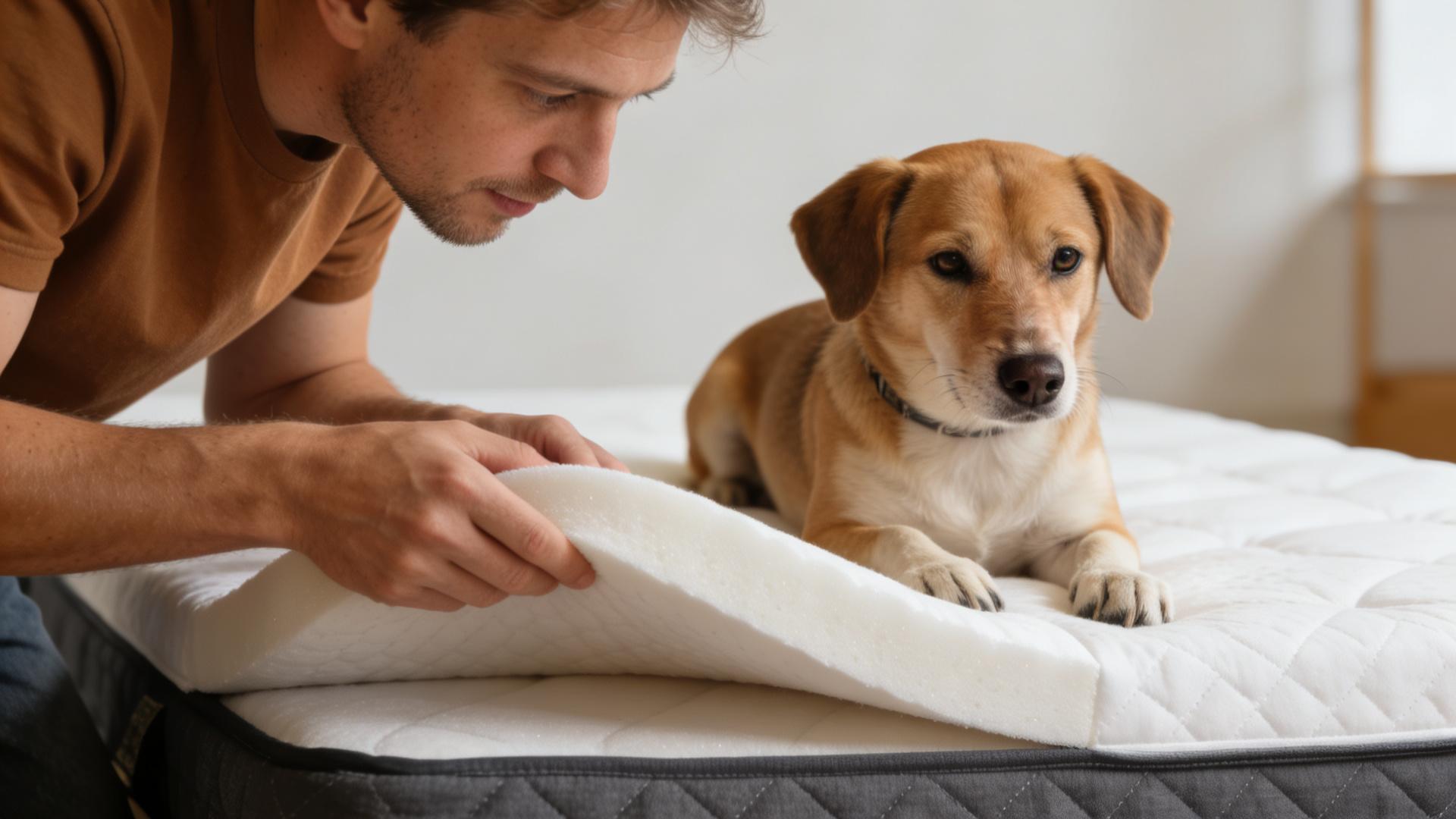
🔍 How to Choose a Memory Foam Mattress with Proper Support: A Step-by-Step Guide
Not all memory foam dog beds are created equal. Making an informed choice requires looking beyond marketing claims. Here’s your detailed checklist for selecting the perfect supportive mattress.
1. Density and Thickness: The Foundation of Support
Density is the single most important factor. It's measured in pounds per cubic foot (PCF). For genuine orthopedic support, look for memory foam with a density of at least 3 PCF or higher. Lower-density foam will flatten quickly, offering little long-term benefit. Thickness is equally crucial. A mattress should be thick enough so your dog’s weight doesn’t cause them to "bottom out" and feel the floor. For medium to large breeds, a minimum of 4-5 inches of solid memory foam is recommended.
2. Size and Shape: Room to Thrive
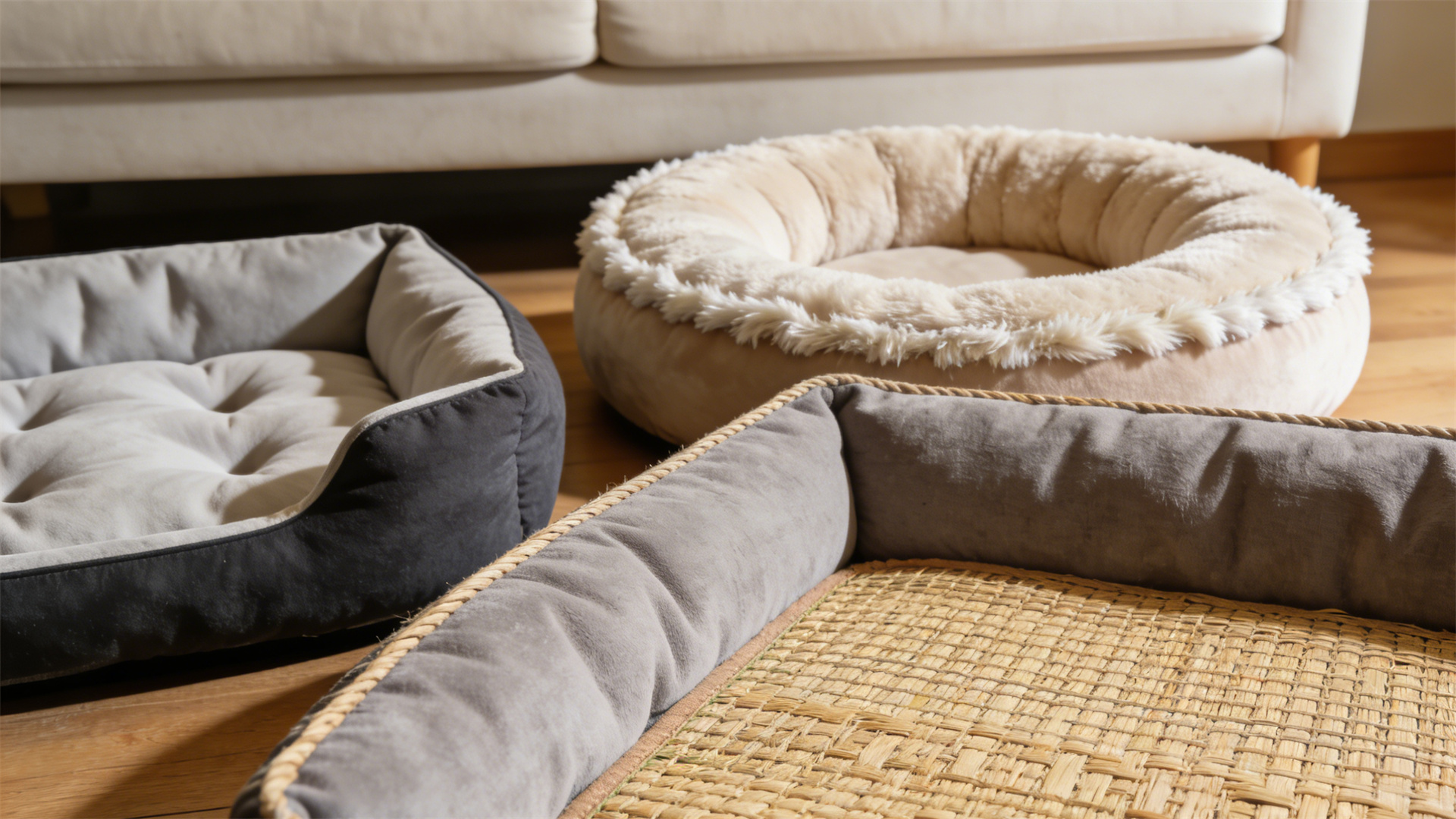
The bed must accommodate your dog’s preferred sleeping position. Measure your dog from nose to tail when stretched out and add 6-12 inches. They should be able to sleep in any position without hanging off the edges. Consider bolster beds for head-proppers, but ensure the central sleeping area is flat, supportive memory foam.
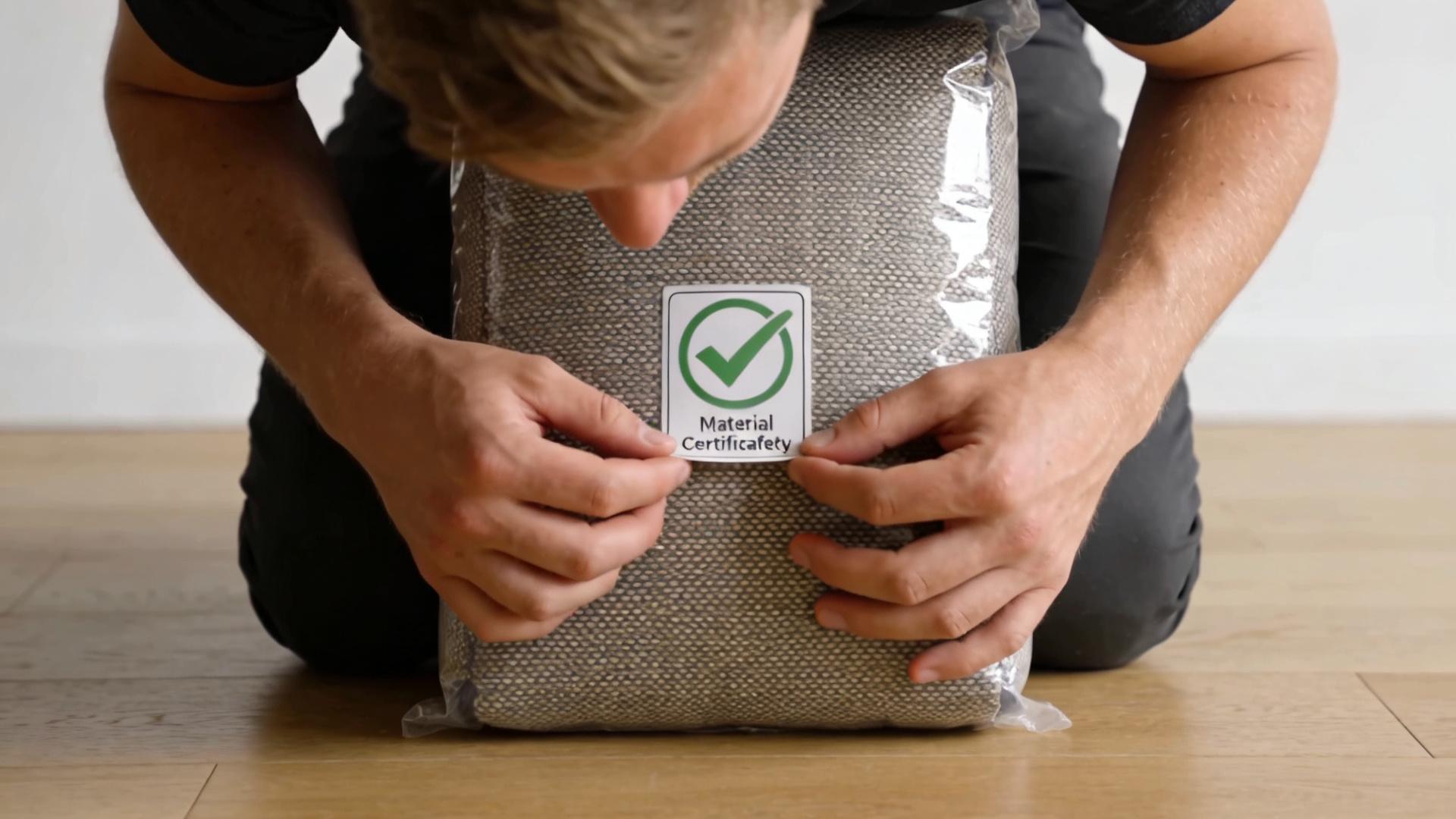
3. Safety and Materials: Non-Toxic is Non-Negotiable
Dogs explore with their mouths. Ensure the memory foam is certified by CertiPUR-US® or similar standards, guaranteeing it is made without harmful chemicals like formaldehyde, PBDEs, or heavy metals. The cover should be made from a non-toxic, durable fabric.
4. Cleanability: Hygiene for Health
A removable, machine-washable cover is essential. It allows for easy cleaning of dirt, dander, and accidents, maintaining a hygienic environment that supports overall health. Waterproof liners are a bonus for puppies or incontinent seniors.
5. Age and Health Considerations: Tailoring the Choice
Senior dogs or those with severe joint issues may benefit from a layered approach: a firm, high-density support base topped with a softer, conforming memory foam layer. This combines stability with plush comfort. Always factor in your dog's specific condition—a dog with severe arthritis will have different needs than a young, active dog prone to dysplasia.
Pro Tip: Don't skip the vet consult! Your veterinarian can provide personalized advice based on your dog’s breed, age, weight, and existing bone health profile. Reading detailed customer reviews, especially from owners with similar breeds or conditions, is also invaluable.

💤 Conclusion: Investing in Restful, Supportive Sleep
Paying close attention to your dog's sleeping position is a profound act of love and a proactive step toward safeguarding their long-term bone health and mobility. A quality memory foam mattress is not merely a luxury; it's a therapeutic tool that provides the proper support their body craves during the many hours dedicated to rest and recovery.
By prioritizing high-density foam, correct sizing, non-toxic materials, and easy cleaning, you are making a direct investment in your companion’s comfort, health, and happiness. Remember, a well-supported dog is a more vibrant, active, and joyful companion. Give them the gift of restorative sleep—their body (and their grateful, wagging tail) will thank you for years to come.